- Home
- About
-
Products
Products
——
-
Interior/Exterior Wall Coatings
-
Floor paint
-
Anti-graffiti paint
-
Radon-proof paint
-
Bridge-specific coating

-
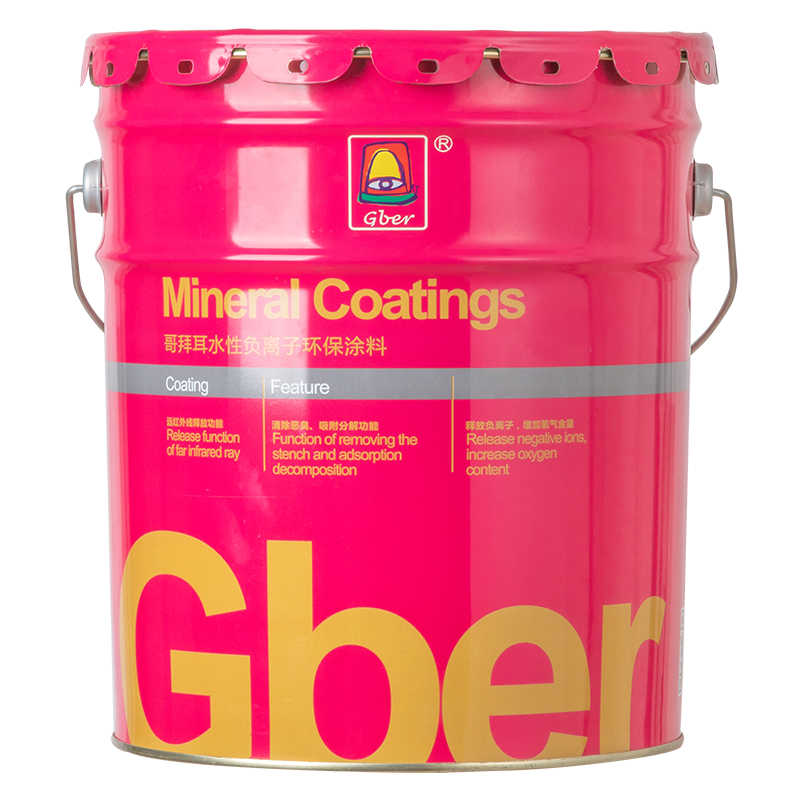
Environmentally friendly negative ion paint
-
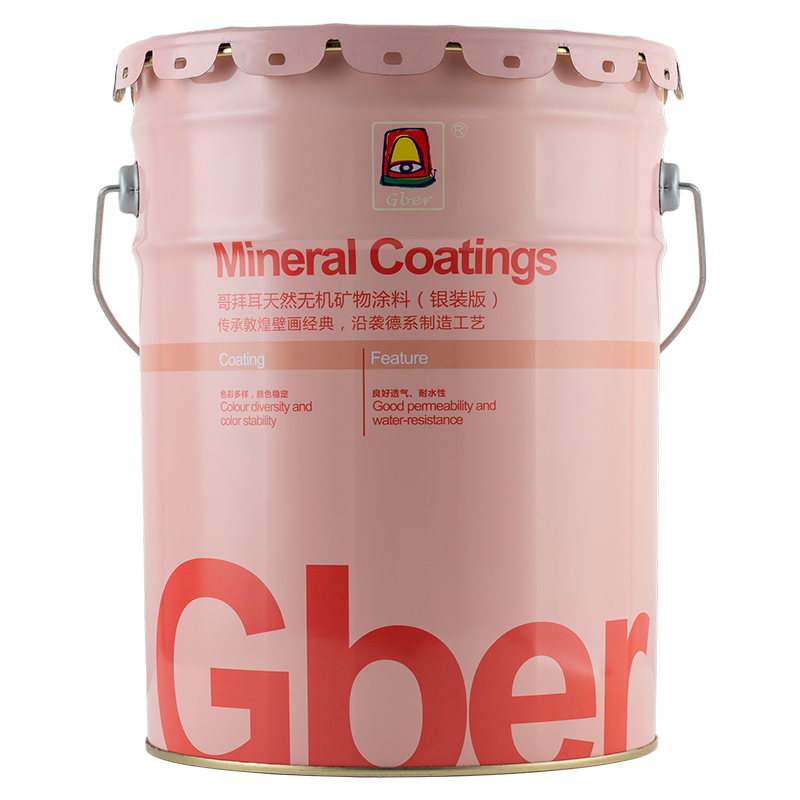
Antibacterial coating
-
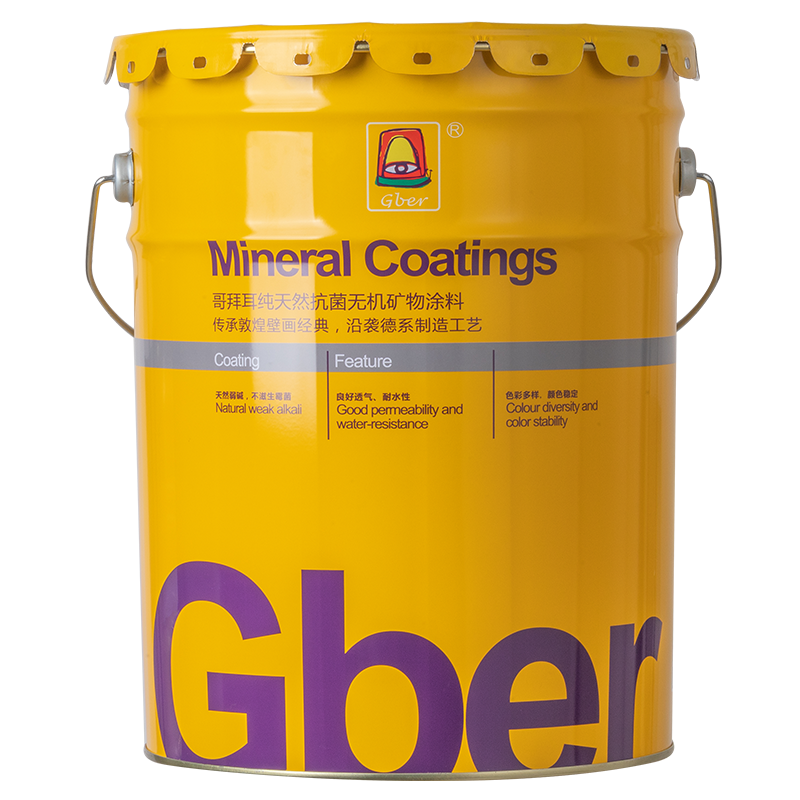
Heat insulation, anticorrosion and antibacterial coating
-
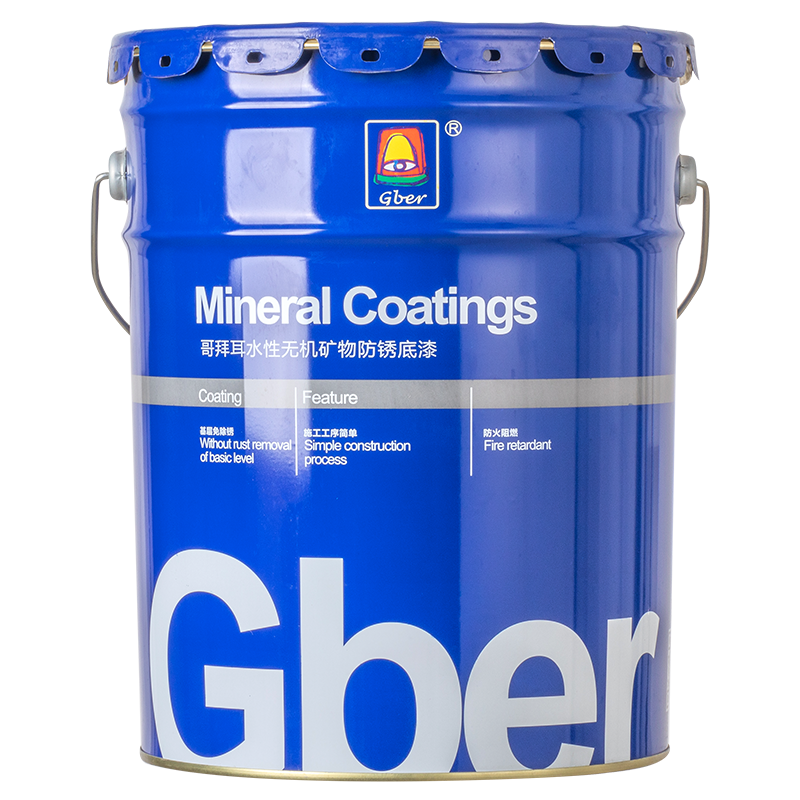
Inorganic water-based industrial anti-rust coating
-
Inorganic zinc silicate one-component coating

-
Superhydrophobic anti-icing coating
-
Concrete sealing and hardening agent
-
- Cases
-
Blog
Blog
——
- Contact




How to determine if inorganic coatings need to be re-maintained
Category: Company News
Published Time: 2025-05-15
Summary: Determining whether inorganic coatings require re-maintenance should be comprehensively evaluated from three dimensions: coating appearance, performance indicators, and environmental load.
To determine whether inorganic coatings require re-maintenance, a comprehensive assessment must be conducted from three dimensions: coating appearance, performance indicators, and environmental load. The following are specific judgment methods and operation guidelines to help identify potential problems and provide targeted maintenance in a timely manner:
I. Appearance Inspection: Rapid Identification of Surface Damage
1. Basic Visual Inspection (Weekly/Monthly Routine Inspection)
Key Observation Areas:
Exterior window sills, eaves, and corners, etc., which are easily affected by rainwater;
Interior kitchen areas with oil fumes, corridor handrails at heights (0.8-1.2m), etc., which are frequently touched.
Key Judgment Indicators:
| Phenomenon | Severity | Potential Problems | Maintenance Required |
|---|---|---|---|
| Obvious accumulation of surface dust | ★☆☆ | Affects aesthetics, does not damage the coating | Clean immediately |
| Slight chalking (a small amount of powder when lightly wiped with a finger) | ★★☆ | Surface mineral bonds begin to break | Maintenance within 1 month |
| Local discoloration (yellowing/blooming) | ★★☆ | Pigment oxidation or pollution penetration | Handle within 2 weeks |
| Cracks (width < 0.3mm) | ★★★ | Coating shrinkage or substrate deformation | Urgent repair |
| Flaking (substrate exposed) | ★★★★ | Adhesion failure, improper substrate treatment | Complete rework required |
2. Water Stains and Pollution Residue Detection (重点检查 after rainy season/pollution season)
Water Repellency Test:
Spray a small amount of water on the wall with a spray bottle and observe the shape of the water droplets:
Healthy state: Water droplets are round and granular (contact angle > 90°), and there are no residual water marks after rolling;
Maintenance required: Water droplets spread into a sheet-like shape (contact angle < 60°), leaving water stains after drying, indicating that the surface protective layer has failed.
Industrial pollutant adhesion:
Wipe the wall with a white tissue. If the tissue turns yellow or has black particles, it indicates that acidic deposits or oily pollutants have penetrated and need to be treated with a special cleaning agent.
II. Performance Quantification Test: Scientific Assessment of Intrinsic Strength
1. Simple Wash Resistance Test (every 1-2 years)
Tools and materials: Soft brush (boar bristle), neutral detergent (5g/L solution), stopwatch.
Operating steps:
Select a 20cm×20cm area on the wall and mark it as the test area;
Dip the brush in the detergent solution and scrub back and forth at a frequency of once per second (pressure approximately 0.5kg);
Continue scrubbing until the substrate is exposed or the bottom is visible, and record the number of scrubs:
High-quality inorganic coatings: New coatings should be >5000 times, and after maintenance, they should be >3000 times;
If <1000 times, the bottom is exposed, and coating reinforcement (such as spraying a surface coating agent) should be carried out immediately.
2. Adhesion Pull-off Test (professional testing, every 3-5 years)
Applicable scenarios: Large-scale projects, high-rise exterior walls, and other safety-sensitive areas.
Operating method:
Use epoxy glue to stick a 50mm diameter metal pull-off head to the coating surface and cure for 24 hours;
Use a pull-off instrument to apply vertical force at a uniform speed and record the peak load when the coating is damaged:
合格标准: Pull-off strength ≥1.0MPa (C30 concrete substrate);
If <0.5MPa, it indicates that the bonding force between the coating and the substrate has decreased, and the substrate needs to be re-treated and the primer needs to be re-applied.
3. Permeability Test (must be checked in high-humidity environments)
Principle: The permeability (water vapor transmission rate) of inorganic coatings is the key to maintaining the dryness of the wall. If it is blocked, it may cause internal condensation.
Simple method:
Stick a 10cm×10cm piece of transparent tape to the wall and seal the edges;
Observe the inside of the tape after 24 hours:
No condensation: Good permeability;
Small water droplets: Indicates that the micropores of the coating are blocked by oil or dust, and need to be cleaned with high-pressure air (0.2MPa) or lightly polished.
III. Environmental Load Assessment: Predicting Potential Risks
1. Climate Conditions Trigger Maintenance (According to Regional Characteristics)
High temperature and high humidity areas (such as South China):
Before the typhoon season (May-October) each year, if more than 3 mildew spots (diameter >5cm) appear continuously on the wall, preemptive mildew prevention treatment (spraying nano titanium dioxide solution) is required.
Severe cold regions (such as Northeast China):
Before winter, check the wall for any micro-freeze-thaw cracks (caused by water absorption and ice expansion in winter). If the crack density is >5 per square meter, fill them with elastic inorganic repair agent after spring.
Industrial pollution areas (such as chemical industrial parks):
When the Air Quality Index (AQI) is continuously >200 for 3 days, the wall should be cleaned with a weakly alkaline solution (pH=8-9) within 3 days after the pollution event to prevent acidic substances from corroding the coating.
2. Maintenance triggered by frequency of use (according to space function)
Commercial places (shopping malls, schools):
In high-frequency contact areas such as corridors and stairwells, if **>10 stains** (such as handprints and shoe prints) appear per square meter, even if there is no obvious damage to the appearance, it is recommended to perform protective spraying (thin coating of inorganic glazing paint) every quarter.
Residential kitchens/bathrooms:
If a total of **>5 stubborn oil stains** (unremovable with detergent) are found on the wall, apply an oil-repellent silicone coating (surface energy <20mN/m) after cleaning to extend the cleaning cycle.
IV. Trigger Signals for Different Maintenance Cycles
| Maintenance Type | Trigger Signal | Optimal Implementation Time |
|---|---|---|
| Daily Cleaning | Dust accumulation, light stains (such as handprints, coffee stains) | Within 24 hours of discovery |
| Protective Maintenance | Slight powdering, decreased water repellency (water droplet contact angle <70°), high-frequency contact area wear and shine | Spring (May-June) or Autumn (September-October) |
| Repair Maintenance | Cracks (width 0.1-0.5mm), local peeling, obvious color difference | When cracks no longer develop (such as non-rainy season) |
| Complete Renovation | Large-area peeling (>30% of the wall), tensile strength <0.5MPa, severe weathering of the substrate | Construction immediately after removing the old coating |
V. Key Points for Judging Special Scenarios
1. Old building renovation projects
If the original inorganic coating has been used for more than 15 years and dense small cracks (spacing <2cm) appear on the surface, even if there is no peeling, it is recommended to perform overall surface treatment (spraying a 50μm thick silicone-modified coating) instead of local repair to avoid secondary damage caused by differences in the performance of the new and old coatings.
2. Cultural relic protection buildings
Use micro-damage detection technology: Scan the wall with an infrared thermal imager. If abnormal hot spots (temperature difference >2℃) are found, there may be hollowing or efflorescence inside, and immediate non-destructive repair (such as injecting potassium silicate penetration reinforcement agent) is required. Conventional grinding or chemical cleaning is prohibited.
Keywords: How to determine if inorganic coatings need to be re-maintained
Related Information
Company News
-
Construction process of radon-proof coating
Time:2025-05-15
-
Reaction principle of inorganic coatings
Time:2025-05-15
-
How to determine if inorganic coatings need to be re-maintained
Time:2025-05-15
-
How to properly use and maintain inorganic coatings to maximize their scrubbability?
Time:2025-05-15
-
Characteristics of inorganic coatings
Time:2025-05-15
-
CCTV's "Science and Technology Lights" program featured a special report on the bidder's water-based inorganic mineral coating products
Time:2025-05-15
-
Attended the drafting meeting for the industry standard of building products in the construction industry: Exterior Inorganic Architectural Coatings
Time:2025-05-15
-
Made a provincial standard report on inorganic interior wall coatings at the Guangdong Provincial Technical Supervision Bureau
Time:2025-05-15
Industry News
-
How is the breathability of inorganic coatings?
Time:2025-05-15
-
What are the advantages and disadvantages of traditional latex paint and inorganic coatings?
Time:2025-05-15
-
Will the scrub resistance of inorganic coatings decrease over time?
Time:2025-05-15
-
Inorganic coatings generally exhibit better scrub resistance than traditional latex paints
Time:2025-05-15
-
Typical application scenarios of inorganic coatings
Time:2025-05-15
Let us help you
Company Address: No. 1-2-802, Federal Fortune Center, No. 18, Wuke East Fourth Road, Chengdu, Sichuan Province
Factory Address: No. 20, A Area, No. 555, Boshi Road, Shou'an Town, Pujiang County, Chengdu, Sichuan Province
Copyright © 2025 Gber Coatings Co., Ltd. All Rights Reserved. Power By:300.cn · [ Privacy Policy ]


