- Home
- About
-
Products
Products
——
-
Interior/Exterior Wall Coatings
-
Floor paint
-
Anti-graffiti paint
-
Radon-proof paint
-
Bridge-specific coating

-
Environmentally friendly negative ion paint
-
Antibacterial coating
-
Heat insulation, anticorrosion and antibacterial coating
-
Inorganic water-based industrial anti-rust coating
-
Inorganic zinc silicate one-component coating

-
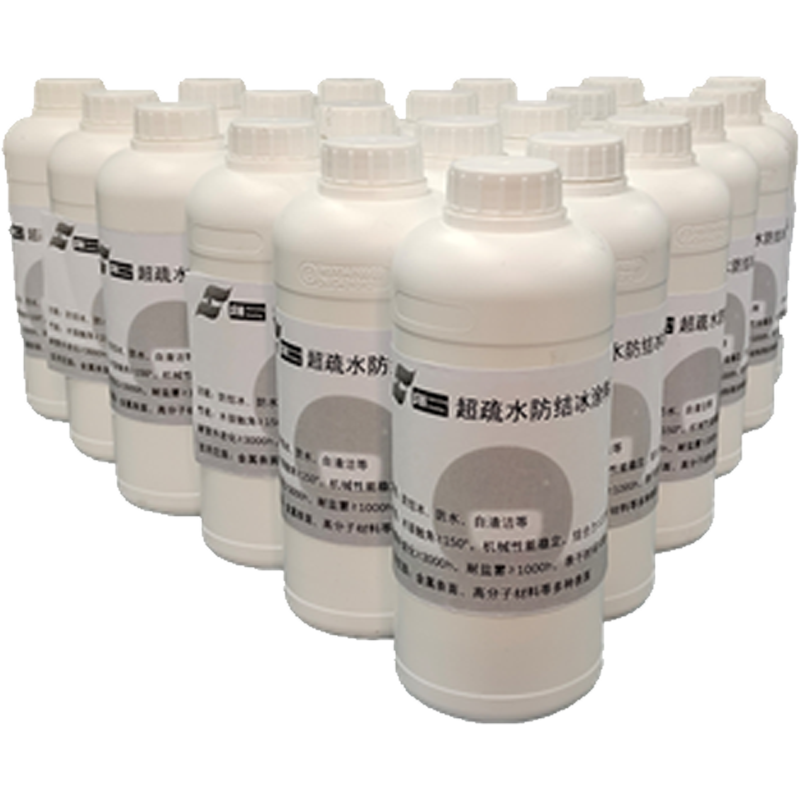
Superhydrophobic anti-icing coating
-
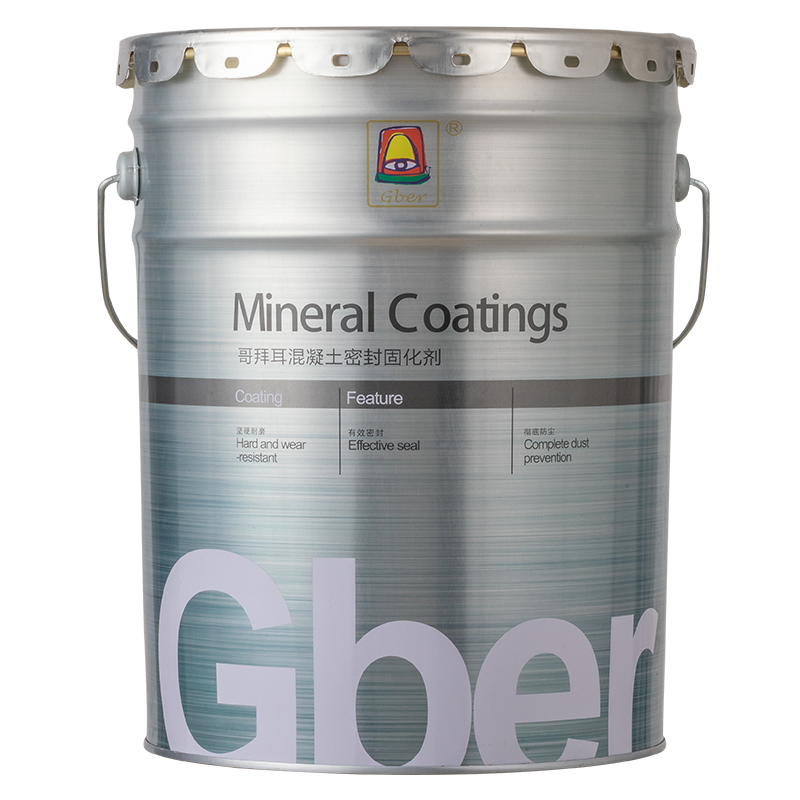
Concrete sealing and hardening agent
-
- Cases
-
Blog
Blog
——
- Contact




Construction process of radon-proof coating
Category: Company News
Published Time: 2025-05-15
Summary: The construction process of radon-proof coatings directly affects their radon-blocking effect and durability and must strictly follow standardized procedures
The construction process of radon-proof coatings directly affects their radon-blocking effectiveness and durability and must strictly follow standardized procedures. The following are detailed construction process key points, explained step-by-step in combination with different application scenarios (new buildings, renovations of existing buildings):
I. Pre-construction Preparation
1. List of Materials and Tools
| Category | Specific Items |
|---|---|
| Coating Materials | Radon-proof coating (topcoat), matching primer (such as epoxy resin primer), sealant (silicone or polyurethane sealant), fiberglass mesh |
| Substrate Treatment Tools | Grinder/sandpaper, broom/vacuum cleaner, scraper, putty knife, repair mortar (cement-based or polymer putty) |
| Coating Tools | Roller, brush, air spraying equipment (optional), tray, stirrer |
| Testing Tools | Radon detector (before and after construction comparison), hygrometer (detecting substrate moisture content), film thickness gauge (measuring coating thickness) |
2. Substrate Condition Requirements
Dryness: Concrete/brick substrate moisture content ≤8% (detected by hygrometer), avoid moisture causing coating blistering and peeling.
Solidity: Remove loose layers, laitance, and oil stains. If the substrate is hollow, it needs to be removed and repaired.
Flatness: Surface flatness error ≤3mm/2m, cracks with a width >0.3mm need to be filled with repair mortar first.
II. Construction Process and Technical Key Points
(I) Construction Process for New Buildings (Taking Concrete Walls as an Example)
1. Substrate Treatment
Clean the surface: Use a broom and vacuum cleaner to remove dust and residual release agents. Wipe oil stains with alcohol or a special cleaning agent.
Repair Defects:
Honeycomb surface: Fill with 1:2.5 cement mortar or polymer putty, and grind smooth after drying.
Construction joints/cracks: Excavate a V-shaped groove (width-depth ratio 2:1) along the seam, fill it with sealant, and then cover it with fiberglass mesh (to enhance crack resistance).
2. Primer Application
Function: Seal substrate pores and enhance the adhesion of the radon-proof coating.
Operating points:
Apply the matching primer evenly using a roller or spraying method, with a dosage of about 0.15-0.2kg/m².
Drying time: Dry for 4-6 hours at room temperature (25℃), ensuring complete curing before applying the topcoat.
3. Radon-proof Coating Application
Number of coats: Usually 2-3 coats are required, with each coat applied in a perpendicular cross direction (e.g., the first coat horizontally, the second coat vertically) to ensure no omissions.
Coating amount: The amount per coat is about 0.2-0.3kg/m², and the final dry film thickness ≥100μm (detected by film thickness gauge).
Construction skills:
For easy-to-miss areas such as corners and pipe wall penetrations, first use a brush for "pre-coating", then roll-coat the large area.
When using air spraying, control the spray gun pressure at 0.3-0.5MPa, keep the nozzle 30-40cm away from the substrate, and move at a uniform speed.
4. Joint and Node Treatment
Corners: Paste 50mm wide fiberglass mesh, cover with radon-proof coating to enhance crack resistance.
Ground and wall joints: First fill the gaps with sealant, then brush the coating to form a continuous film layer.
Pipe interfaces: Make a 50mm radius arc chamfer around the pipe root, seal with sealant, and add a circular fiberglass mesh (diameter ≥200mm).
5. Maintenance and Acceptance
Maintenance time: Cure for 7 days at room temperature, avoiding water flushing, impact, or other construction pollution during this period.
Acceptance standard:
Appearance: The coating is free of bubbles, sagging, and cracking, with a uniform and dense surface.
Performance: After 7 days of construction, use a radon detector to compare the concentration, and the blocking efficiency is required to be ≥30% (refer to GB/T 16147).
(II) Renovation Construction Process for Existing Buildings
1. Original Coating Treatment
Old coating hollowing/peeling: Completely remove to the solid substrate, and use a bonding agent (such as cement-based bonding agent) to enhance the bonding force between the new and old layers.
Intact old coating: Grind the surface to roughness (roughness ≥60μm), remove dust, and then apply primer directly.
2. Key Reinforcement Areas
Basement floor: If the original floor is tiled, the tiles need to be removed and the adhesive cleaned, and the concrete substrate exposed before construction according to the new construction process.
Autoclaved aerated concrete wall: Due to its high porosity, the primer should choose a penetrating type (such as silane-modified primer) to increase the sealing effect.
3. Ventilation Cooperation
Keep the room well-ventilated during construction to accelerate paint drying; after construction, it is recommended to keep the mechanical ventilation system (such as a new air system) running for a long time to improve the overall radon prevention effect.
III. Construction Points for Special Scenarios
1. Humid Environments (such as basements)
Moisture-proof pretreatment: First, treat the base layer with cement-based penetrating crystalline waterproof coating (CCCW) to reduce moisture penetration, then apply radon-proof coating.
Coating waterproof enhancement: Add 10% waterproof agent (such as silicone waterproof agent) to the last coat of radon-proof coating to improve water resistance.
2. High-temperature Environments (such as kitchens)
Select weather-resistant coatings: Prioritize silicone丙 resin or fluorocarbon resin-based radon-proof coatings for better aging resistance.
Joint treatment: Use high-temperature resistant sealant (such as silicone weather-resistant sealant) at the joints between walls and ceilings.
IV. Construction Precautions
Environmental Conditions
Construction temperature: 5-35℃, relative humidity ≤85%, avoid working during rainy days or high-temperature exposure.
Winter construction: Antifreeze can be added (according to the paint manufacturer's recommended ratio), extending the drying time to 8-12 hours/coat.
Safety Protection
Wear masks and gloves to avoid skin contact with paint; when using solvent-based paints, ensure good ventilation to prevent VOC inhalation.
Waste paint and packaging materials should be sorted and disposed of; they should not be dumped indiscriminately.
Key to Maintaining Effectiveness
Regularly check the integrity of the coating, and repair any cracks or peeling promptly (repair steps are the same as new construction).
Retest the concentration with a radon detector every 2-3 years. If the barrier efficiency drops by more than 20%, recoating is required.
V. Common Construction Problems and Solutions
| Problem | Cause | Solution |
|---|---|---|
| Coating blistering | Excessive moisture content in the substrate or primer not fully dry | Extend drying time; if moisture content >8%, the substrate needs to be dried. |
| Poor adhesion | Substrate not thoroughly cleaned or incorrect primer selection | Re-sand and clean, replace with a matching primer |
| Insufficient radon barrier efficiency | Uneven coating thickness or omission | Recoat to the specified film thickness, focusing on checking joints |
Keywords: Construction process of radon-proof coating
Related Information
Company News
-
Construction process of radon-proof coating
Time:2025-05-15
-
Reaction principle of inorganic coatings
Time:2025-05-15
-
How to determine if inorganic coatings need to be re-maintained
Time:2025-05-15
-
How to properly use and maintain inorganic coatings to maximize their scrubbability?
Time:2025-05-15
-
Characteristics of inorganic coatings
Time:2025-05-15
-
CCTV's "Science and Technology Lights" program featured a special report on the bidder's water-based inorganic mineral coating products
Time:2025-05-15
-
Attended the drafting meeting for the industry standard of building products in the construction industry: Exterior Inorganic Architectural Coatings
Time:2025-05-15
-
Made a provincial standard report on inorganic interior wall coatings at the Guangdong Provincial Technical Supervision Bureau
Time:2025-05-15
Industry News
-
How is the breathability of inorganic coatings?
Time:2025-05-15
-
What are the advantages and disadvantages of traditional latex paint and inorganic coatings?
Time:2025-05-15
-
Will the scrub resistance of inorganic coatings decrease over time?
Time:2025-05-15
-
Inorganic coatings generally exhibit better scrub resistance than traditional latex paints
Time:2025-05-15
-
Typical application scenarios of inorganic coatings
Time:2025-05-15
Previous: No more!
Let us help you
Company Address: No. 1-2-802, Federal Fortune Center, No. 18, Wuke East Fourth Road, Chengdu, Sichuan Province
Factory Address: No. 20, A Area, No. 555, Boshi Road, Shou'an Town, Pujiang County, Chengdu, Sichuan Province
Copyright © 2025 Gber Coatings Co., Ltd. All Rights Reserved. Power By:300.cn · [ Privacy Policy ]


