- Home
- About
-
Products
Products
——
-
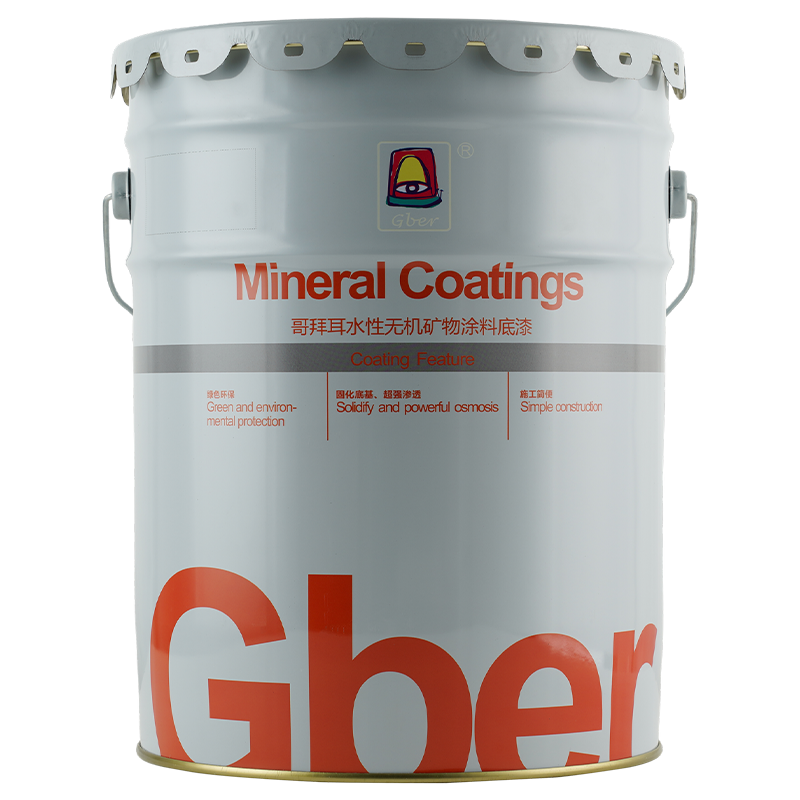
Interior/Exterior Wall Coatings
-
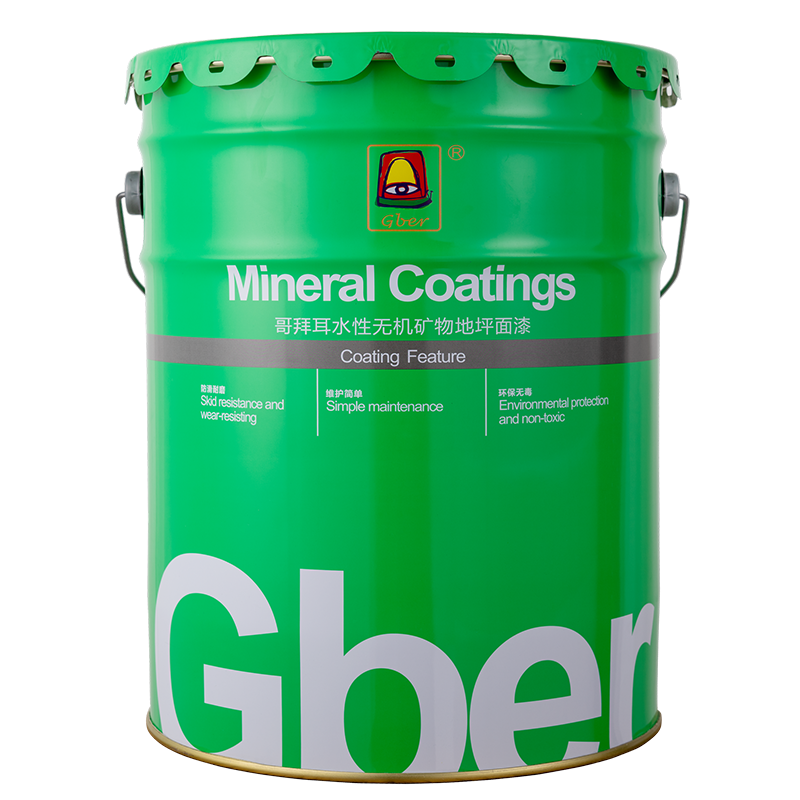
Floor paint
-
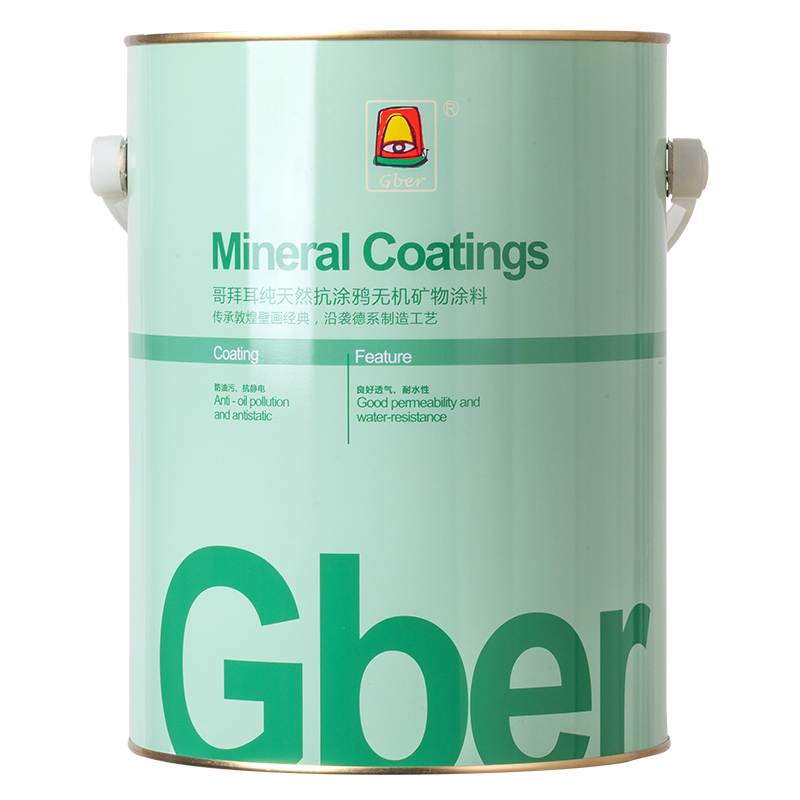
Anti-graffiti paint
-
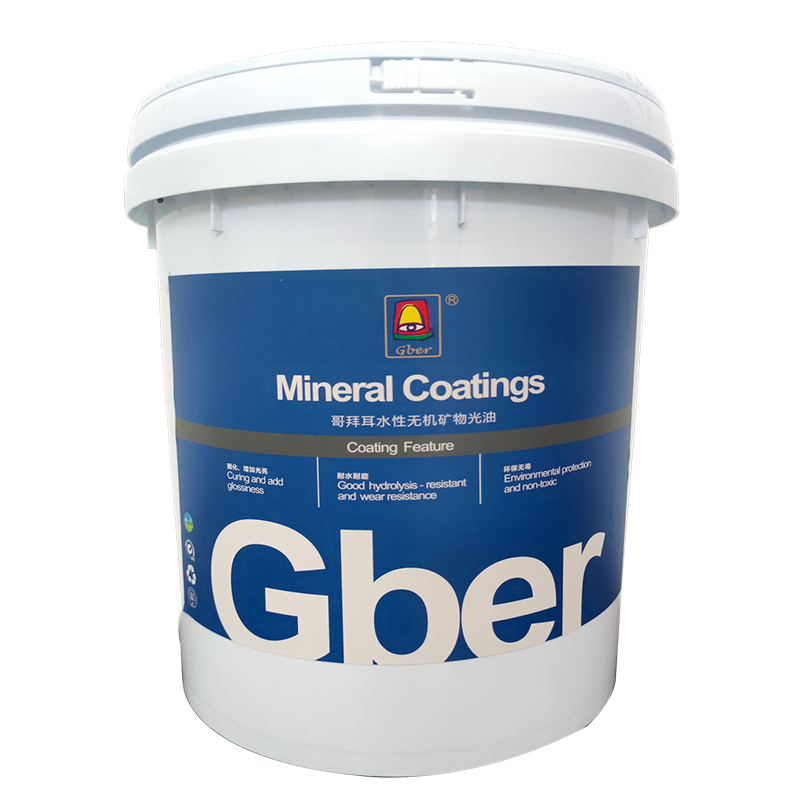
Radon-proof paint
-
Bridge-specific coating

-
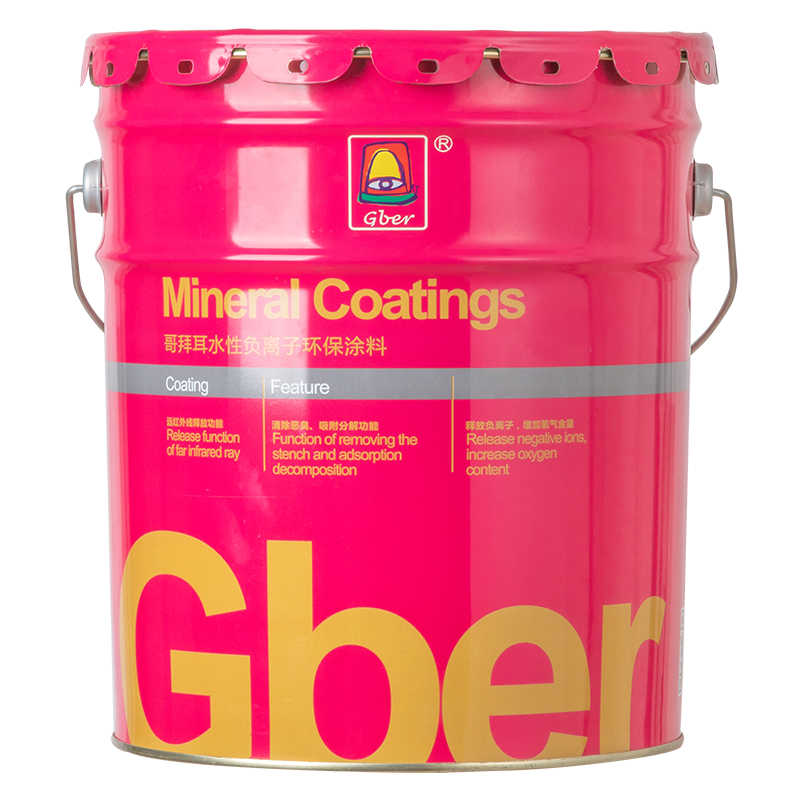
Environmentally friendly negative ion paint
-
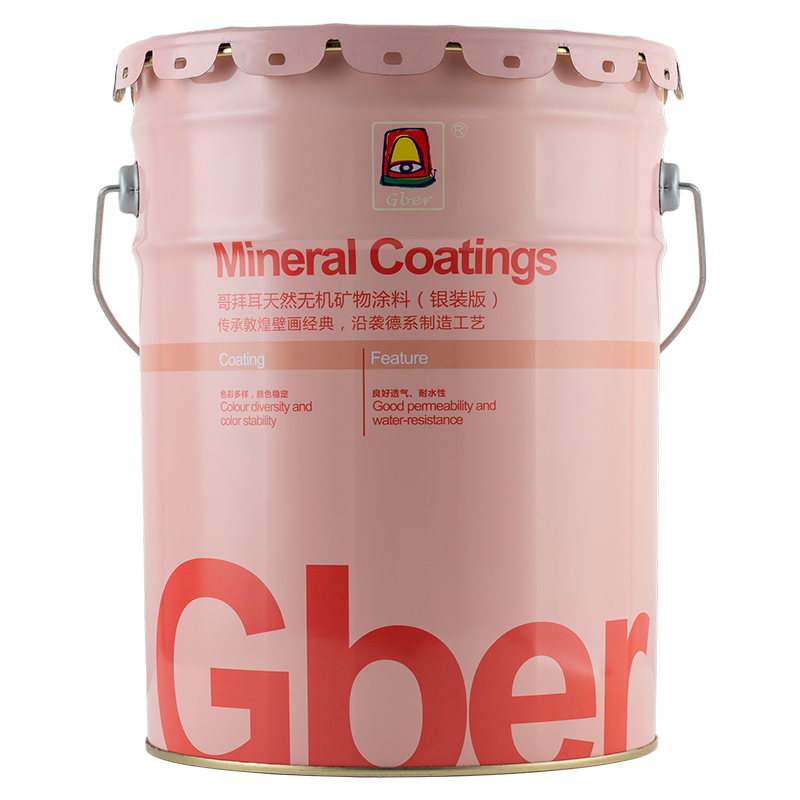
Antibacterial coating
-
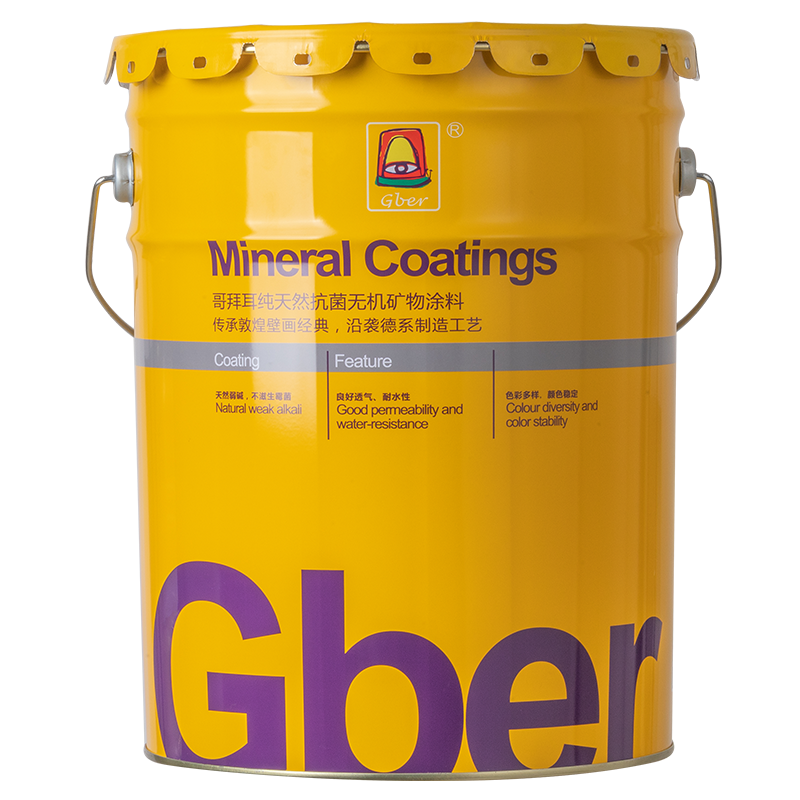
Heat insulation, anticorrosion and antibacterial coating
-
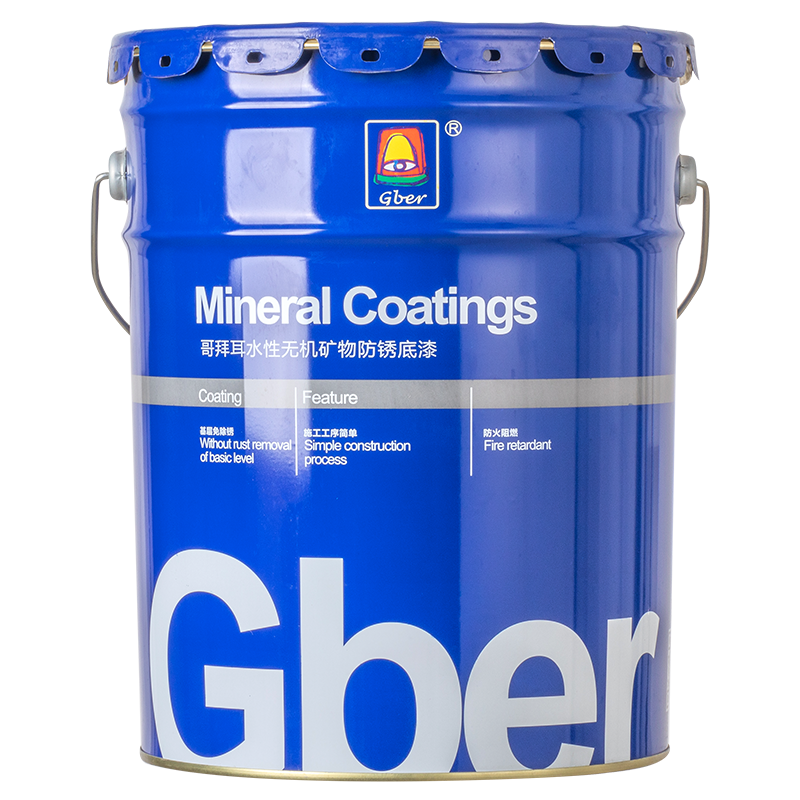
Inorganic water-based industrial anti-rust coating
-
Inorganic zinc silicate one-component coating

-
Superhydrophobic anti-icing coating
-
Concrete sealing and hardening agent
-
- Cases
-
Blog
Blog
——
- Contact




How to properly use and maintain inorganic coatings to maximize their scrubbability?
Category: Company News
Published Time: 2025-05-15
Summary: The core of maintaining the scrub resistance of inorganic coatings lies in respecting the characteristics of their mineral materials: avoiding erosion by organic chemicals, reducing physical wear and tear, and using complementary protective products to strengthen weak links.
Proper use and maintenance of inorganic coatings should start from three aspects: cleaning standards, protective measures, and environmental adaptability, giving full play to the advantages of the chemical stability of its mineral coatings. The following is a specific guide:
I. Daily Cleaning: Avoid Chemical Corrosion and Physical Damage
1. Detergent Selection: Adhere to Neutral Principles
Prohibited: Strong acids/strong alkalis:
Recommended: pH=7-9 neutral detergents (such as neutral dishwashing liquid, special wall cleaners), dilution ratio 1:100 (detergent: water).
Prohibited: Toilet bowl cleaner (containing hydrochloric acid), 84 disinfectant (containing sodium hypochlorite), caustic soda, and other strongly corrosive reagents, which may dissolve the mineral crystals of the coating.
Special Stain Treatment:
Oil stains/ink stains: Gently wipe with a soft cloth dipped in alcohol (75% medical ethanol), then wipe with clean water, avoiding repeated rubbing.
Mildew stains: In high-humidity areas (such as bathrooms), a 3% hydrogen peroxide solution (medical hydrogen peroxide) can be applied, rinsed with clean water after 5 minutes (only applicable to potassium silicate inorganic coatings, avoid using on phosphate-based coatings).
2. Cleaning Tools: Gentle Approach
Preferred tools:
Soft sponge, microfiber cloth, wool duster, combined with a low-pressure water gun (water pressure ≤0.3MPa, distance from the wall ≥50cm) to rinse off dust.
Prohibited tools:
Steel wool, hard-bristled brushes, and sharp tools such as scrapers, which may scratch the coating surface; high-pressure water guns (water pressure >0.5MPa) may cause hollowing between the coating and the substrate.
3. Cleaning Frequency: Moderate is Sufficient
Walls: Use a dry cloth or duster to remove dust daily, wet wipe once a month; kitchen, corridor and other easily soiled areas once every 2 weeks.
Floor (inorganic coating floor): Remove dust daily with a dustpan, and mop with neutral detergent weekly, avoiding waterlogging (especially silicate coatings, long-term water immersion may cause slow hydrolysis).
II. Periodic Protection: Proactively Slow Down the Aging Process
1. UV Protection for Exterior Walls (Once a Year)
Coating Inspection: Focus on observing areas easily affected by rainwater, such as windowsills and eaves. If slight powdering is found (fine powder when lightly wiped with fingers), an inorganic silicone oxygen siloxane topcoat (water-based, containing nano-silicon dioxide) can be directly sprayed to form a 0.1-0.3mm thick water-repellent protective layer, enhancing UV resistance.
Color Difference Repair: After local repair, apply the same color inorganic color paste + potassium silicate solution (volume ratio 1:5) evenly to ensure chemical bonding of new and old coatings (avoid using organic coatings, which may cause adhesion failure).
2. Mildew Prevention in High-Humidity Areas (Twice a Year)
Bathroom/kitchen walls: Spray with nano-titanium dioxide solution (concentration 0.5%-1%), using the photocatalytic effect to decompose mildew spores, while forming a water-repellent film (water contact angle >110°), reducing water vapor penetration.
Basement walls: Before the rainy season, roll-coat silane impregnation agent (penetration depth 2-3mm) on the coating surface to block the capillary water rise path and prevent the expansion of soluble salt crystals from damaging the coating.
3. Anti-corrosion Enhancement in Industrial Pollution Areas (Quarterly)
Acidic Sediment Removal: Wipe the wall with a pH=8-9 weakly alkaline solution (such as sodium bicarbonate solution) to neutralize and adsorb acidic pollutants such as SO₂, NO₂, and then rinse with clean water (frequency adjusted according to the pollution index, heavily polluted areas can be once a month).
Selection of Fluorine-modified Products: New projects should prioritize the use of fluorosilicone copolymer inorganic coatings. Their surface energy <15mN/m, pollutants (such as oil smoke, industrial dust) are difficult to adhere to, and can be rinsed with clean water during cleaning, reducing the use of chemical cleaning agents.
III. Environmental Adaptability: Choosing the Right Product and Construction Method
1. Substrate Treatment: Ensure Chemical Anchoring
Concrete substrate: Moisture content <8%, pH<10. After removing the laitance with a wire brush, roll-coat potassium silicate primer (solid content 15%-20%), reacting with Ca²+ in the substrate to generate calcium silicate crystals, forming a 50-100μm thick anchoring layer to improve adhesion (pull-out strength ≥1.5MPa).
Old wall renovation: If the original coating is an organic coating (such as latex paint), it needs to be completely removed to the cement base layer; if it is an inorganic coating, it can be directly ground rough before applying a new coating (new and old coatings are chemically bonded through siloxane bonds).
2. Construction Process: Avoid Cutting Corners
Coating Rate Control:
Primer: 8-10㎡/kg (one coat), topcoat: 6-8㎡/kg (two coats), ensuring a dry film thickness ≥120μm (too thin is easily worn).
Curing Time:
Construction temperature 5-35℃, humidity <80%, surface drying 4 hours, complete drying 7 days (avoid contact with water or pollutants during this period to ensure that the mineral chemical bonds are fully formed).
IV. Solutions for Special Scenarios
1. Children's rooms/schools (high-frequency contact)
Pre-protective treatment: After wall construction, spray a wear-resistant inorganic glazing paint (containing 20%-30% nano-aluminum oxide particles). The hardness reaches 6H (pencil hardness), and it can withstand children's graffiti and wiping (it can be removed with an eraser or a soft cloth dipped in water).
Emergency stain treatment: Crayon and marker pen marks can be lightly wiped with anhydrous ethanol + a soft sponge. Avoid using solvents containing acetone (which may swell some inorganic pigments).
2. Outdoor ground (walkway / square)
Anti-slip and wear-resistant treatment: Add 10%-15% of silicon carbide aggregate (particle size 0.3-0.5mm) to the topcoat. After construction, a rough surface is formed, with a coefficient of friction ≥0.6 (wet state), and the rolling resistance is also improved (compressive strength ≥40MPa).
Crack repair: When cracks wider than 0.5mm appear, fill them with elastic inorganic repair agent (potassium silicate + acrylic emulsion composite system), which combines a rigid mineral skeleton with micro-elasticity to prevent crack expansion.
V. List of prohibited behaviors
| Incorrect operation | Consequences | Alternative solutions |
|---|---|---|
| Scrubbing the wall hard with a steel ball | Scratching the coating, exposing the substrate | Lightly wipe with a soft sponge + neutral detergent |
| Contacting water vapor before the coating is completely dry | The mineral bond is not completely formed, resulting in powdering | Check the weather forecast before construction and avoid rainy days |
| Directly brushing latex paint on the inorganic coating | Failure of adhesion between organic and inorganic interfaces, peeling | Completely remove the latex paint layer and construct according to the inorganic coating process |
| Using oil-based paint for repair | Oil penetration causes the coating to turn yellow and peel off | Repair with the same system inorganic color paste + base material mixture |
Summary
The core of the washable maintenance of inorganic coatings lies in respecting the characteristics of mineral materials: avoiding erosion by organic chemicals, reducing physical wear and tear, and strengthening weak links using supporting protective products. Through a combination strategy of "gentle cleaning + proactive protection + scientific construction", the inorganic coating can maintain more than 85% of its initial performance within 15-20 years, truly achieving "one-time construction, long-term maintenance-free". For high-value buildings (such as cultural relic protection buildings and century-old projects), it is recommended to establish a regular inspection file and evaluate the performance every 5 years using professional equipment (such as coating thickness gauges and adhesion testers) to ensure that the coating is always in optimal condition.
Keywords: How to properly use and maintain inorganic coatings to maximize their scrubbability?
Related Information
Company News
-
Construction process of radon-proof coating
Time:2025-05-15
-
Reaction principle of inorganic coatings
Time:2025-05-15
-
How to determine if inorganic coatings need to be re-maintained
Time:2025-05-15
-
How to properly use and maintain inorganic coatings to maximize their scrubbability?
Time:2025-05-15
-
Characteristics of inorganic coatings
Time:2025-05-15
-
CCTV's "Science and Technology Lights" program featured a special report on the bidder's water-based inorganic mineral coating products
Time:2025-05-15
-
Attended the drafting meeting for the industry standard of building products in the construction industry: Exterior Inorganic Architectural Coatings
Time:2025-05-15
-
Made a provincial standard report on inorganic interior wall coatings at the Guangdong Provincial Technical Supervision Bureau
Time:2025-05-15
Industry News
-
How is the breathability of inorganic coatings?
Time:2025-05-15
-
What are the advantages and disadvantages of traditional latex paint and inorganic coatings?
Time:2025-05-15
-
Will the scrub resistance of inorganic coatings decrease over time?
Time:2025-05-15
-
Inorganic coatings generally exhibit better scrub resistance than traditional latex paints
Time:2025-05-15
-
Typical application scenarios of inorganic coatings
Time:2025-05-15
Let us help you
Company Address: No. 1-2-802, Federal Fortune Center, No. 18, Wuke East Fourth Road, Chengdu, Sichuan Province
Factory Address: No. 20, A Area, No. 555, Boshi Road, Shou'an Town, Pujiang County, Chengdu, Sichuan Province
Copyright © 2025 Gber Coatings Co., Ltd. All Rights Reserved. Power By:300.cn · [ Privacy Policy ]


