- Home
- About
-
Products
Products
——
-
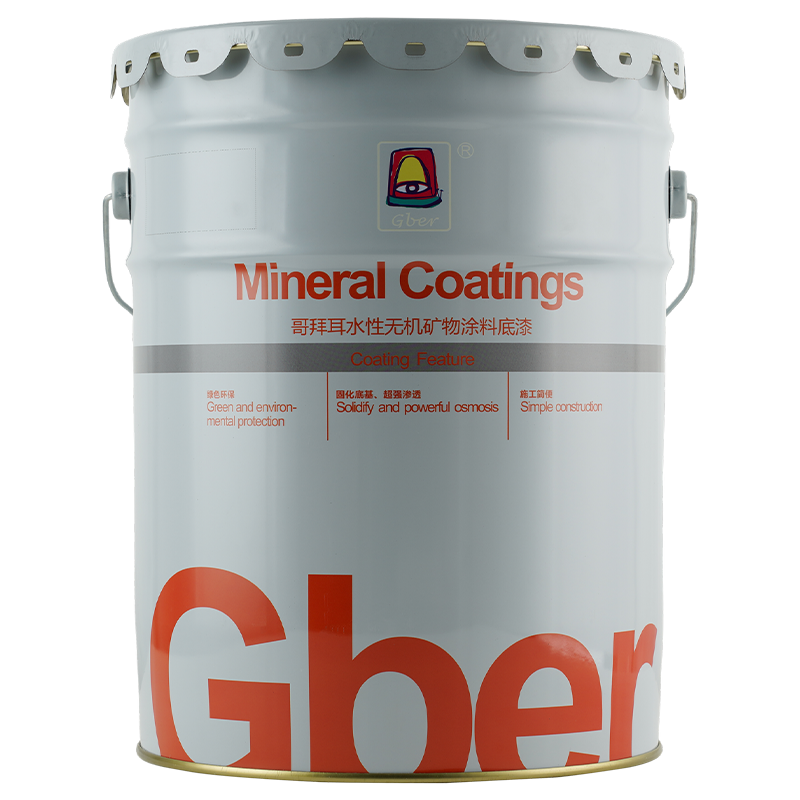
Interior/Exterior Wall Coatings
-
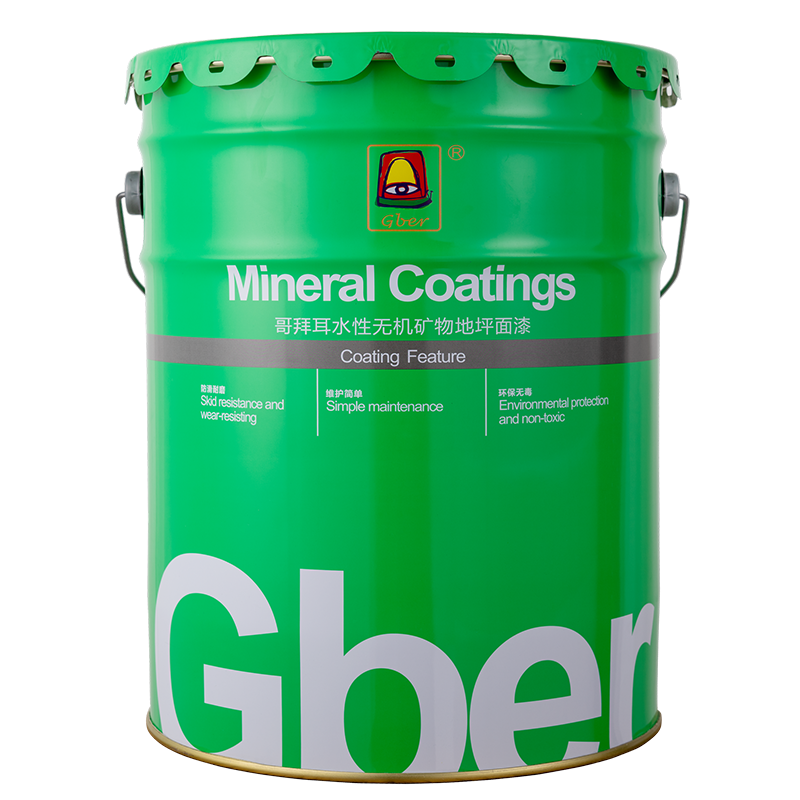
Floor paint
-
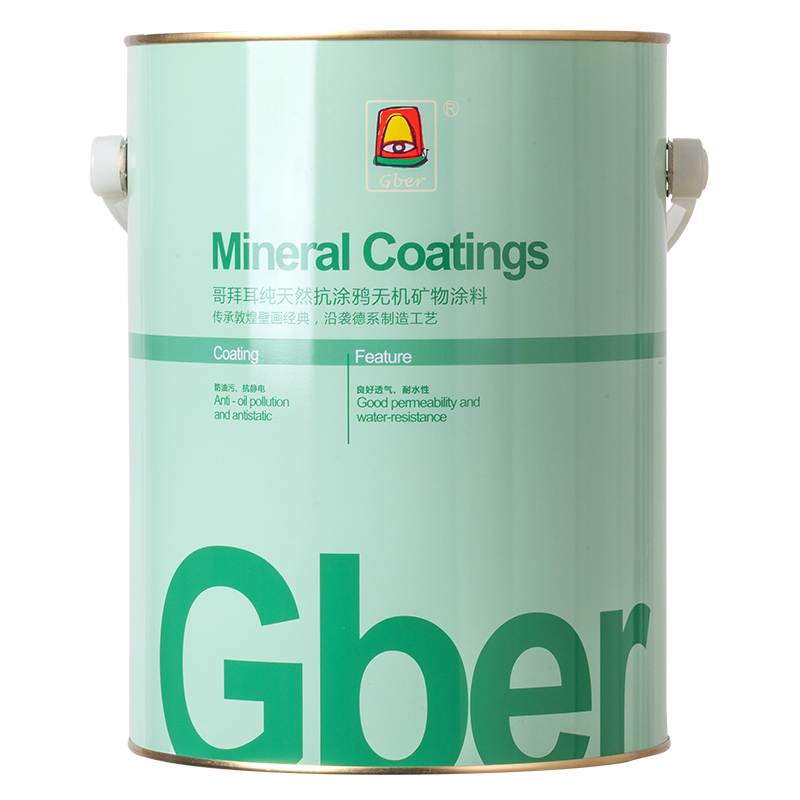
Anti-graffiti paint
-
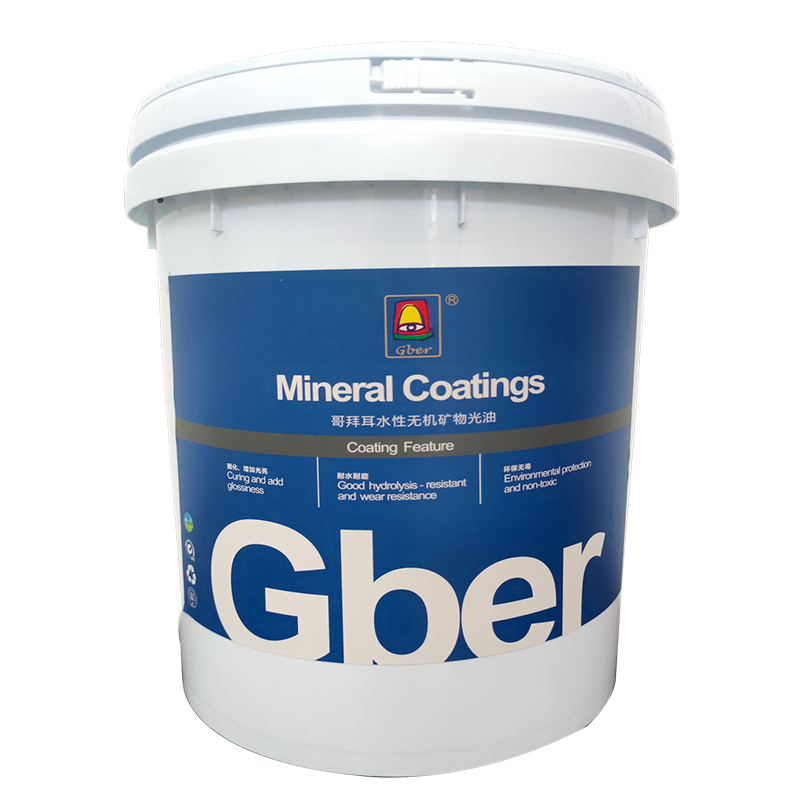
Radon-proof paint
-
Bridge-specific coating

-
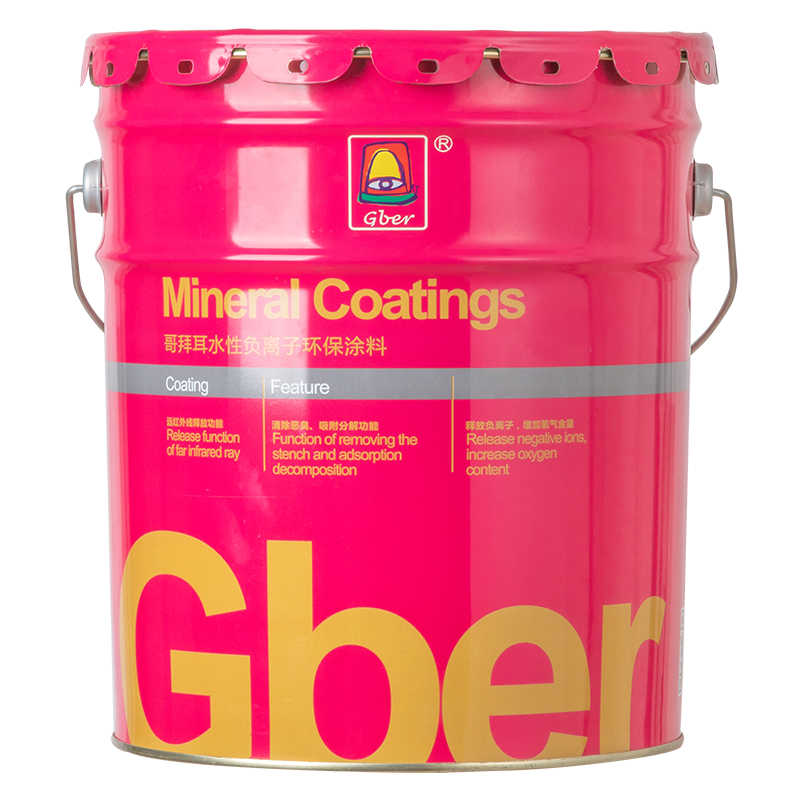
Environmentally friendly negative ion paint
-
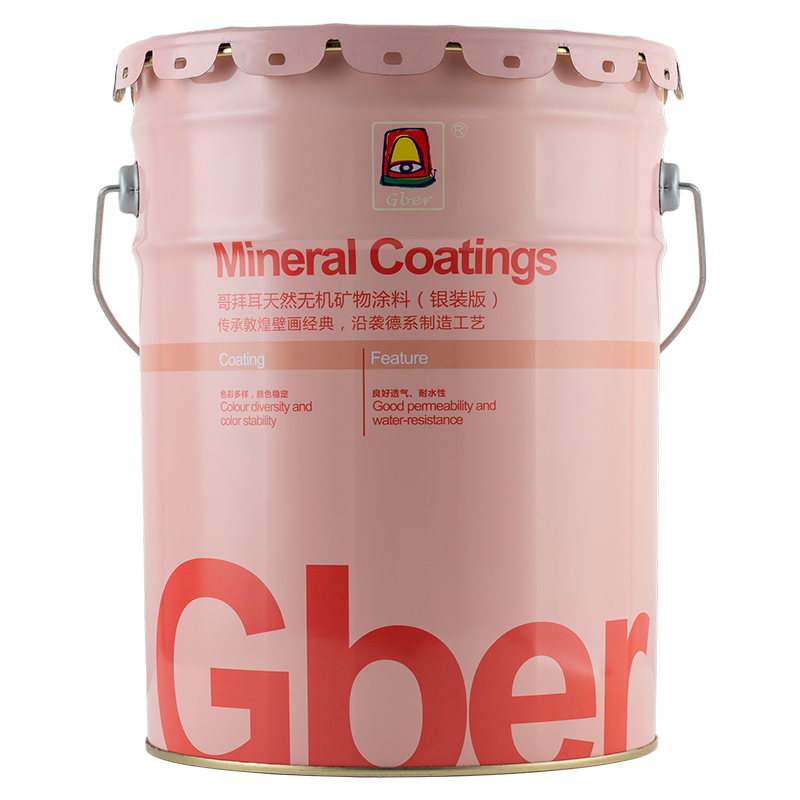
Antibacterial coating
-
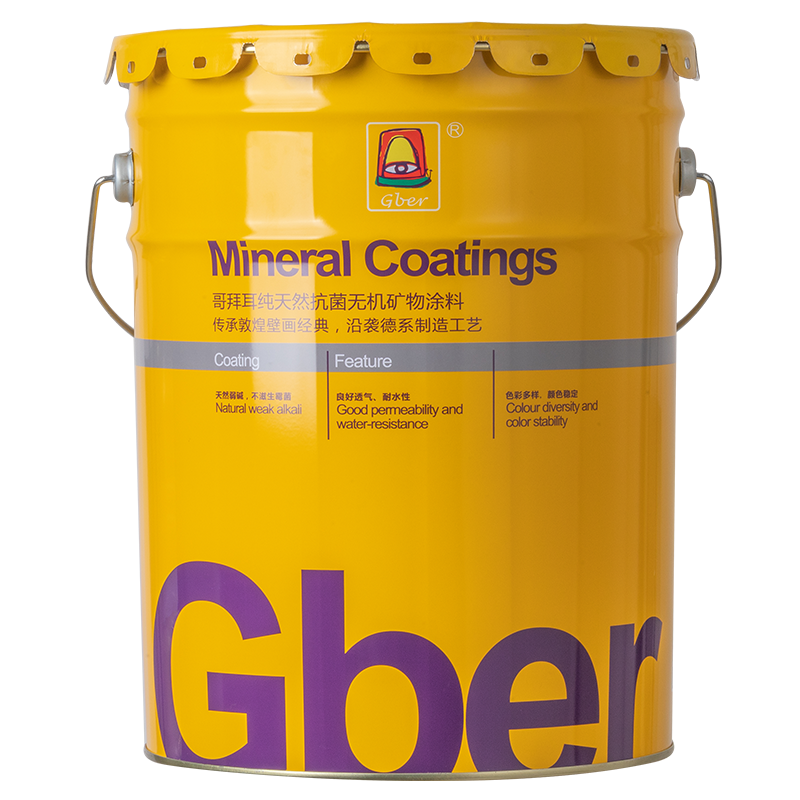
Heat insulation, anticorrosion and antibacterial coating
-
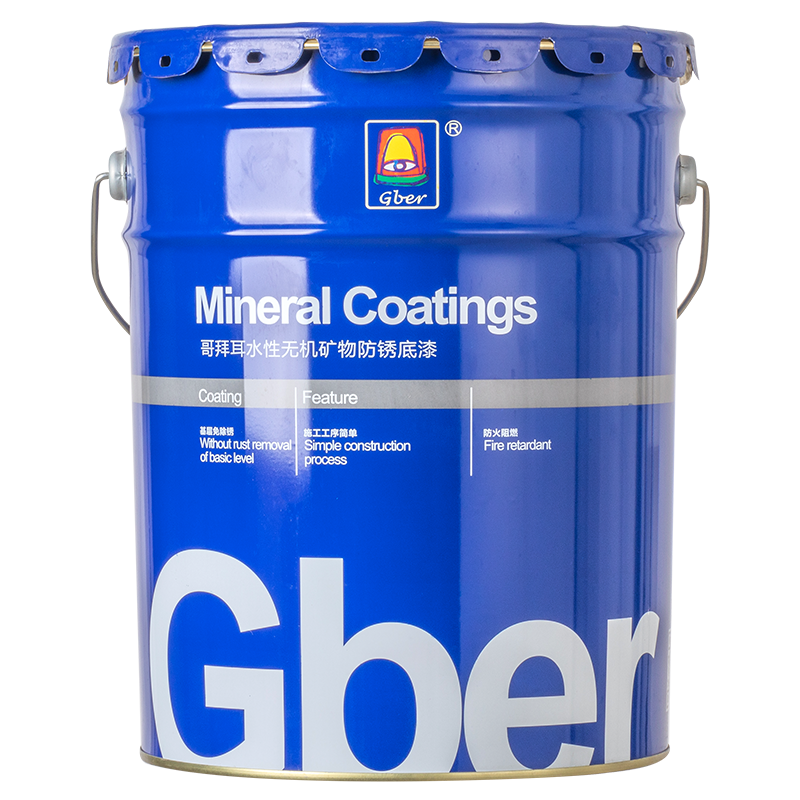
Inorganic water-based industrial anti-rust coating
-
Inorganic zinc silicate one-component coating

-
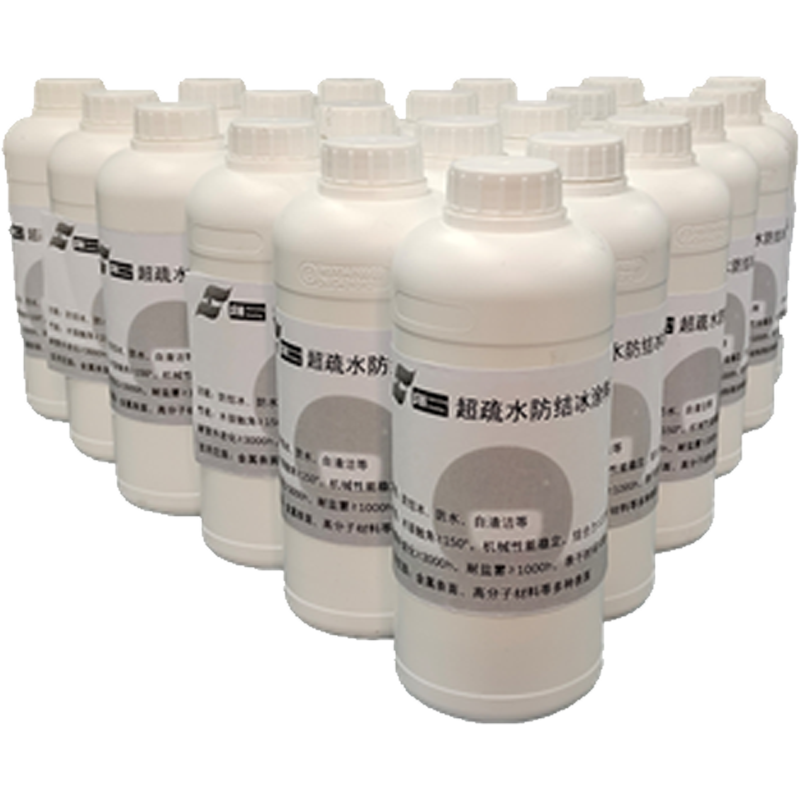
Superhydrophobic anti-icing coating
-
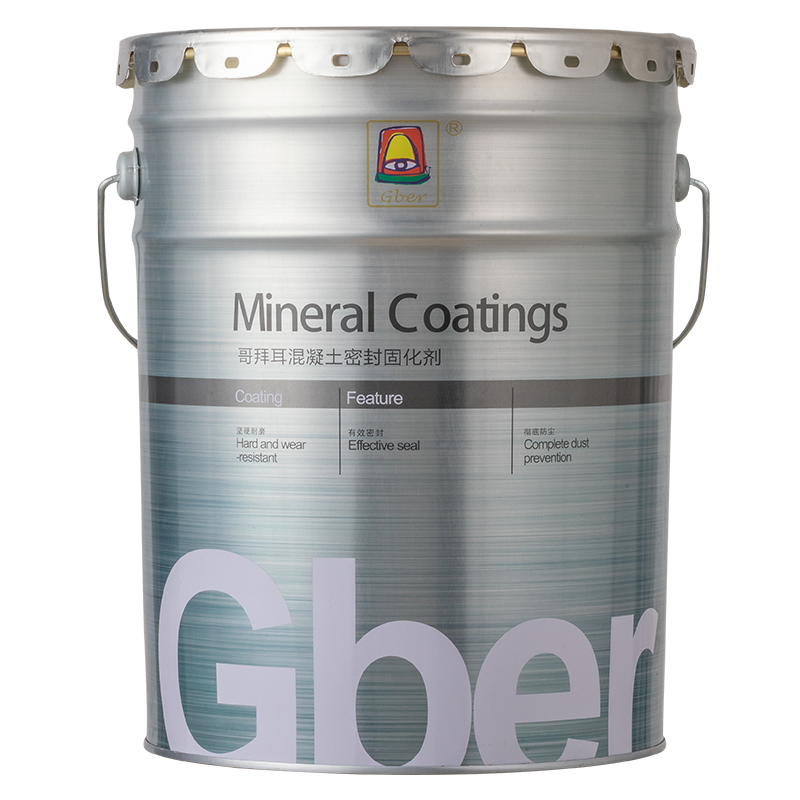
Concrete sealing and hardening agent
-
- Cases
-
Blog
Blog
——
- Contact




What are the advantages and disadvantages of traditional latex paint and inorganic coatings?
Category: Industry News
Published Time: 2025-05-15
Summary: Advantages and disadvantages of traditional latex paint and inorganic coatings, and how to choose
I. Traditional Latex Paint
Advantages
1. Affordable Price
High market penetration, mature raw materials and production processes, wide price range (tens to thousands of yuan/bucket), low-to-mid-range products are suitable for renovation needs with limited budgets.
2. Simple Construction
Can be brushed, rolled or sprayed, low requirements for construction personnel, fast drying speed, suitable for DIY operation.
3. Rich Colors
Mature color matching system, thousands of colors can be mixed with color paste to meet personalized decoration needs.
4. Good Decorativeness
The paint film is delicate and smooth, creating a variety of textures such as matte, silk and gloss, suitable for the aesthetic needs of interior walls.
Disadvantages
1. Performance Limitations
Poor weather resistance: It is easy to fade and powder when exposed outdoors for a long time, and is generally only used indoors.
Insufficient breathability: The paint film is dense, and the moisture on the wall is not easy to dissipate, which may cause the base layer to mildew.
General wear resistance: Frequent scrubbing may damage the paint film, and waterproof models should be selected for wet areas such as kitchens and bathrooms.
2. Environmental Concerns
Some low-end products contain VOCs (volatile organic compounds), formaldehyde and other chemicals, and their environmental protection depends on the brand and product grade.
3. Shorter Service Life
The normal service life indoors is about 5-10 years, and only 2-3 years outdoors, requiring regular renovation.
II. Inorganic Coatings
Advantages
1. Superior Performance
Ultra-strong weather resistance: Using minerals (such as potassium silicate and silicate) as the base material, it is resistant to ultraviolet rays and aging, and can be used outdoors for 10-20 years without fading or cracking, suitable for exterior walls and high-corrosion environments (such as industrial buildings).
Fireproof and flame retardant: Inorganic materials themselves do not burn and meet Class A fire protection standards, suitable for places with high fire protection requirements (such as hospitals and schools).
Good breathability: The paint film has a porous structure, which can adjust the humidity of the wall and reduce the growth of mildew, suitable for humid areas (such as the southern coast).
Antibacterial and anti-pollution: The alkaline environment inhibits bacterial growth, the surface is not easy to absorb dust, and the number of times it can be scrubbed can reach tens of thousands.
2. Outstanding Environmental Protection
The main components are natural minerals, without formaldehyde, VOCs and other harmful substances. Some products can release negative oxygen ions and meet green building standards.
3. Strong Bonding with the Substrate
It undergoes a chemical reaction with the wall (such as cement and lime) through chemical bonds to form an integral coating, with strong adhesion and is not easy to hollow or fall off.
4. Long Service Life
Low comprehensive cost, long-term use with one construction, reducing the frequency of renovation.
Disadvantages
Disadvantages
1. Higher Price
The raw materials (such as potassium silicate and nano-fillers) are expensive, and the prices of high-end products are usually 2-5 times that of latex paint (for example, interior inorganic coatings are about 500-2000 yuan/bucket, and exterior walls can reach more than 3000 yuan).
2. High Construction Requirements
The base layer needs to be dry (water content <10%), free of oil stains, and requires matching primers and topcoats. The construction process is complex and requires professional teams to operate, increasing labor costs.
3. Limited Colors and Textures
The color range of natural mineral pigments is relatively narrow, and the colors are light-colored (such as rice white and light gray). Bright colors are easy to fade; the texture is mostly matte or rough texture, and the decoration is more simple and industrial.
4. Limited Application Scenarios
Not suitable for non-alkaline substrates such as metal and plastic, and requires pre-interface treatment; construction is difficult in low-temperature environments (<5℃), and special formulas are required.
| III. Core Difference Comparison Table | Dimension | Traditional Latex Paint |
|---|---|---|
| Inorganic Coating | Main Components | Acrylic emulsion, pigments, additives |
| Potassium silicate/silicate, mineral pigments, water | Environmental Protection | Low-end products may contain VOCs |
| Zero VOCs, formaldehyde, natural and environmentally friendly | Weather Resistance | Suitable for indoor use, easy to age outdoors |
| Strong weather resistance outdoors, UV resistant | Fire Rating | Mostly B1 (difficult to burn) |
| A (non-combustible) | Breathability | Poor, easy to get damp |
| Excellent, humidity regulation and mildew prevention | Construction Difficulty | Simple, DIYable |
| Complex, requires a professional team | Price (Interior Wall) | 100-800 yuan/bucket (5L) |
| Typical Scenarios | Interior walls, home bedroom / living room | Exterior walls, hospitals, laboratories, industrial buildings |
IV. How to choose?
Choose latex paint: Limited budget, emphasis on color richness and home decoration aesthetics, and mainly used in indoor dry environments (such as bedrooms and living rooms).
Choose inorganic coatings: Pursue high durability, environmental protection and functionality (such as exterior walls, humid spaces, fire protection places), willing to pay a higher cost for long-term performance.
Keywords: What are the advantages and disadvantages of traditional latex paint and inorganic coatings?
Related Information
Company News
-
Construction process of radon-proof coating
Time:2025-05-15
-
Reaction principle of inorganic coatings
Time:2025-05-15
-
How to determine if inorganic coatings need to be re-maintained
Time:2025-05-15
-
How to properly use and maintain inorganic coatings to maximize their scrubbability?
Time:2025-05-15
-
Characteristics of inorganic coatings
Time:2025-05-15
-
CCTV's "Science and Technology Lights" program featured a special report on the bidder's water-based inorganic mineral coating products
Time:2025-05-15
-
Attended the drafting meeting for the industry standard of building products in the construction industry: Exterior Inorganic Architectural Coatings
Time:2025-05-15
-
Made a provincial standard report on inorganic interior wall coatings at the Guangdong Provincial Technical Supervision Bureau
Time:2025-05-15
Industry News
-
How is the breathability of inorganic coatings?
Time:2025-05-15
-
What are the advantages and disadvantages of traditional latex paint and inorganic coatings?
Time:2025-05-15
-
Will the scrub resistance of inorganic coatings decrease over time?
Time:2025-05-15
-
Inorganic coatings generally exhibit better scrub resistance than traditional latex paints
Time:2025-05-15
-
Typical application scenarios of inorganic coatings
Time:2025-05-15
Let us help you
Company Address: No. 1-2-802, Federal Fortune Center, No. 18, Wuke East Fourth Road, Chengdu, Sichuan Province
Factory Address: No. 20, A Area, No. 555, Boshi Road, Shou'an Town, Pujiang County, Chengdu, Sichuan Province
Copyright © 2025 Gber Coatings Co., Ltd. All Rights Reserved. Power By:300.cn · [ Privacy Policy ]


