- Home
- About
-
Products
Products
——
-
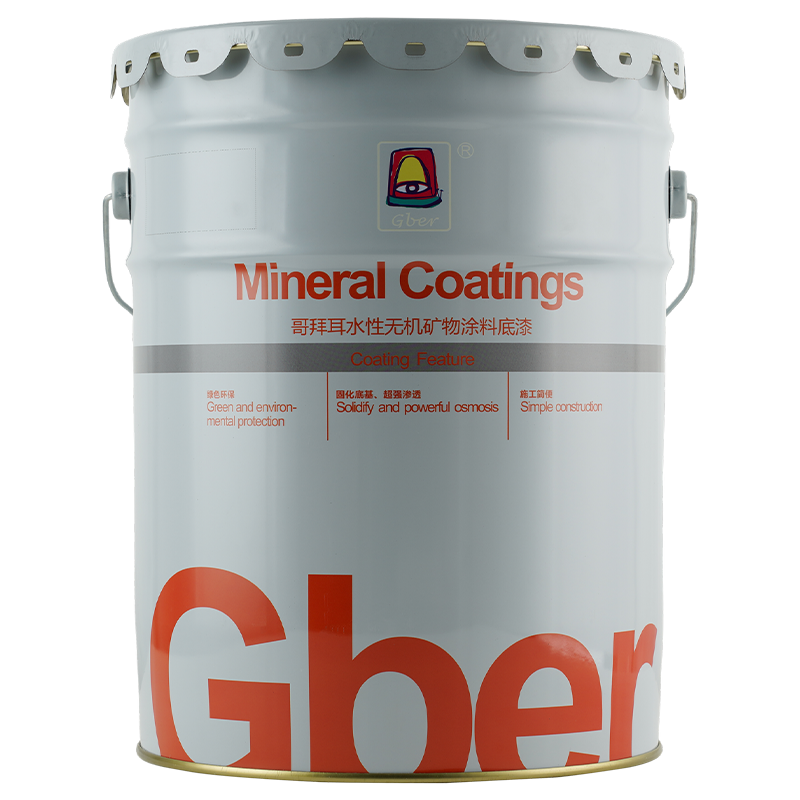
Interior/Exterior Wall Coatings
-
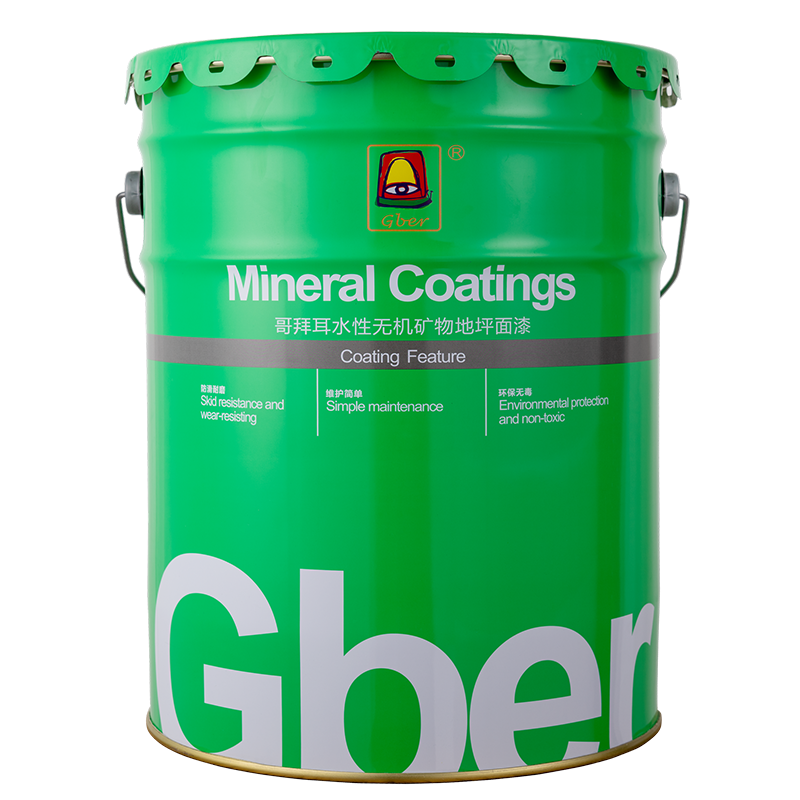
Floor paint
-
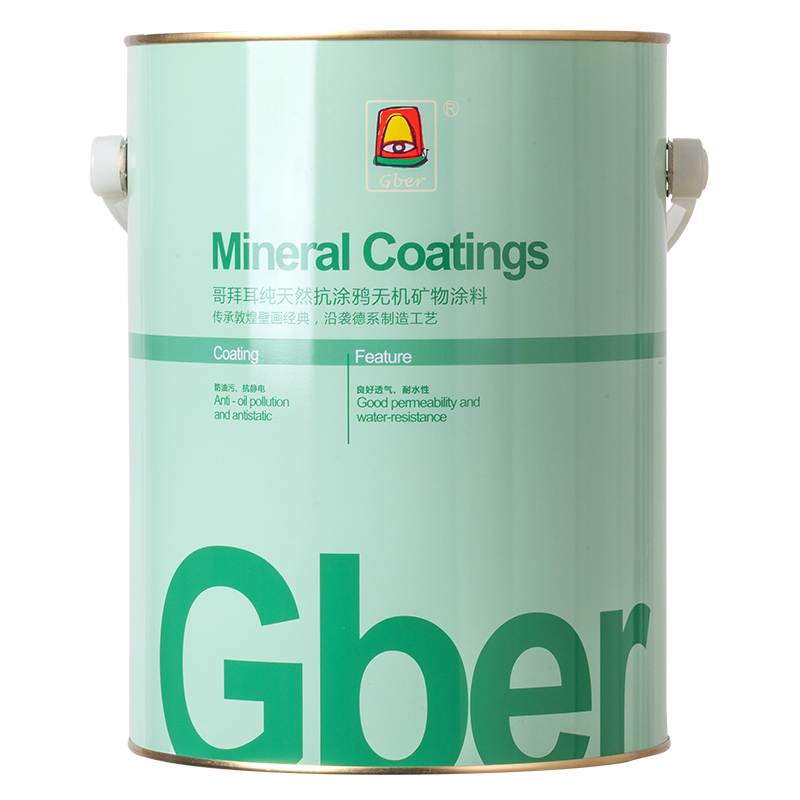
Anti-graffiti paint
-
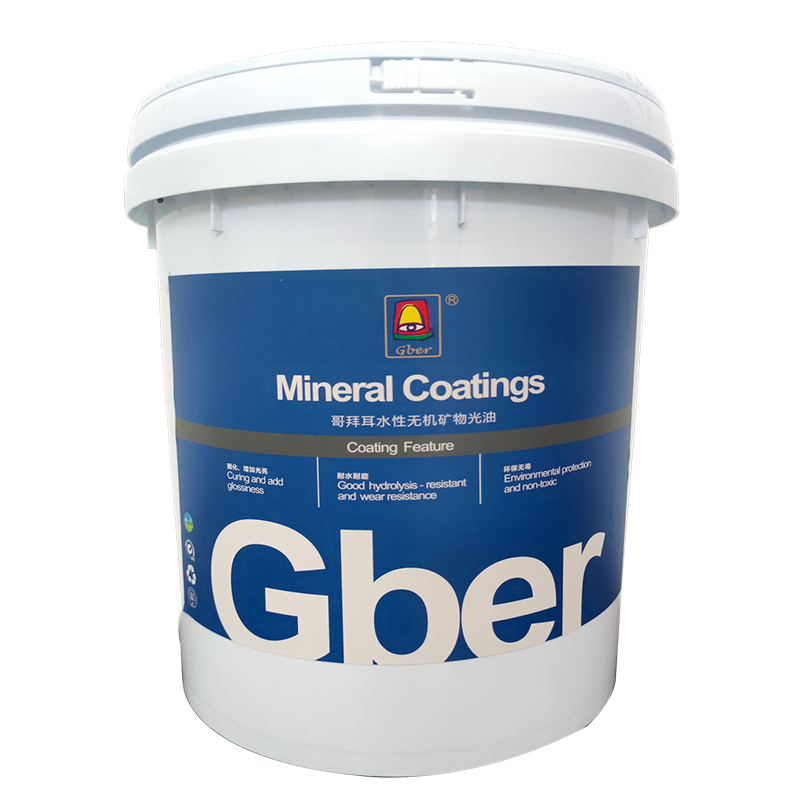
Radon-proof paint
-
Bridge-specific coating

-
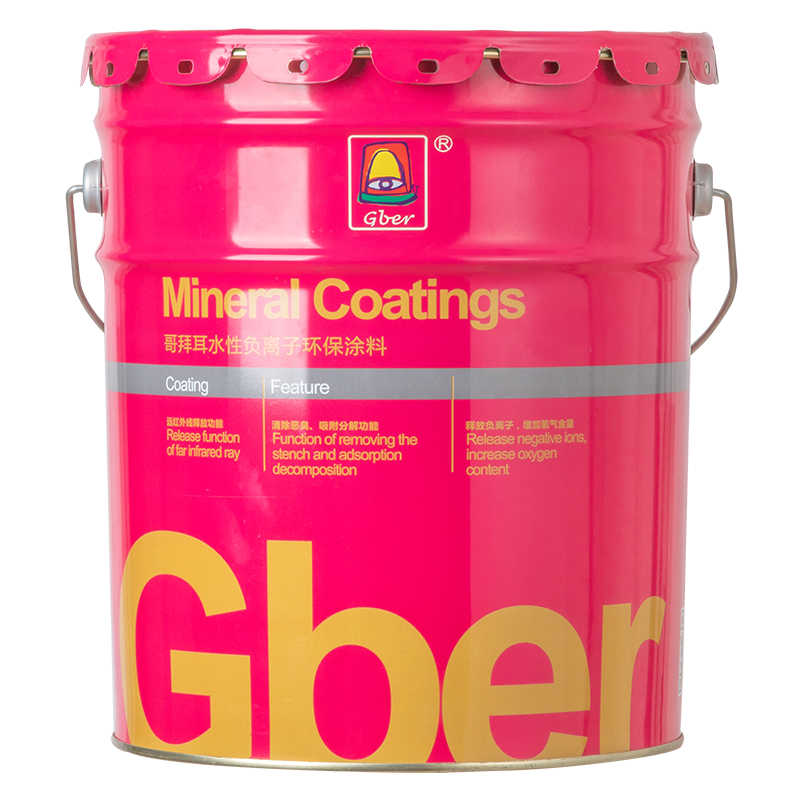
Environmentally friendly negative ion paint
-
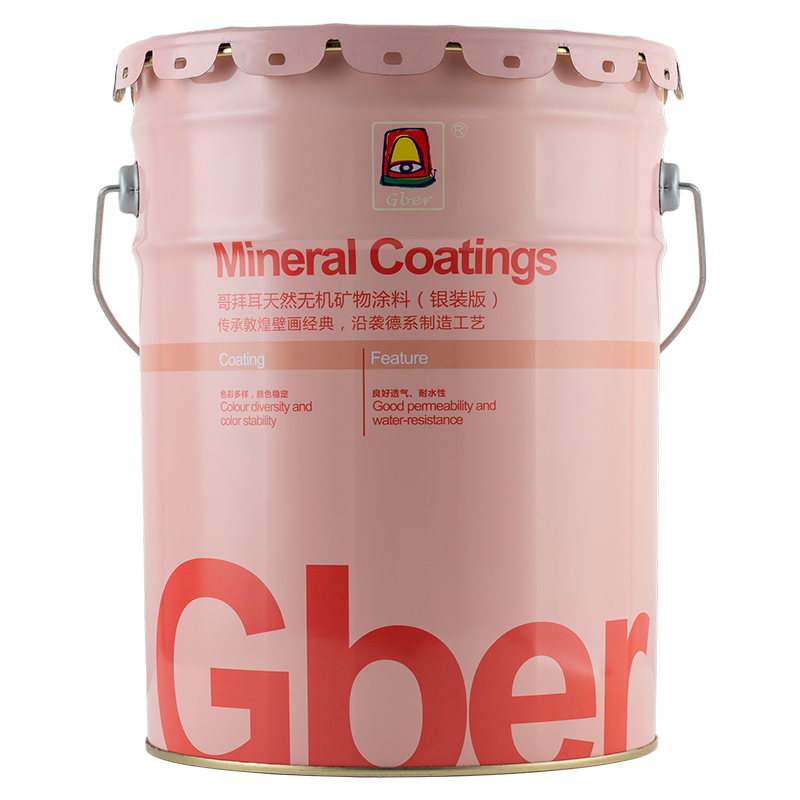
Antibacterial coating
-
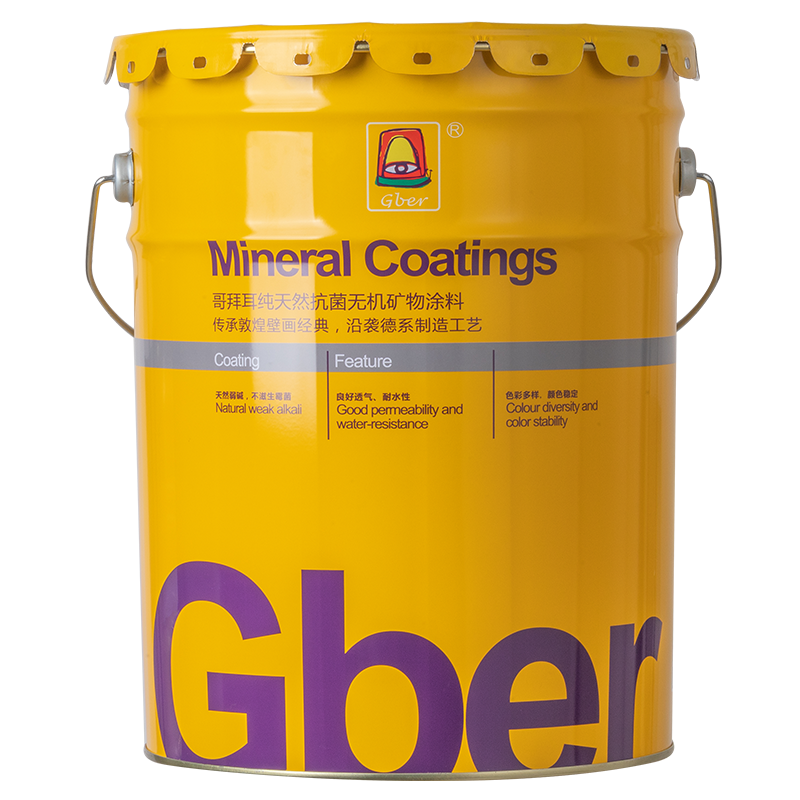
Heat insulation, anticorrosion and antibacterial coating
-
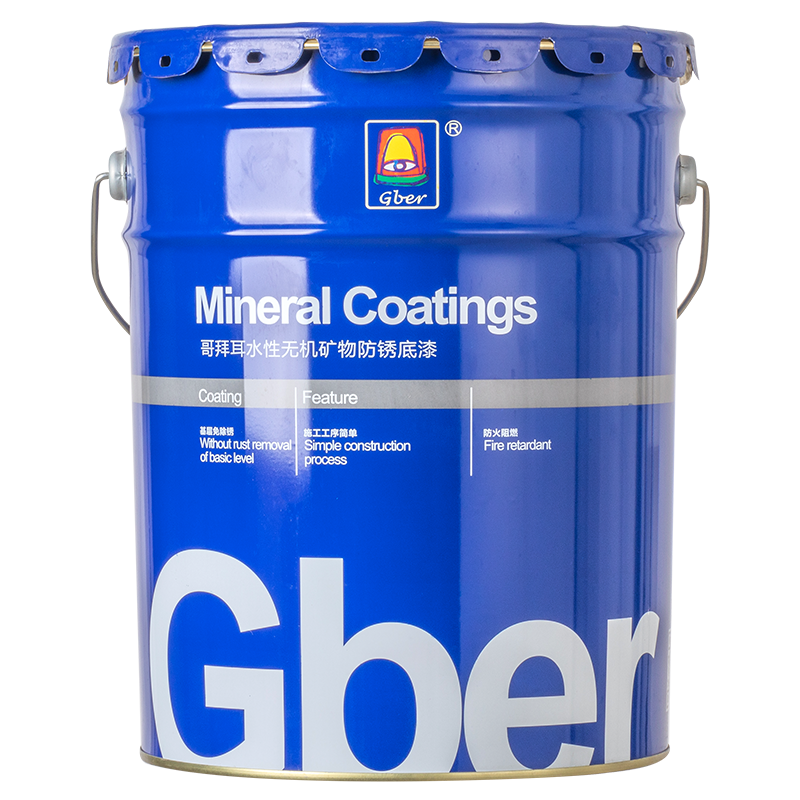
Inorganic water-based industrial anti-rust coating
-
Inorganic zinc silicate one-component coating

-
Superhydrophobic anti-icing coating
-
Concrete sealing and hardening agent
-
- Cases
-
Blog
Blog
——
- Contact





How is the breathability of inorganic coatings?
Category: Industry News
Published Time: 2025-05-15
Summary: The breathability of inorganic coatings is the core of their "breathing wall" properties, making them especially suitable for scenarios with high requirements for moisture resistance, mildew resistance, and substrate protection. They are the preferred solution for humid regions and high-performance buildings.
I. Principles of Excellent Breathability
1. Porous Structure of Mineral Substrate
The main components of inorganic coatings are potassium silicate, silicate, and other mineral solutions. After drying, they form a honeycomb-like porous paint film through a silicon-oxygen bond crosslinking reaction. The diameter of these micropores is about 0.01–1 micron, smaller than liquid water molecules (about 100 microns) but larger than gaseous water molecules (water vapor molecule diameter is about 0.0004 microns), forming a "one-way breathing" structure:
Allows water vapor to permeate: Moisture from the wall base can evaporate into the air through the micropores, preventing stuffiness;
Blocks liquid water from penetrating: External rainwater, condensation, etc., cannot penetrate the paint film, keeping the wall dry.
2. Chemical Bonding with Substrate
Inorganic coatings react with alkaline substrates such as cement and lime through chemical bonds, forming an integrated "coating-substrate" structure, rather than simply covering the surface like latex paint. This bonding method does not completely seal the substrate pores, but retains its natural breathability.
II. Practical Advantages of Breathability
1. Prevents Mold, Suitable for Humid Environments
In humid environments such as bathrooms, basements, and southern rainy seasons, wall moisture can be discharged through the paint film, reducing the conditions for mold growth (mold requires a humid environment to reproduce).
Case: After using inorganic coatings in a coastal residential area, the incidence of wall mold was reduced by more than 80% compared to traditional latex paint.
2. Regulates Indoor Humidity
The porous structure can absorb moisture from the air (such as humid air in summer) and release it when dry, providing a humidity buffer effect and improving living comfort.
Data: Laboratory tests show that inorganic coating walls can reduce the indoor humidity fluctuation range by 10%–15%.
3. Extends Substrate Lifespan
Avoids pulverization and hollowing of the base layer due to long-term dampness. For example, when inorganic coatings are used on exterior walls, the substrate moisture content can be maintained within a safe range (<8%) for a long time, reducing the risk of cracking.
4. Added Environmental Protection
Good breathability means that the wall is not easy to accumulate harmful gases (such as ammonia released by concrete). Coupled with the low VOC characteristics of inorganic coatings themselves, it further improves indoor air quality.
III. Comparison with Traditional Latex Paint
| Project | Inorganic Coating | Traditional Latex Paint |
|---|---|---|
| Paint Film Structure | Honeycomb-like porous, open and breathable | Continuous dense film, strong sealing |
| Water Vapor Permeability | High (approximately 500–800 g/(㎡・24h)) | Low (approximately 50–150 g/(㎡・24h)) |
| Performance in Humid Environments | Not easy to mildew or bubble | Easy to become damp and breed mold |
IV. Key Factors Affecting Breathability
1. Construction Process
If the base layer is not properly treated (such as the putty layer being too thick or dense), or the coating is applied too thickly, it may block the micropores and reduce breathability.
Correct method: Use thin-layer construction (single-layer thickness ≤0.1mm) and breathable putty (such as cement-based putty).
2. Coating Formulation
Low-end inorganic coatings, if too many film-forming aids or fillers are added, may damage the porous structure. It is recommended to choose products with **high silica content (silica-potassium ratio >1.5)**, such as Nippon QB series, German Mineral (MINERALO), etc.
3. Substrate Type
Suitable for alkaline substrates such as cement, lime, and gypsum. If used on non-alkaline surfaces such as metal and plastic, a primer (such as silane coupling agent) should be applied first, otherwise it may affect adhesion and breathability.
V. Recommended Application Scenarios
High-humidity areas: Bathrooms, kitchens, basements, swimming pool walls;
Exterior walls and areas with variable climates: Areas with frequent acid rain, areas with large diurnal temperature differences (such as Northwest China, plateaus);
Places with high requirements for environmental protection and comfort: Kindergartens, hospitals, nursing homes, etc.
Keywords: How is the breathability of inorganic coatings?
Related Information
Company News
-
Construction process of radon-proof coating
Time:2025-05-15
-
Reaction principle of inorganic coatings
Time:2025-05-15
-
How to determine if inorganic coatings need to be re-maintained
Time:2025-05-15
-
How to properly use and maintain inorganic coatings to maximize their scrubbability?
Time:2025-05-15
-
Characteristics of inorganic coatings
Time:2025-05-15
-
CCTV's "Science and Technology Lights" program featured a special report on the bidder's water-based inorganic mineral coating products
Time:2025-05-15
-
Attended the drafting meeting for the industry standard of building products in the construction industry: Exterior Inorganic Architectural Coatings
Time:2025-05-15
-
Made a provincial standard report on inorganic interior wall coatings at the Guangdong Provincial Technical Supervision Bureau
Time:2025-05-15
Industry News
-
How is the breathability of inorganic coatings?
Time:2025-05-15
-
What are the advantages and disadvantages of traditional latex paint and inorganic coatings?
Time:2025-05-15
-
Will the scrub resistance of inorganic coatings decrease over time?
Time:2025-05-15
-
Inorganic coatings generally exhibit better scrub resistance than traditional latex paints
Time:2025-05-15
-
Typical application scenarios of inorganic coatings
Time:2025-05-15
Let us help you
Company Address: No. 1-2-802, Federal Fortune Center, No. 18, Wuke East Fourth Road, Chengdu, Sichuan Province
Factory Address: No. 20, A Area, No. 555, Boshi Road, Shou'an Town, Pujiang County, Chengdu, Sichuan Province
Copyright © 2025 Gber Coatings Co., Ltd. All Rights Reserved. Power By:300.cn · [ Privacy Policy ]


