- Home
- About
-
Products
Products
——
-
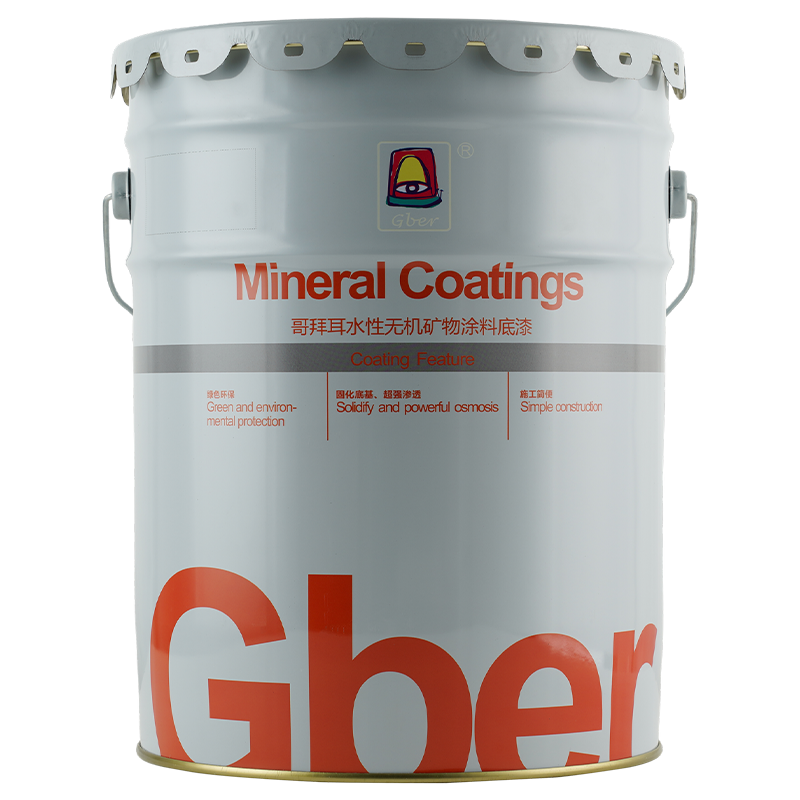
Interior/Exterior Wall Coatings
-
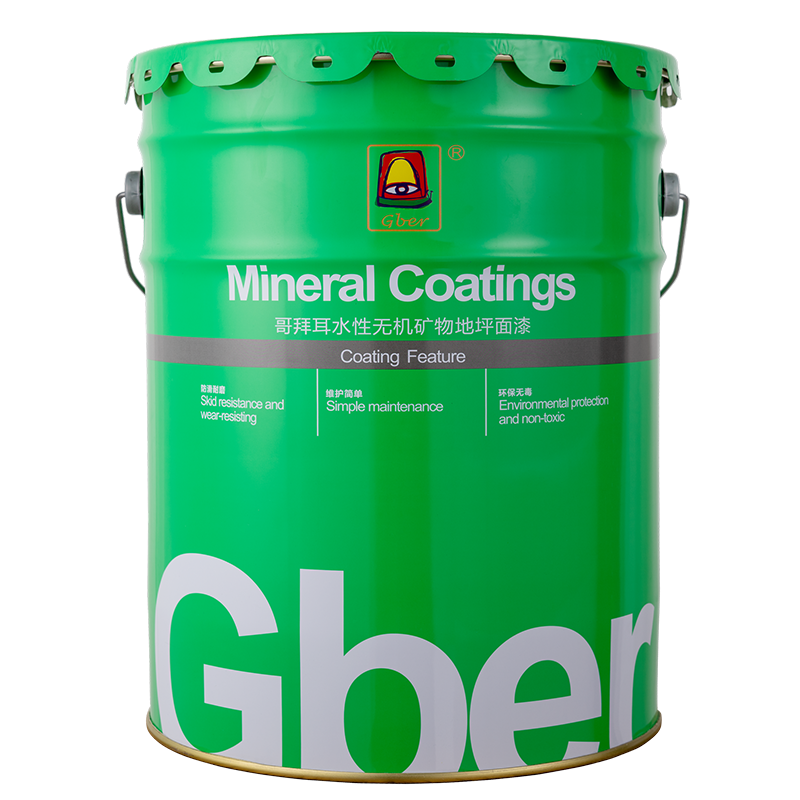
Floor paint
-
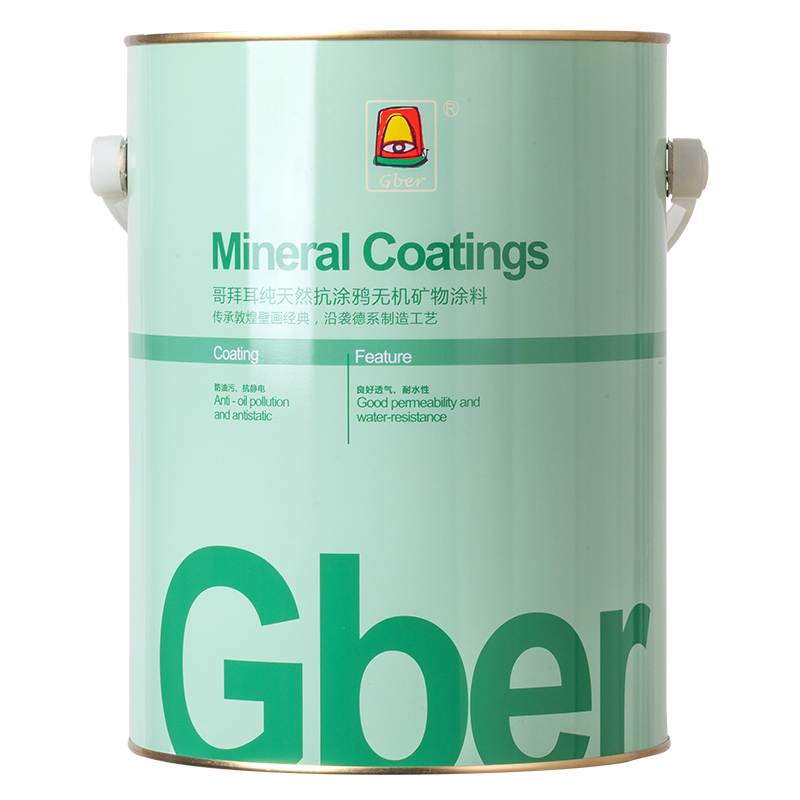
Anti-graffiti paint
-
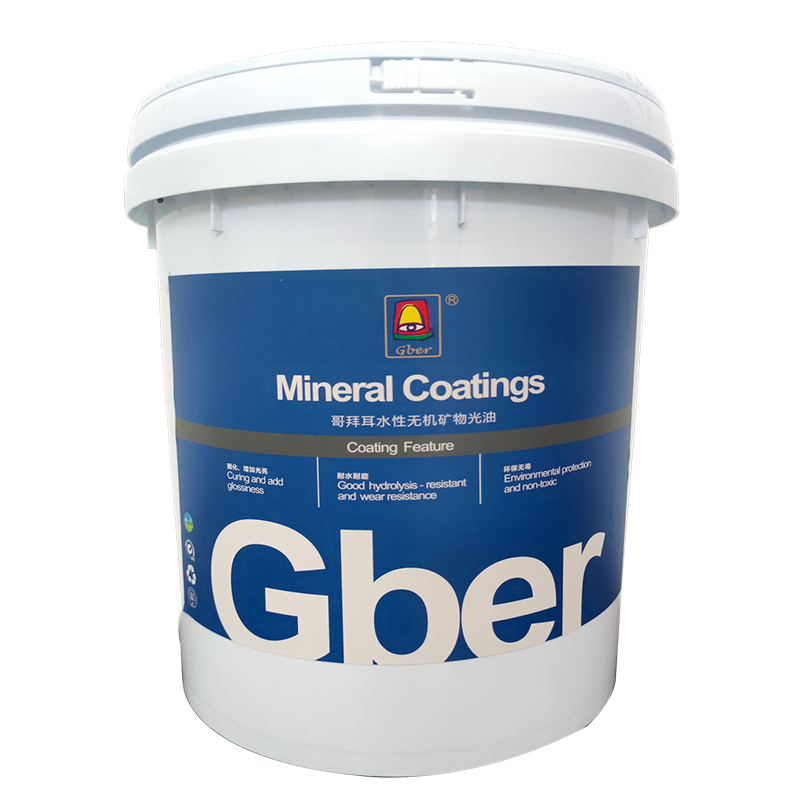
Radon-proof paint
-
Bridge-specific coating

-
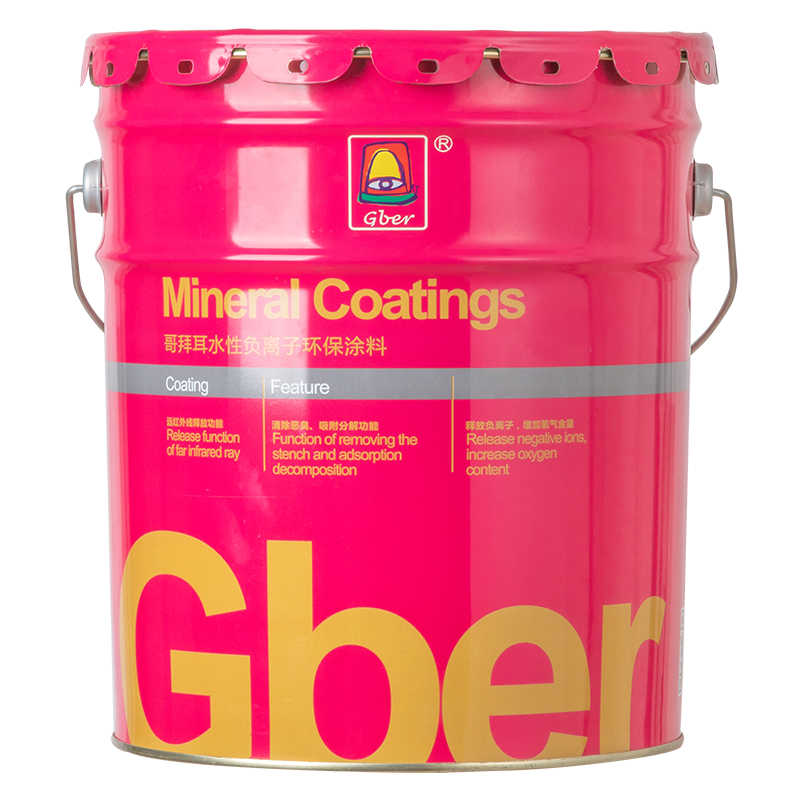
Environmentally friendly negative ion paint
-
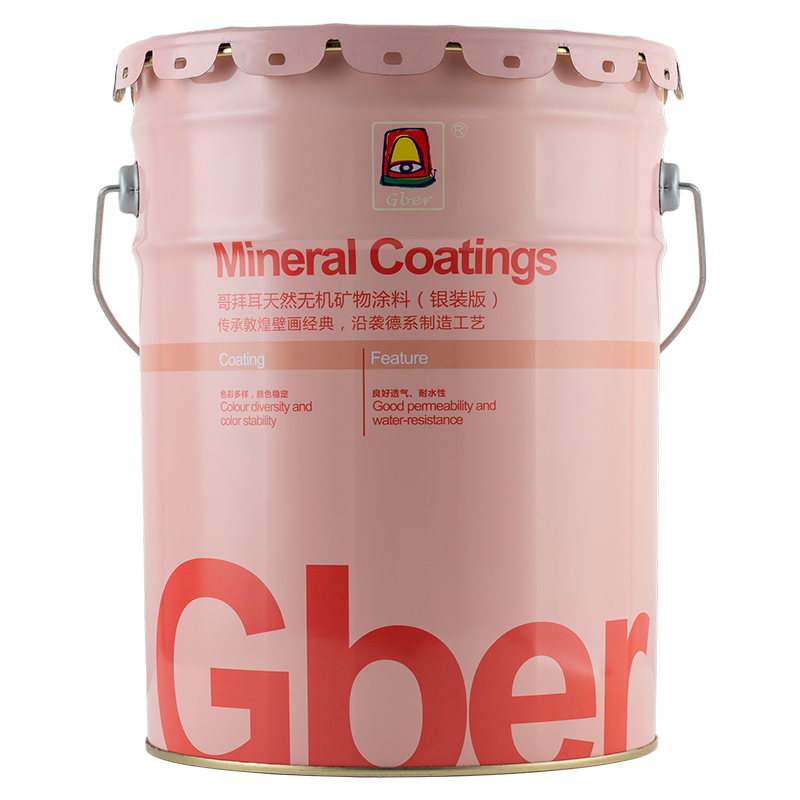
Antibacterial coating
-
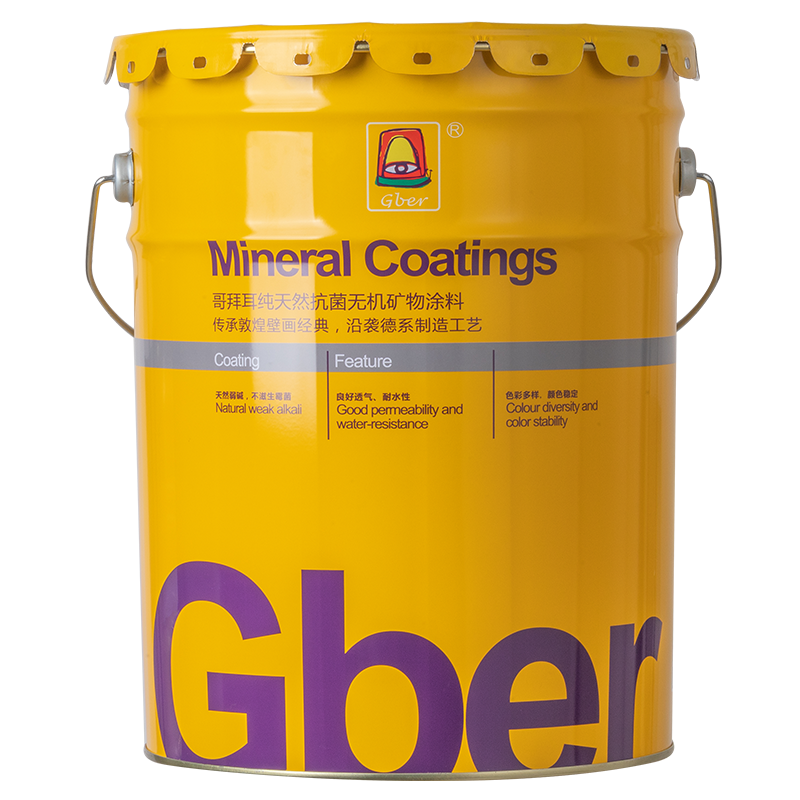
Heat insulation, anticorrosion and antibacterial coating
-
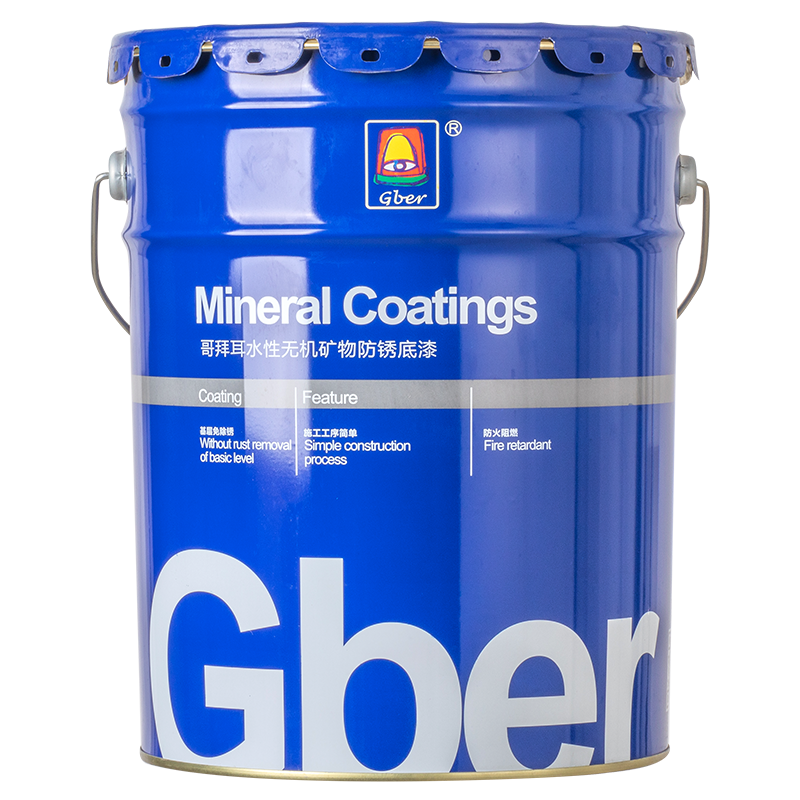
Inorganic water-based industrial anti-rust coating
-
Inorganic zinc silicate one-component coating

-
Superhydrophobic anti-icing coating
-
Concrete sealing and hardening agent
-
- Cases
-
Blog
Blog
——
- Contact




Will the scrub resistance of inorganic coatings decrease over time?
Category: Industry News
Published Time: 2025-05-15
Summary: Inorganic coatings exhibit long-term and stable scrub resistance. Under normal use, the performance degradation is less than 20% within 10-15 years, significantly better than the "rapid aging" characteristic of traditional latex paints.
The scrub resistance of inorganic coatings remains stable during long-term use, with a significantly slower decline rate than traditional latex paints. However, its performance degradation is closely related to environmental factors and the degree of coating aging. A detailed analysis is provided below:
I. Mechanisms and Influencing Factors of Scrub Resistance Degradation
1. Chemical Processes of Coating Aging
Advantages of Inorganic Coatings:
The film-forming process is a mineral chemical bonding reaction (e.g., potassium silicate reacts with calcium and magnesium ions in the substrate to form calcium silicate/magnesium silicate crystals). The resulting coating is essentially an inorganic mineral layer with extremely high chemical stability, and is not easily damaged by oxidation, hydrolysis, or other reactions.
Potential Aging Factors:
Long-term ultraviolet irradiation: May cause slight oxidation on the coating surface, but inorganic minerals themselves have low ultraviolet absorption rates, resulting in extremely slow aging (experiments show that after 10 years of outdoor exposure, the number of scrub cycles decreased by <10%).
Acidic pollutant erosion: Acid rain (pH<5.6) in industrial pollution areas or acidic substances in automobile exhaust may slowly dissolve the mineral crystals on the coating surface. However, the acid resistance of potassium silicate coatings is 3-5 times that of latex paints (based on test data from "Paint Industry" in 2022).
2. Cumulative Effects of Physical Wear
Impact of Daily Cleaning:
Normal use of neutral cleaning agents (such as dishwashing liquid) or soft cloths for wiping causes negligible wear on inorganic coatings. Frequent use of steel wool, hard-bristled brushes, or strong alkaline cleaning agents (such as sodium hydroxide) may artificially damage the surface structure of the coating, leading to a decrease in scrub resistance.
Accelerated Wear in Extreme Environments:
High wind and sand areas: Exterior wall coatings are subjected to long-term impact from sand and dust particles, increasing surface roughness, and the number of scrub cycles may decrease by 1%-3% annually (simulated experimental data).
Wet-dry cycles: Repeated wet-dry cycles in areas such as bathrooms may cause micro-cracks in the coating to expand. However, the "breathability" (air permeability) of inorganic coatings can alleviate internal stress, and the crack expansion rate is only 1/2 that of latex paints.
II. Comparison of Aging Resistance with Traditional Latex Paints
| Performance Indicators | Inorganic Coating (10 years outdoors) | Traditional Latex Paint (10 years outdoors) |
|---|---|---|
| Initial Number of Scrub Cycles | 15000 times | 8000 times |
| Number of Scrub Cycles After 10 Years | 13500 times (10% decrease) | 4000 times (50% decrease) |
| Coating Surface Condition | No powdering, no peeling, gloss retention rate 85% | Significant powdering, local peeling, loss of gloss |
| Performance After Chemical Corrosion | No damage after 24 hours of immersion in 10% hydrochloric acid | Under the same conditions, the coating swells and peels off |
III. Maintenance Suggestions for Extending Scrub Resistance
1. Daily Cleaning Standards
Cleaning agent selection: Use neutral cleaning agents with pH=7-9 (such as neutral dishwashing liquid), and avoid direct contact between strong acids (such as toilet bowl cleaner) and strong alkalis (such as 84 disinfectant) and the coating.
Tool selection: Use soft sponges or microfiber cloths to wipe, and strictly prohibit the use of steel wool, hard-bristled brushes, and other sharp tools.
2. Periodic Protective Measures
Regular inspection of exterior walls: Every 2-3 years, use a high-pressure water gun to rinse off surface dust (water pressure ≤0.3MPa) and remove potentially adsorbed acidic pollutants (such as bird droppings and oil smoke).
Repair of high-wear areas: For high-frequency contact areas such as corridors and stair railings, if local wear occurs, the same brand of inorganic coating can be directly applied (no need to remove the original coating, the new and old coatings can be chemically cross-linked).
3. Selection of Environmentally Adapted Products
Industrial pollution areas: Select fluorosilicone-modified inorganic coatings, which form a low surface energy coating on the surface, increasing chemical corrosion resistance by more than 2 times.
High-humidity areas: Prioritize potassium silicate-titanium dioxide nanocomposite systems, which combine water repellency and photocatalytic self-cleaning functions to reduce the damage caused by mold growth to the coating.
IV. Experimental Data Support
Long-term aging test:
A certain brand of potassium silicate inorganic coating was exposed outdoors in Shenzhen (strong ultraviolet radiation + high humidity) for 15 years. After testing, the number of scrub cycles still reached 12000 times (initial value 15000 times), with a degradation rate of only 20%; a high-end latex paint compared at the same time decreased from 8000 times to 2000 times, with a degradation rate of 75%.
Accelerated aging simulation:
In laboratory ultraviolet aging box tests (500h, equivalent to 5 years outdoors), the number of scrub cycles of the inorganic coating decreased by 8%, while the latex paint decreased by 45%, demonstrating the chemical stability advantage of inorganic materials.
Summary
Inorganic coatings exhibit long-lasting and stable scrub resistance. Under normal use, performance degradation does not exceed 20% within 10-15 years, significantly better than the "rapid aging" characteristics of traditional latex paints. Its core advantage lies in the irreversible film-forming mechanism of mineral chemical bonding, allowing the coating and substrate to form a "rock-like" structure, making it difficult to be damaged by conventional environmental factors. For scenarios that require "maintenance-free, long-life" (such as hospitals, schools, and high-end residences), inorganic coatings are a more cost-effective choice, but it is necessary to avoid deliberate violent cleaning or extreme chemical corrosion to maximize its performance advantages.
Keywords: Will the scrub resistance of inorganic coatings decrease over time?
Related Information
Company News
-
Construction process of radon-proof coating
Time:2025-05-15
-
Reaction principle of inorganic coatings
Time:2025-05-15
-
How to determine if inorganic coatings need to be re-maintained
Time:2025-05-15
-
How to properly use and maintain inorganic coatings to maximize their scrubbability?
Time:2025-05-15
-
Characteristics of inorganic coatings
Time:2025-05-15
-
CCTV's "Science and Technology Lights" program featured a special report on the bidder's water-based inorganic mineral coating products
Time:2025-05-15
-
Attended the drafting meeting for the industry standard of building products in the construction industry: Exterior Inorganic Architectural Coatings
Time:2025-05-15
-
Made a provincial standard report on inorganic interior wall coatings at the Guangdong Provincial Technical Supervision Bureau
Time:2025-05-15
Industry News
-
How is the breathability of inorganic coatings?
Time:2025-05-15
-
What are the advantages and disadvantages of traditional latex paint and inorganic coatings?
Time:2025-05-15
-
Will the scrub resistance of inorganic coatings decrease over time?
Time:2025-05-15
-
Inorganic coatings generally exhibit better scrub resistance than traditional latex paints
Time:2025-05-15
-
Typical application scenarios of inorganic coatings
Time:2025-05-15
Let us help you
Company Address: No. 1-2-802, Federal Fortune Center, No. 18, Wuke East Fourth Road, Chengdu, Sichuan Province
Factory Address: No. 20, A Area, No. 555, Boshi Road, Shou'an Town, Pujiang County, Chengdu, Sichuan Province
Copyright © 2025 Gber Coatings Co., Ltd. All Rights Reserved. Power By:300.cn · [ Privacy Policy ]


