- Home
- About
-
Products
Products
——
-
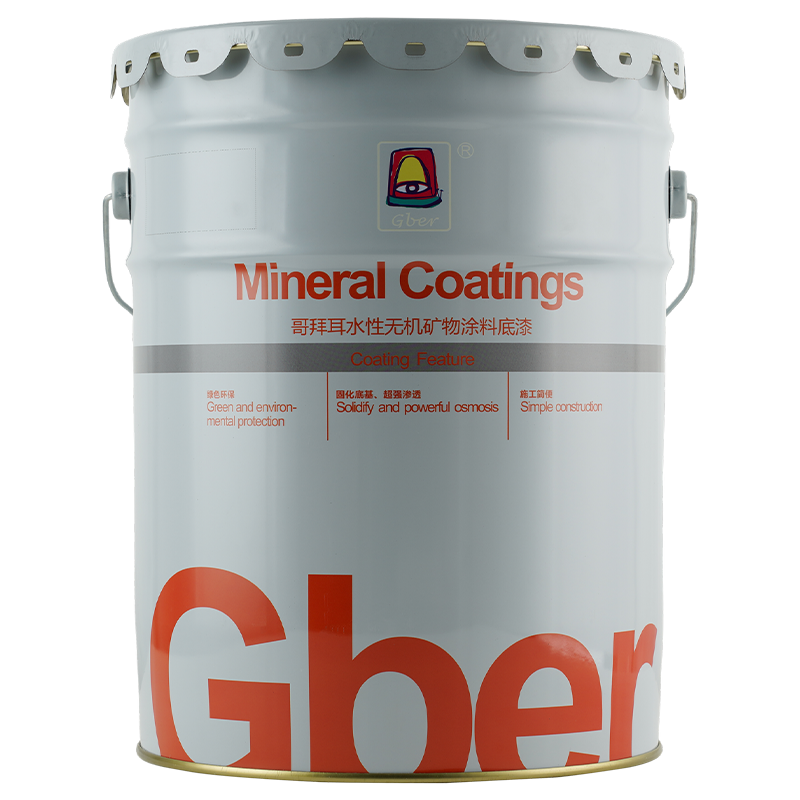
Interior/Exterior Wall Coatings
-
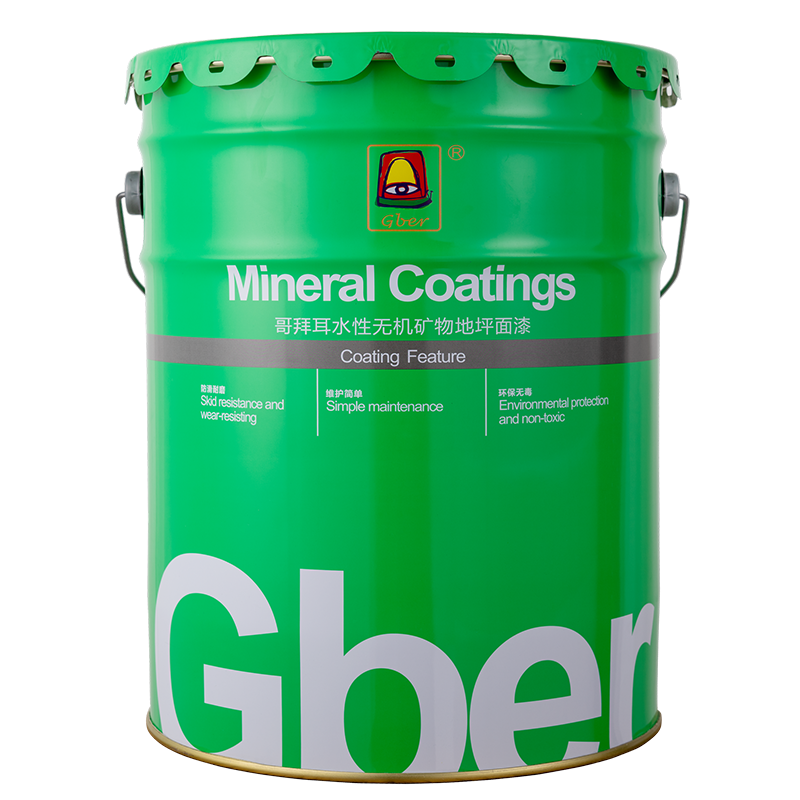
Floor paint
-
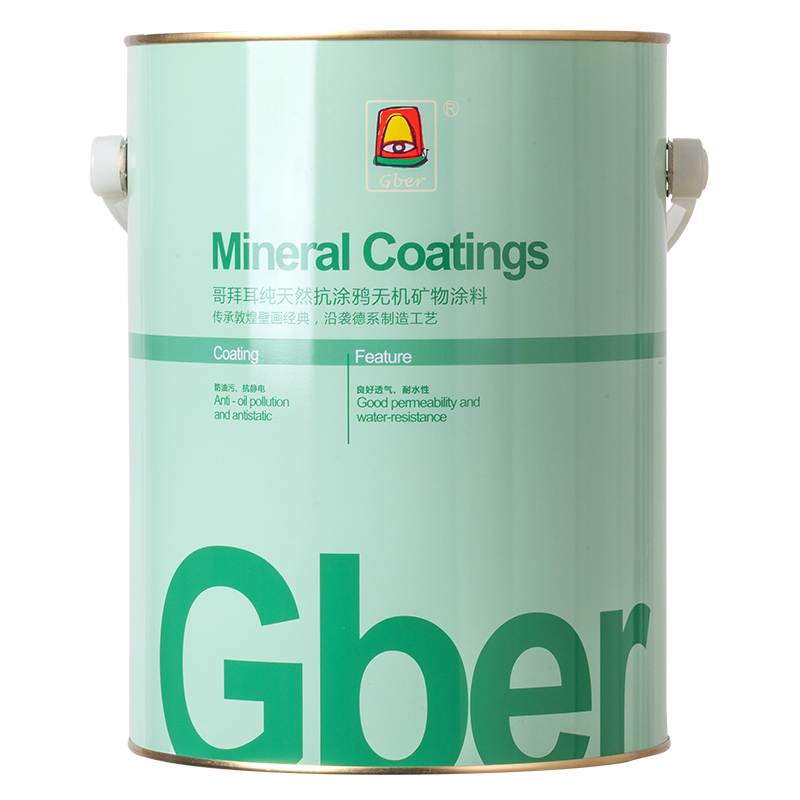
Anti-graffiti paint
-
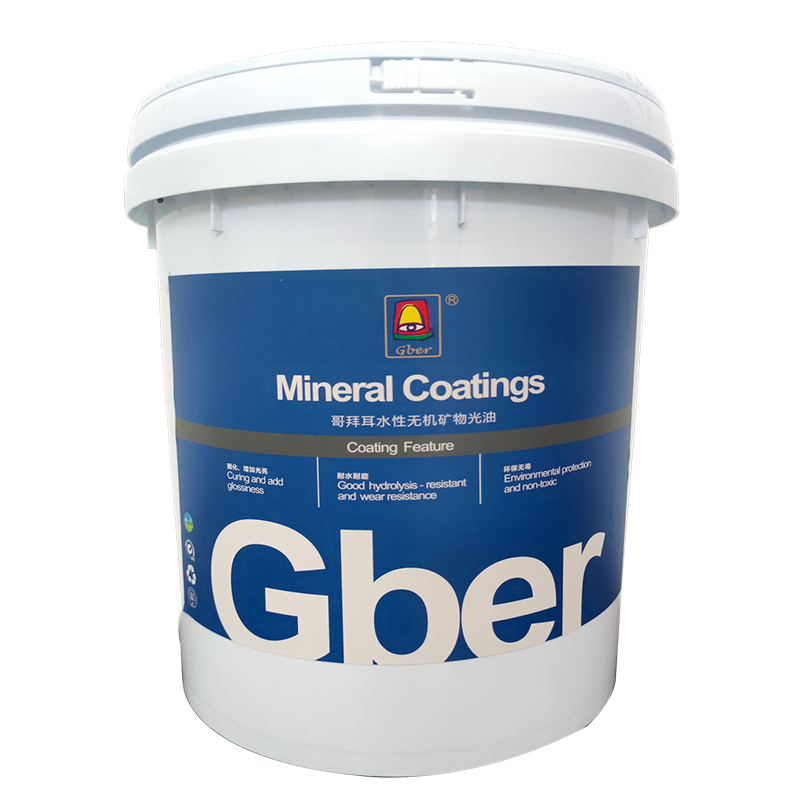
Radon-proof paint
-
Bridge-specific coating

-
Environmentally friendly negative ion paint
-
Antibacterial coating
-
Heat insulation, anticorrosion and antibacterial coating
-
Inorganic water-based industrial anti-rust coating
-
Inorganic zinc silicate one-component coating

-
Superhydrophobic anti-icing coating
-
Concrete sealing and hardening agent
-
- Cases
-
Blog
Blog
——
- Contact




Reaction principle of inorganic coatings
Category: Company News
Published Time: 2025-05-15
Summary: The reaction principle of inorganic coatings is mainly based on the chemical reaction between the inorganic binders (such as silicate, potassium silicate, silica sol, etc.) in their components and carbon dioxide and water in the air, forming a stable coating structure.
The reaction principle of inorganic coatings is mainly based on the chemical reaction between the inorganic binders (such as silicate, potassium silicate, silica sol, etc.) in their components and carbon dioxide and water in the air, forming a stable coating structure. The following are the specific reaction mechanisms and key points:
I. Core Reaction Principle: Mineral Petrification Reaction (Carbonation Reaction)
The film-forming process of inorganic coatings is a chemical bonding process, unlike the physical film-forming of traditional organic coatings (such as resin solvent volatilization and curing). Taking silicate inorganic coatings as an example, the reaction principle is as follows:
1. Alkaline Environment of the Substrate Surface
Inorganic coatings are usually used on alkaline substrates such as cement and lime (pH ≥ 10). During construction, the water-soluble silicates (such as sodium silicate and potassium silicate) in the coating penetrate into the pores of the substrate in the form of an aqueous solution.
2. Reaction with Carbon Dioxide (Carbonation)
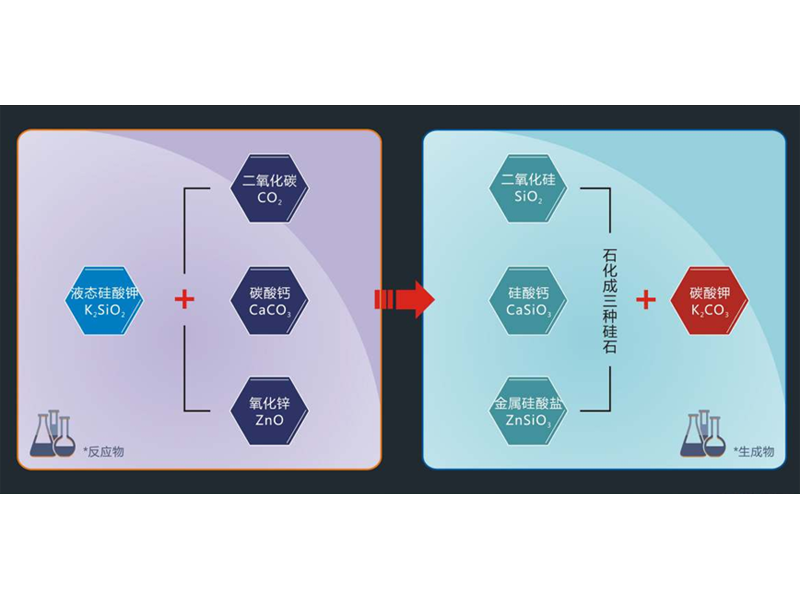
The silicates in the coating react chemically with carbon dioxide (CO₂) and water (H₂O) in the air to produce insoluble calcium silicate (or potassium silicate) gel and calcium carbonate (CaCO₃).
The generated silicate gel will tightly fill the pores of the substrate, forming a strong mineral coating that chemically bonds with the substrate as one, with extremely strong adhesion.
Calcium carbonate, as a byproduct, further enhances the hardness and stability of the coating.
3. Continuous Curing and Strength Improvement
The reaction process proceeds gradually over time, and the coating will continue to harden. The water resistance, scrub resistance, and other properties will increase with the degree of carbonation (usually requires more than 28 days for complete curing).
II. Key Characteristics and Influencing Factors of the Reaction
1. "Homogeneity" with the Substrate
Inorganic coatings form a mineral community with the substrate through chemical reactions, rather than simple adhesion, therefore:
Strong crack resistance: It is not easy to crack with the thermal expansion and contraction of the substrate;
Good breathability: Moisture inside the substrate can evaporate through the pores of the coating, avoiding blistering and peeling.
2. Necessity of Alkaline Environment
The reaction depends on the alkalinity of the substrate (pH ≥ 10). If the substrate alkalinity is insufficient (such as old walls), an alkaline primer should be used in advance, otherwise the coating cannot be effectively cured.
3. Influencing Factors of Curing Speed
Humidity: Moderate humidity (50%~70%) is conducive to CO₂ dissolution and diffusion, accelerating the reaction; extremely dry or humid environments will slow down curing.
Temperature: Low temperature (<5℃) will inhibit the chemical reaction, and construction should be carried out at a suitable temperature.
Coating thickness: Too thick a coating may lead to insufficient internal reaction, affecting overall performance.
III. Comparison of Principles with Organic Coatings
| Characteristics | Inorganic Coatings (Mineral Petrification Reaction) | Organic Coatings (Physical Film Formation) |
|---|---|---|
| Film Formation Method | Chemical bonding (reaction with the substrate to form a mineral layer) | Physical drying (resin solvent volatilization to form a film) |
| Adhesion | Chemical anchoring, extremely strong adhesion | Physical adhesion, depending on substrate surface treatment |
| Durability | Long-term stability, excellent weather resistance | Resin is prone to aging, poor weather resistance |
| Breathability | Porous mineral structure, good breathability | Strong sealing of the resin film, poor breathability |
| Environmental Protection | Inorganic components, no VOC release | Contains resins and solvents, may release VOCs |
IV. Application Scenarios and Precautions
1. Applicable Substrates
Cement, concrete, brick walls, lime mortar, and other alkaline substrates;
Not suitable for non-alkaline surfaces such as metal and wood (requires special treatment).
2. Construction Points
The substrate should be clean, dry, and firm, with pH ≥ 10;
Avoid construction on rainy days or under high temperature and strong light to avoid affecting the reaction process;
Alkaline primer is usually required to enhance adhesion.
3. Maintenance Advantages
Old coatings can be directly renovated without complete removal (the chemically bonded layer is compatible with the new coating).
Keywords: Reaction principle of inorganic coatings
Related Information
Company News
-
Construction process of radon-proof coating
Time:2025-05-15
-
Reaction principle of inorganic coatings
Time:2025-05-15
-
How to determine if inorganic coatings need to be re-maintained
Time:2025-05-15
-
How to properly use and maintain inorganic coatings to maximize their scrubbability?
Time:2025-05-15
-
Characteristics of inorganic coatings
Time:2025-05-15
-
CCTV's "Science and Technology Lights" program featured a special report on the bidder's water-based inorganic mineral coating products
Time:2025-05-15
-
Attended the drafting meeting for the industry standard of building products in the construction industry: Exterior Inorganic Architectural Coatings
Time:2025-05-15
-
Made a provincial standard report on inorganic interior wall coatings at the Guangdong Provincial Technical Supervision Bureau
Time:2025-05-15
Industry News
-
How is the breathability of inorganic coatings?
Time:2025-05-15
-
What are the advantages and disadvantages of traditional latex paint and inorganic coatings?
Time:2025-05-15
-
Will the scrub resistance of inorganic coatings decrease over time?
Time:2025-05-15
-
Inorganic coatings generally exhibit better scrub resistance than traditional latex paints
Time:2025-05-15
-
Typical application scenarios of inorganic coatings
Time:2025-05-15
Let us help you
Company Address: No. 1-2-802, Federal Fortune Center, No. 18, Wuke East Fourth Road, Chengdu, Sichuan Province
Factory Address: No. 20, A Area, No. 555, Boshi Road, Shou'an Town, Pujiang County, Chengdu, Sichuan Province
Copyright © 2025 Gber Coatings Co., Ltd. All Rights Reserved. Power By:300.cn · [ Privacy Policy ]


