- Home
- About
-
Products
Products
——
-
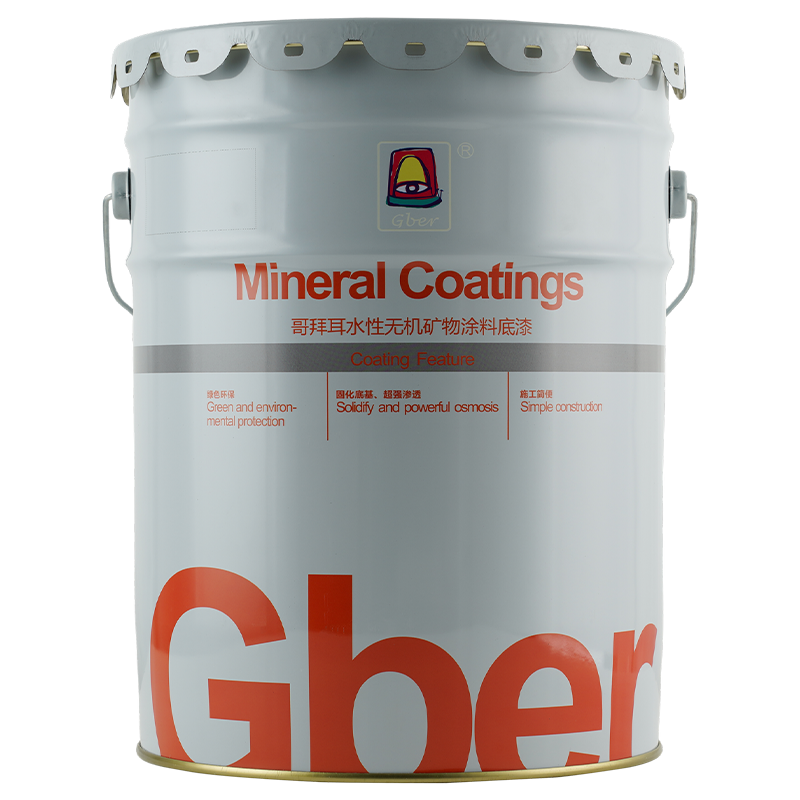
Interior/Exterior Wall Coatings
-
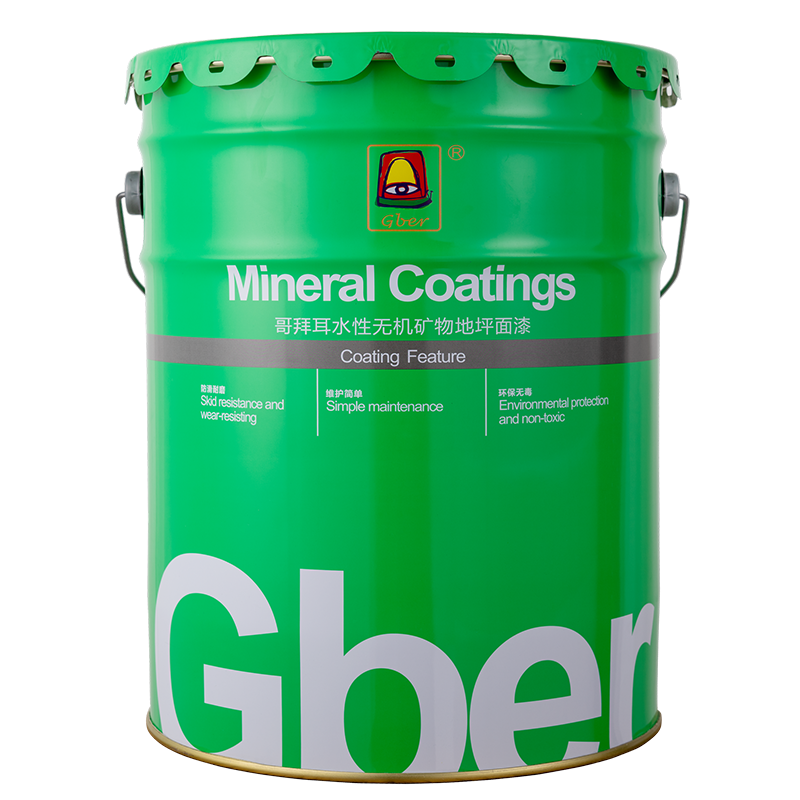
Floor paint
-
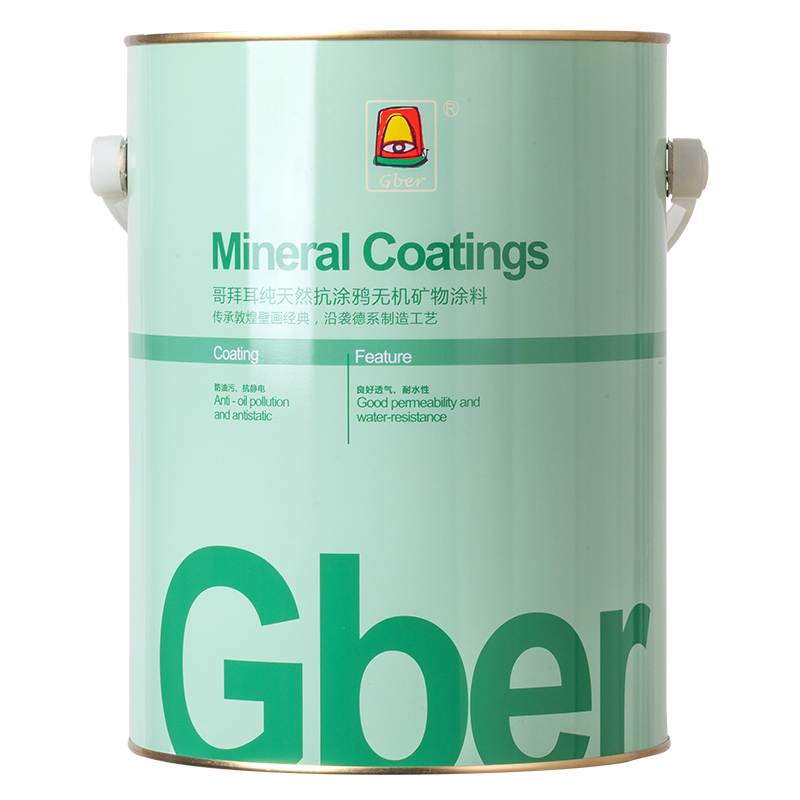
Anti-graffiti paint
-
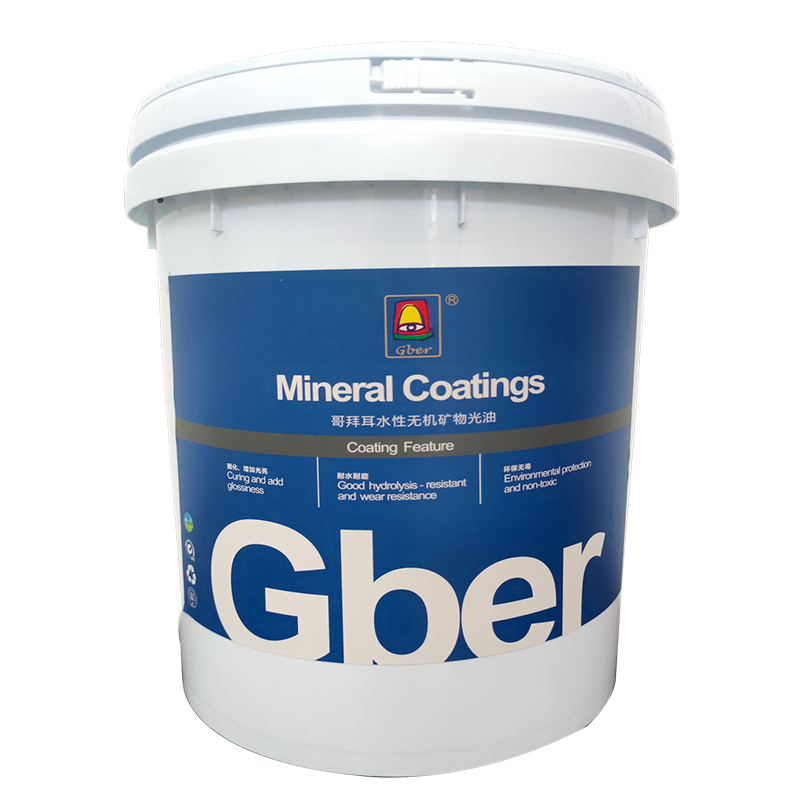
Radon-proof paint
-
Bridge-specific coating

-
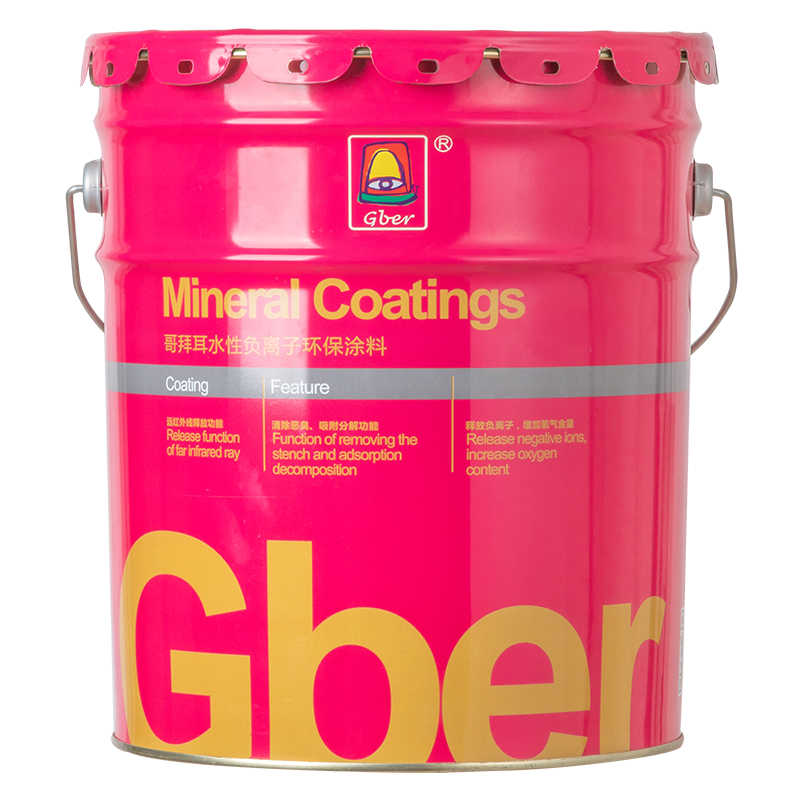
Environmentally friendly negative ion paint
-
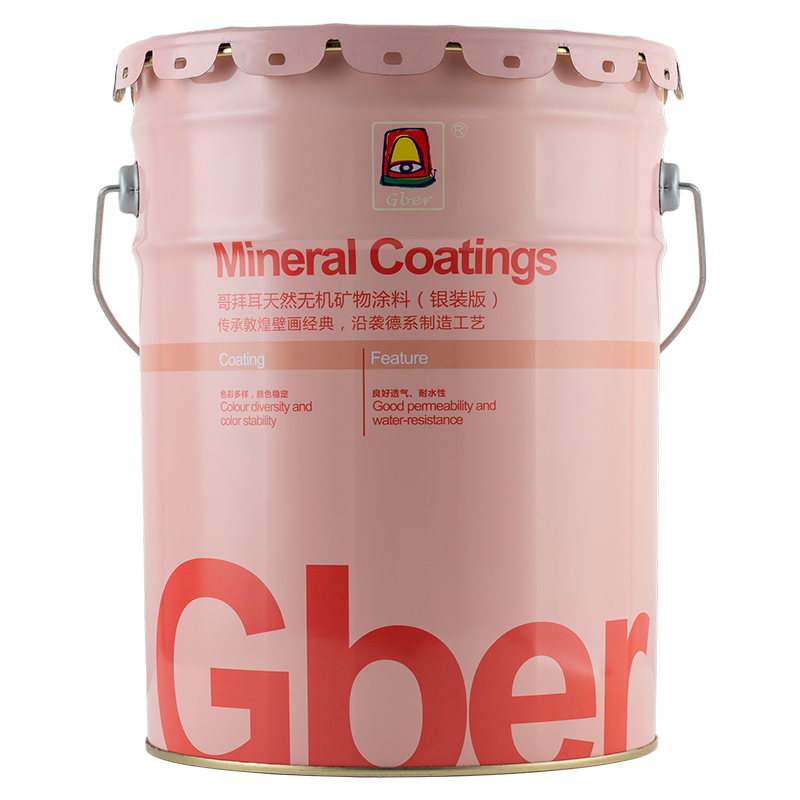
Antibacterial coating
-
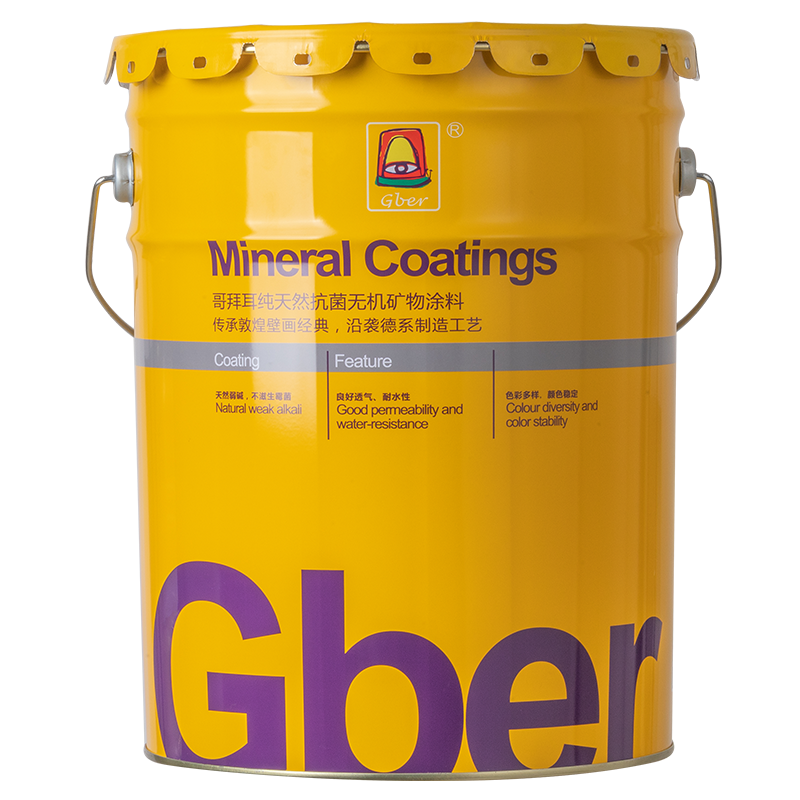
Heat insulation, anticorrosion and antibacterial coating
-
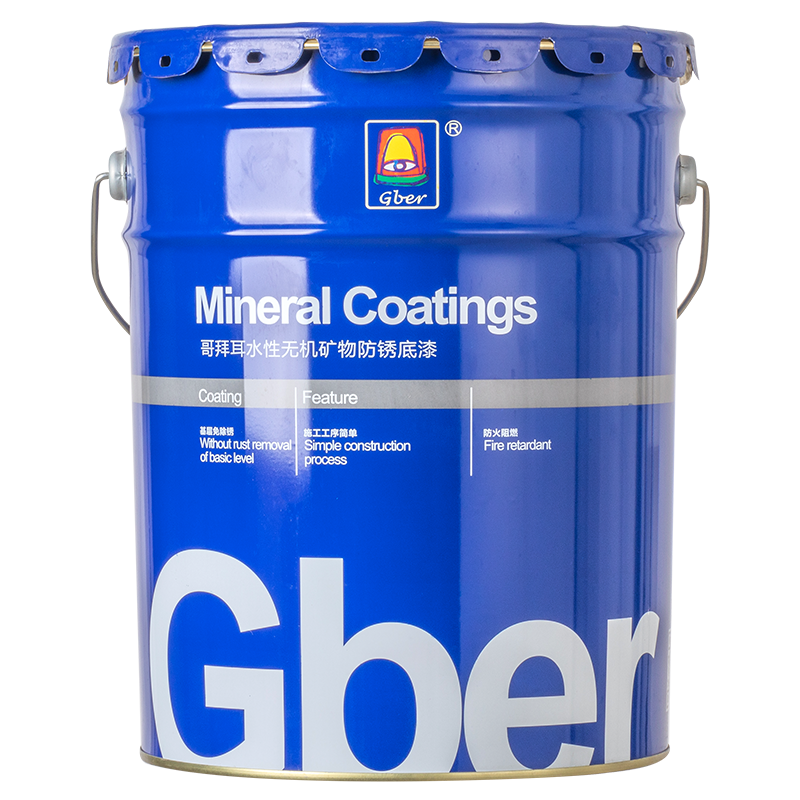
Inorganic water-based industrial anti-rust coating
-
Inorganic zinc silicate one-component coating

-
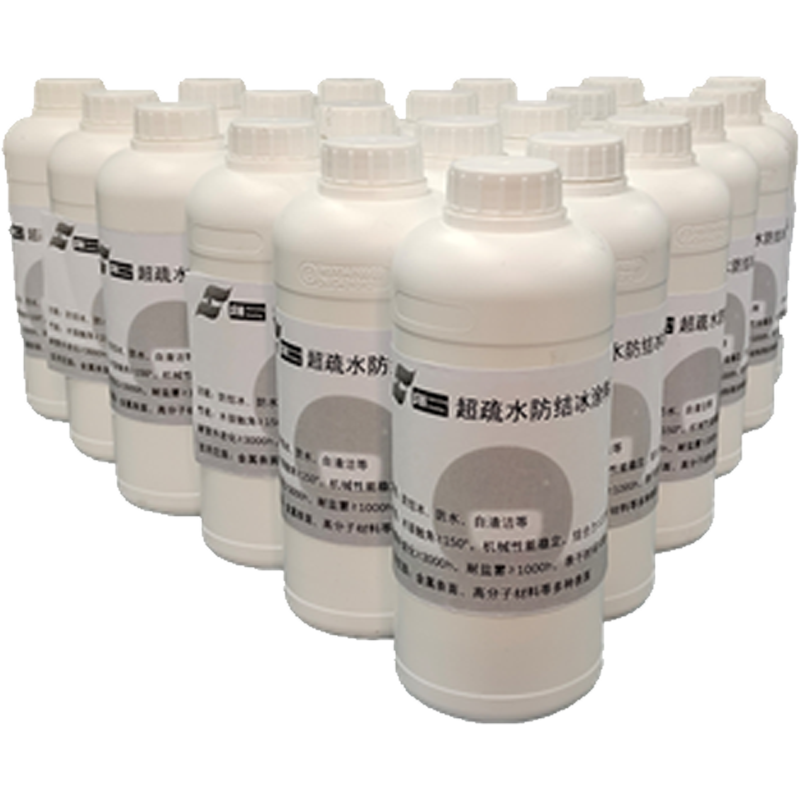
Superhydrophobic anti-icing coating
-
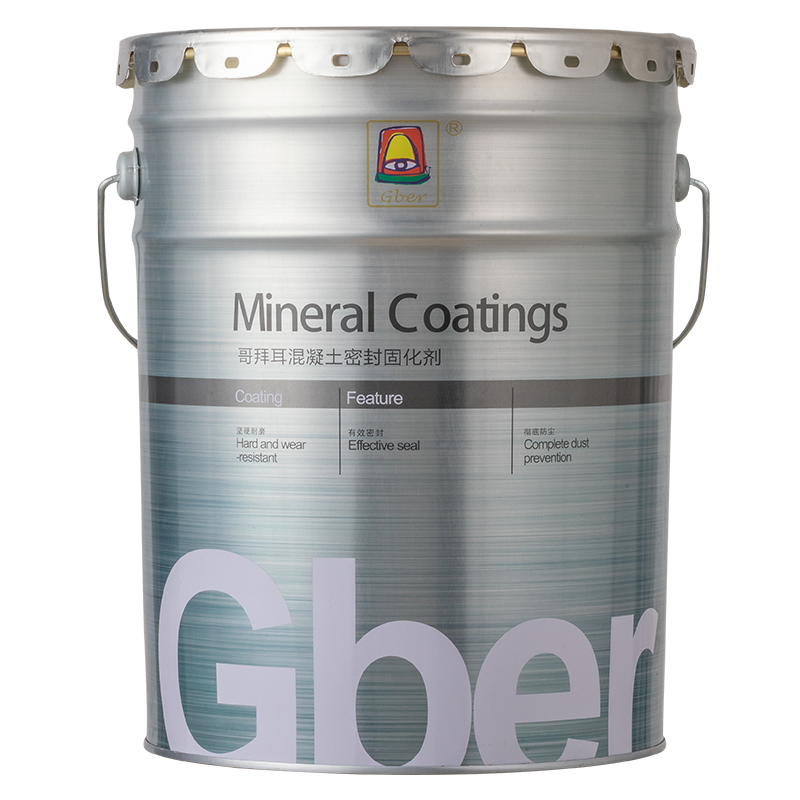
Concrete sealing and hardening agent
-
- Cases
-
Blog
Blog
——
- Contact




The most fundamental difference between inorganic coatings and traditional latex paints lies in the raw materials
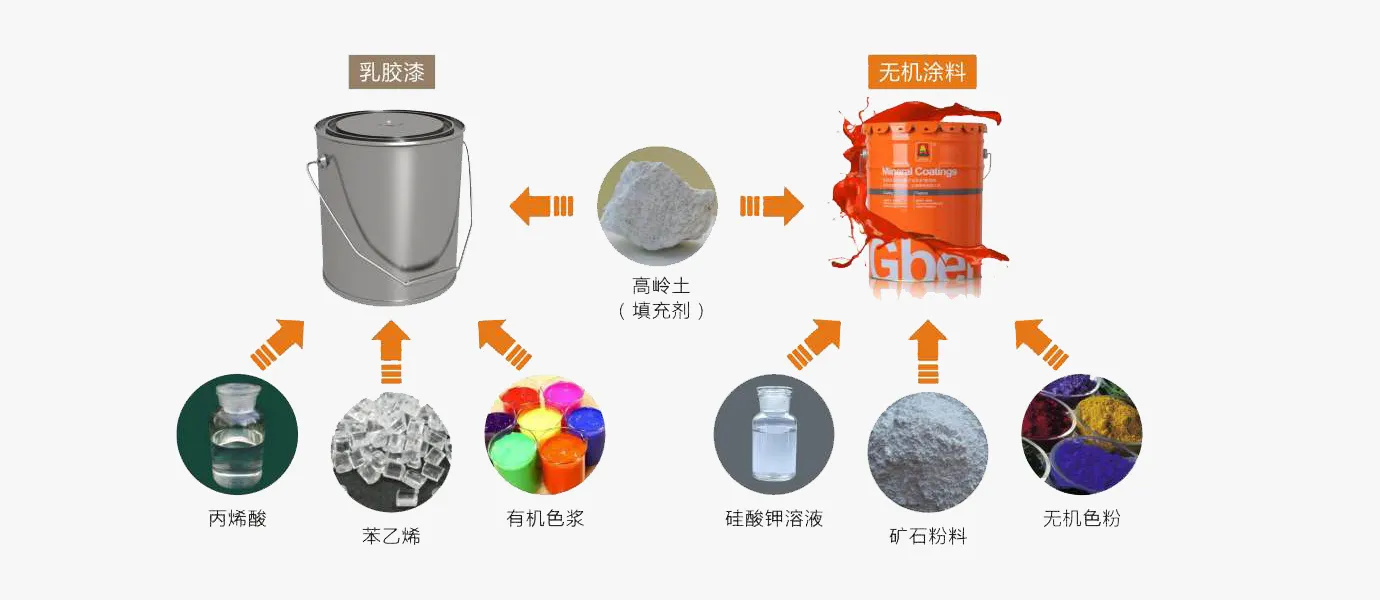
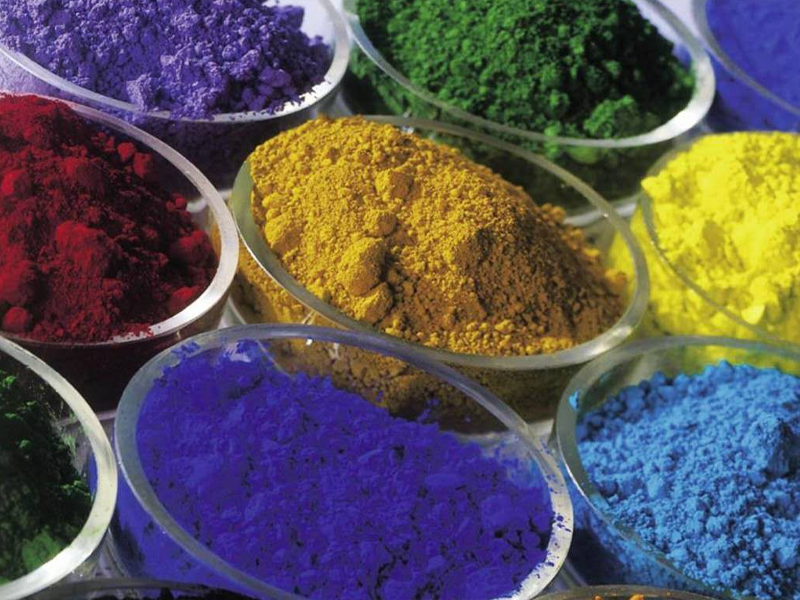
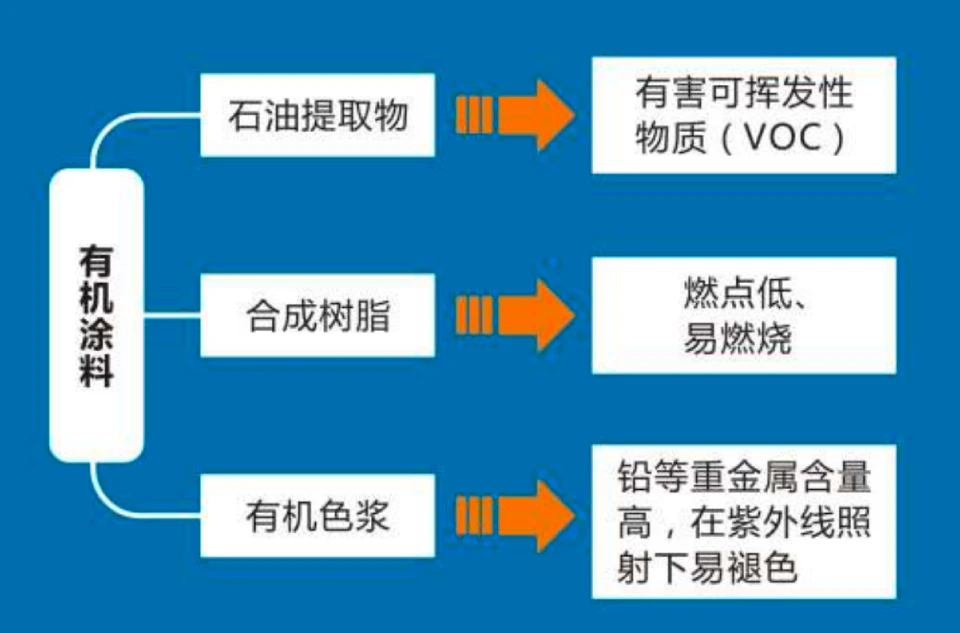
It can be seen that latex paints use petroleum extracts such as acrylic acid or vinyl acetate as emulsions and various organic pastes as pigments; while inorganic coatings mostly use inorganic minerals as raw materials. This is the most fundamental difference between the two. The differences in raw materials have also led to the following differences in performance:
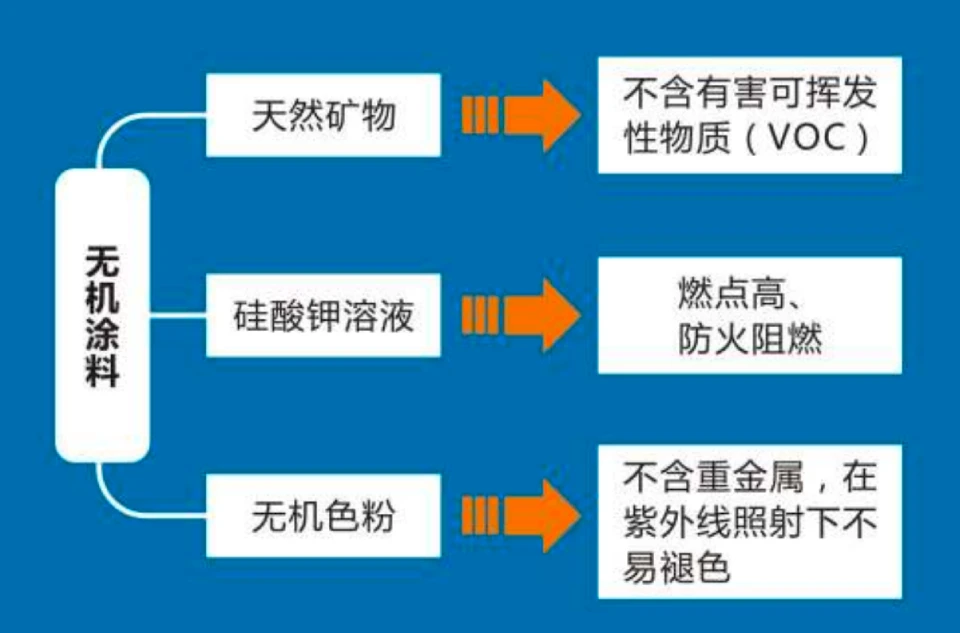
Water-based inorganic coatings are water-based building and decorative coatings mainly made of pure natural inorganic mineral raw materials. Their main component is potassium silicate modified by oxidation, and the product structure is a network-like multi-spherical molecular composite. The inorganic components in the coating and the inorganic substances in the substrate undergo a chemical reaction to generate new inorganic substances, which are integrated with the substrate and are not easily detached. The modified potassium silicate is compatible with various inorganic pigments, maintaining the original color while playing a solidifying role, making the coating less prone to fading. Based on the above principles, water-based inorganic coatings have the characteristics of natural environmental protection, fire prevention and flame retardancy, aging resistance, and super weather resistance.
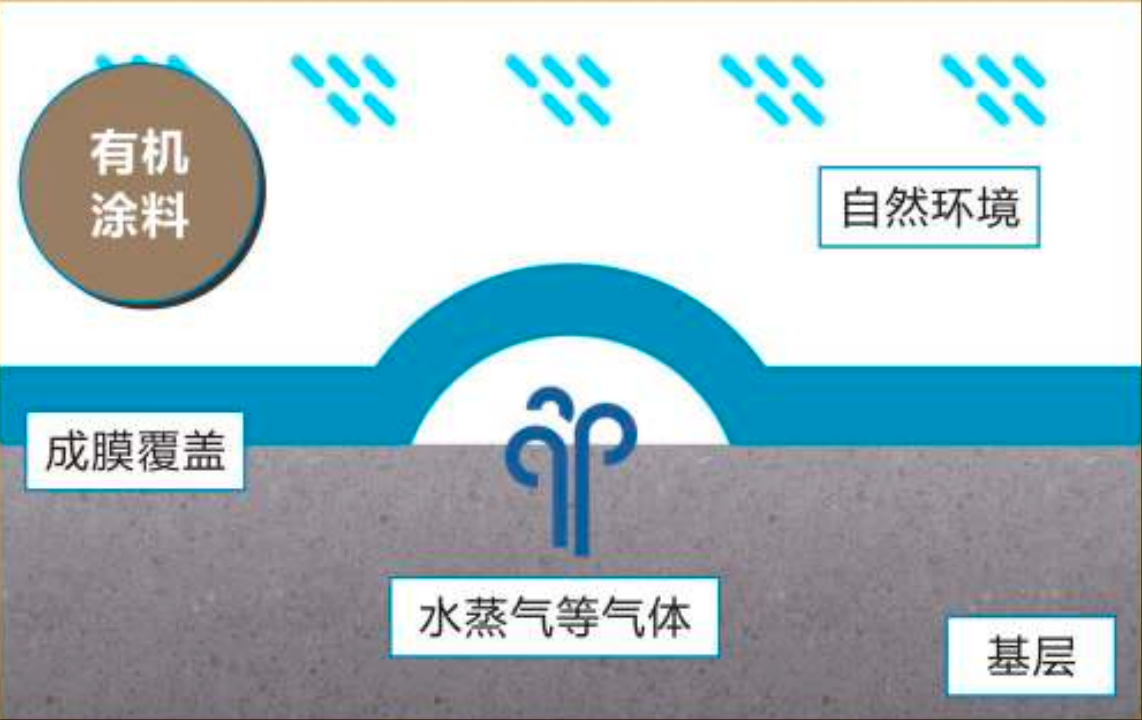
Forms an organic coating film covering the surface of the substrate. When the substrate gas is discharged, it is easy to form blisters, and when subjected to rain erosion and thermal expansion and contraction, it is easy to crack and peel off.
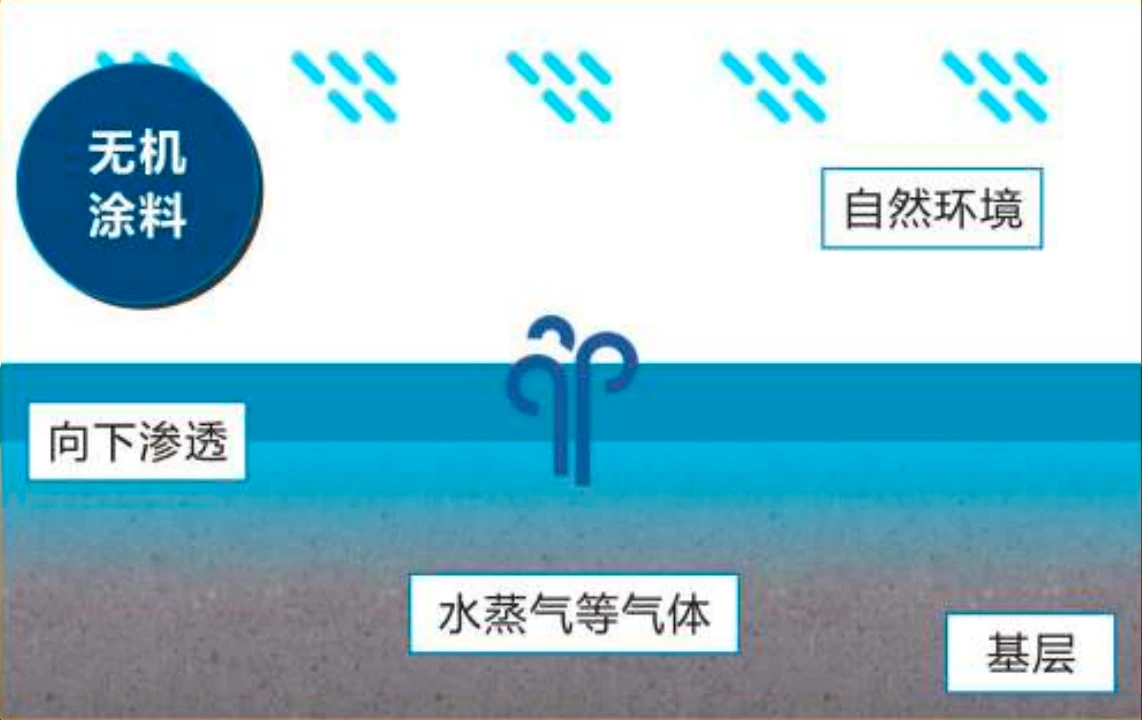
No film formation, penetrating and arranging in a dense molecular pattern inside and outside the substrate (penetrating into the substrate and undergoing a petrification reaction with the substrate to form a silicified stone surface layer), breathable and water-resistant, super weather-resistant.
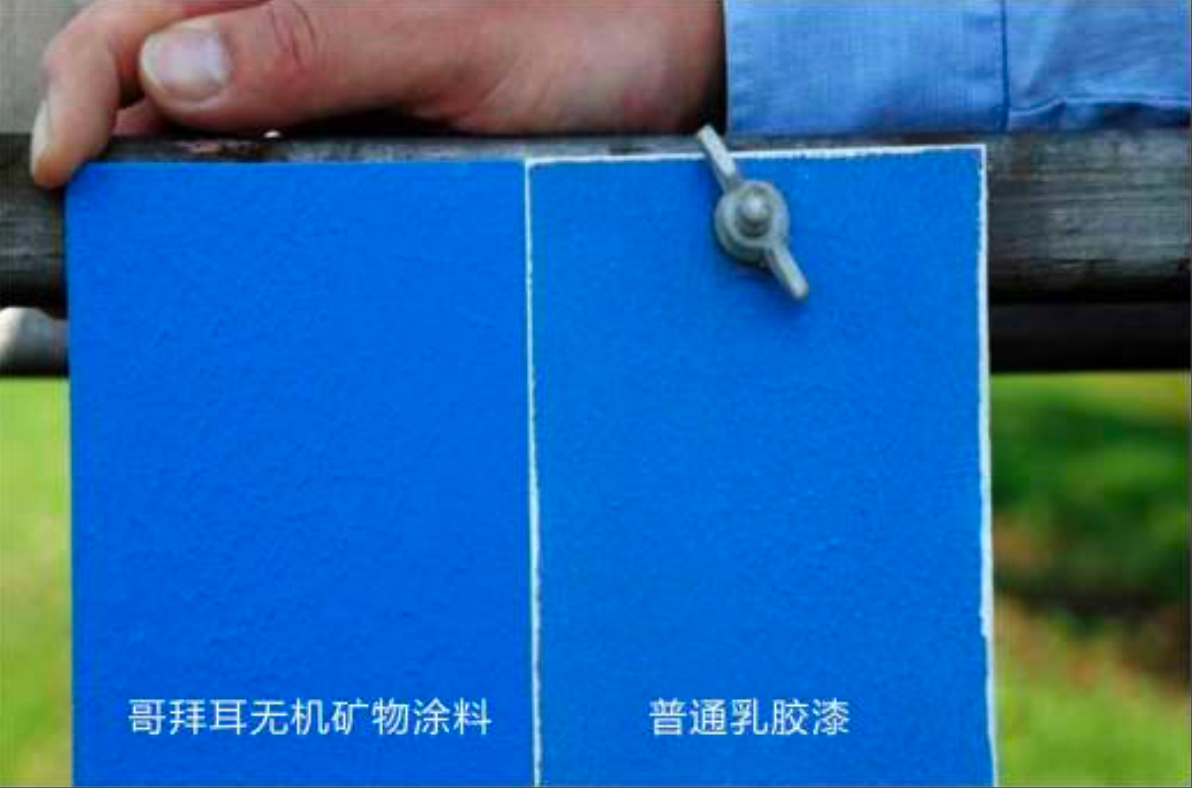
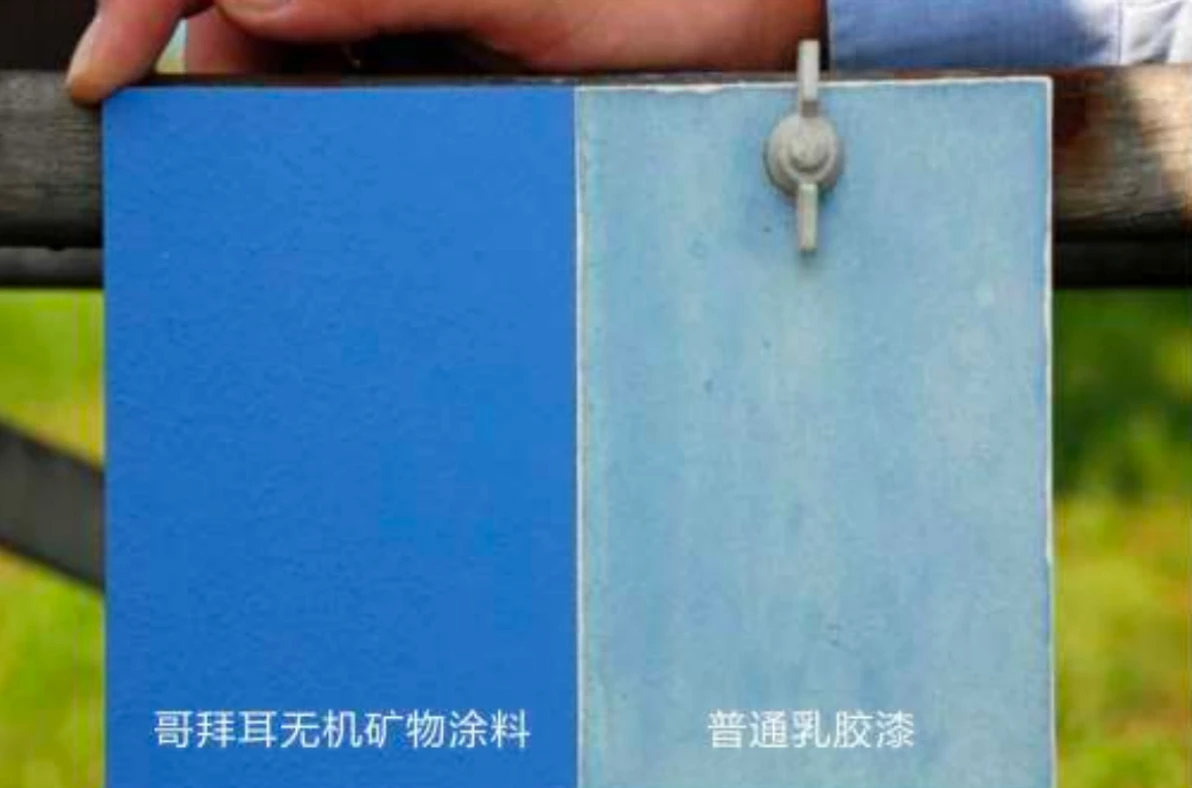
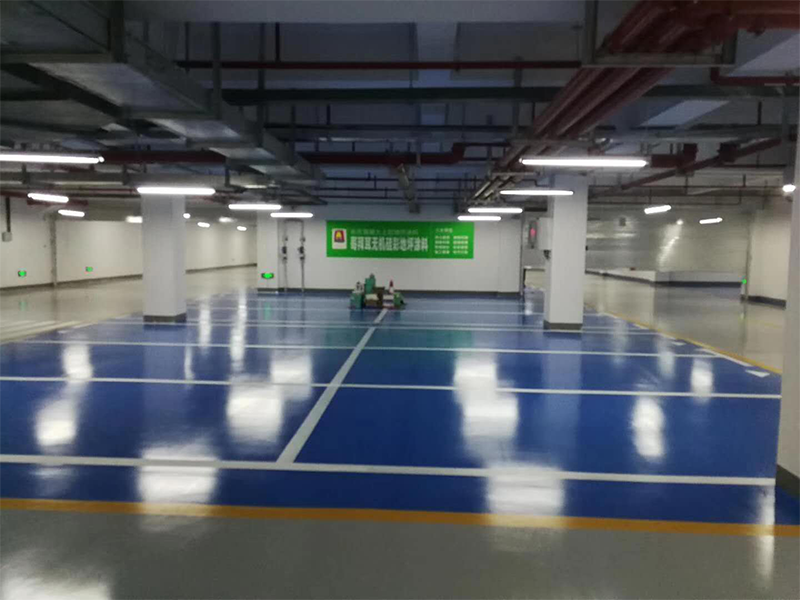
Taking Cber water-based inorganic mineral coatings as an example, a comparison with traditional latex paints over a long period of time in natural environments
Let us help you
Company Address: No. 1-2-802, Federal Fortune Center, No. 18, Wuke East Fourth Road, Chengdu, Sichuan Province
Factory Address: No. 20, A Area, No. 555, Boshi Road, Shou'an Town, Pujiang County, Chengdu, Sichuan Province
Copyright © 2025 Gber Coatings Co., Ltd. All Rights Reserved. Power By:300.cn · [ Privacy Policy ]


