- Home
- About
-
Products
Products
——
-
Interior/Exterior Wall Coatings
-
Floor paint
-
Anti-graffiti paint
-
Radon-proof paint
-
Bridge-specific coating

-
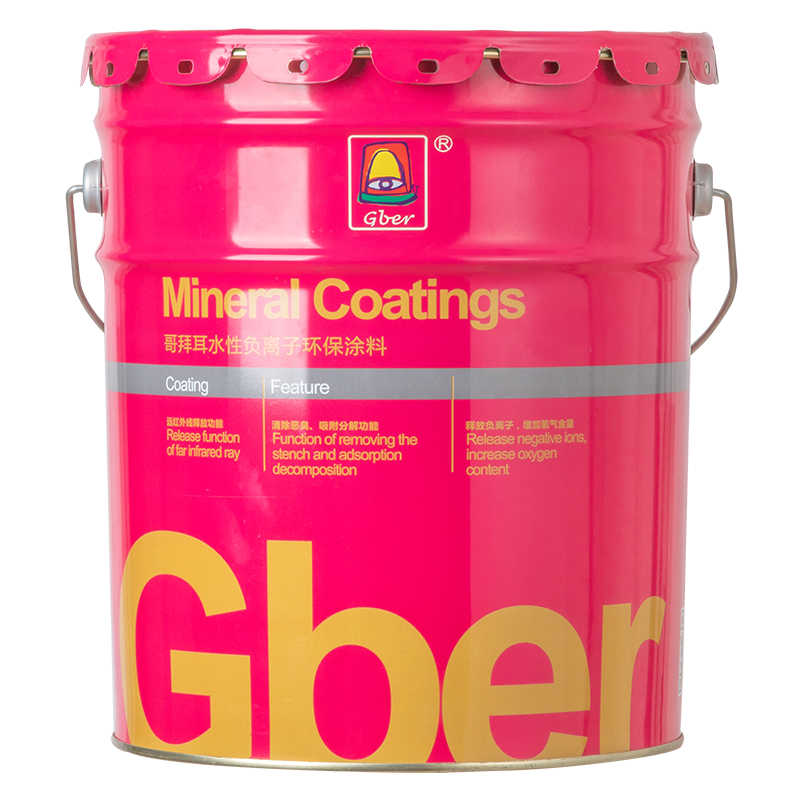
Environmentally friendly negative ion paint
-
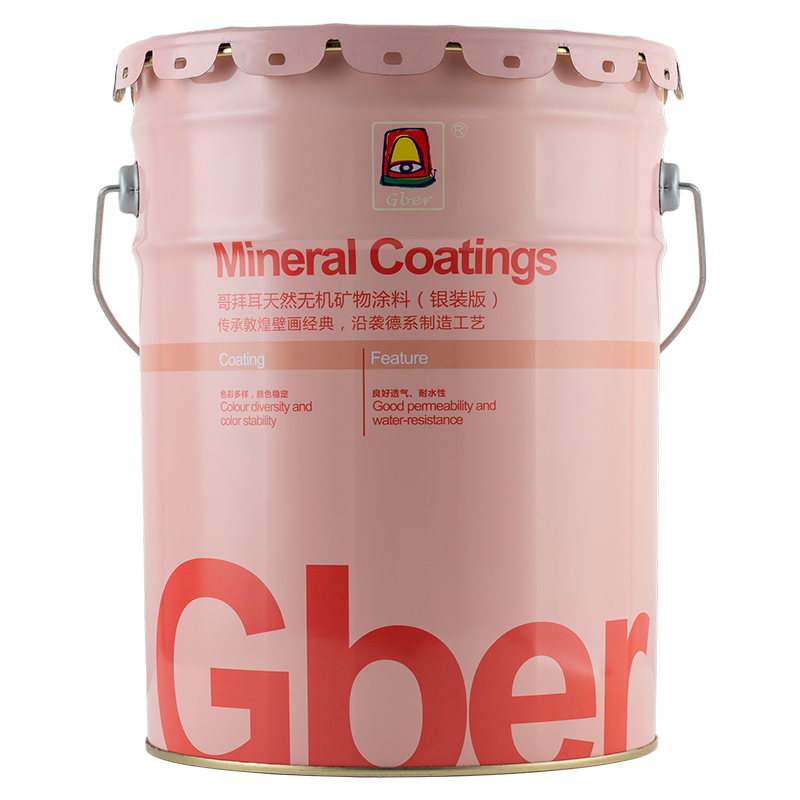
Antibacterial coating
-
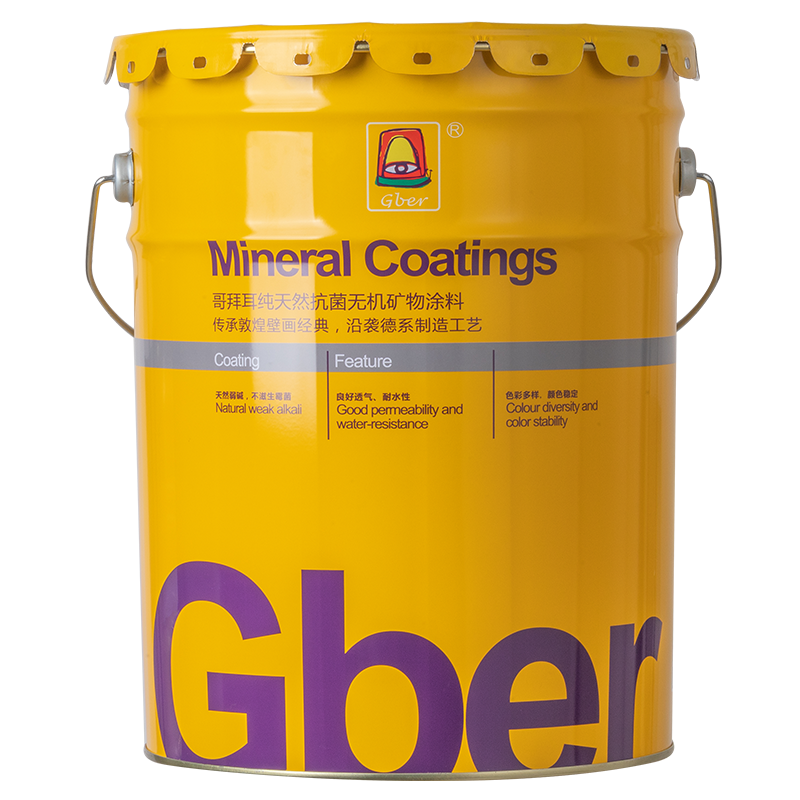
Heat insulation, anticorrosion and antibacterial coating
-
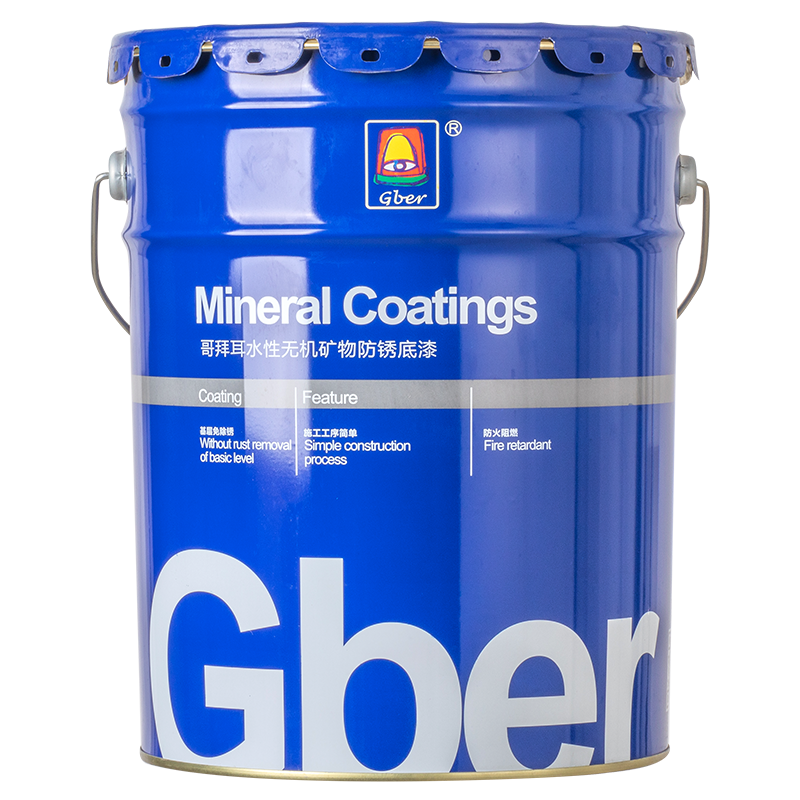
Inorganic water-based industrial anti-rust coating
-
Inorganic zinc silicate one-component coating

-
Superhydrophobic anti-icing coating
-
Concrete sealing and hardening agent
-
- Cases
-
Blog
Blog
——
- Contact




Characteristics of inorganic coatings
Category: Company News
Published Time: 2025-05-15
Summary:
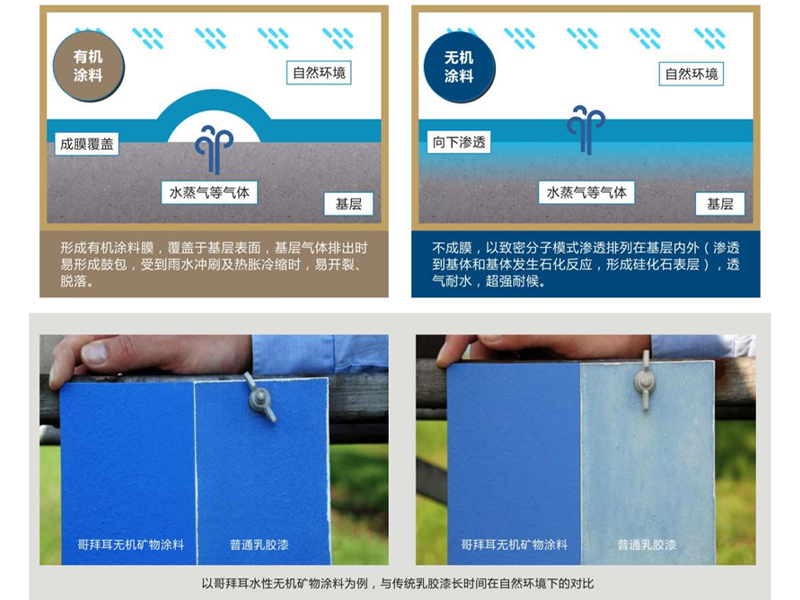
Water-based inorganic coatings are water-based building and decorative coatings primarily made from pure natural inorganic mineral raw materials. Their main component is potassium silicate modified by oxidation, and the product structure is a network of multi-spherical molecular composites. The inorganic components in the coating undergo a chemical reaction with the inorganic substances in the substrate to generate new inorganic substances, integrating with the substrate and preventing flaking. The modified potassium silicate is compatible with various inorganic pigments, maintaining the original color while providing a solidifying effect, preventing the coating from fading. Based on these principles, water-based inorganic coatings are naturally environmentally friendly, fire-retardant, weather-resistant, and have superior weather resistance.
I. Environmental Protection: Naturally Burden-Free
1. Natural Raw Materials
The main components are derived from minerals such as quartz, feldspar, and mica. The production process does not require petrochemical raw materials, reducing reliance on fossil resources.
2. Low VOC Emissions
No or only a small amount of organic auxiliaries are added. There is no pungent odor during construction, and the content of harmful substances such as formaldehyde and benzene is far below national standards, meeting stringent environmental protection requirements such as French A+, German Blue Angel, and China's Ten-Ring certifications.
3. Natural Antibacterial Properties
The mineral components themselves have the ability to inhibit the growth of bacteria and fungi (e.g., the alkaline environment of silicates can inhibit microbial reproduction). Some products do not require the addition of chemical bactericides.
II. Physical Properties: Strong and Durable
1. Superior Adhesion
It chemically bonds with mineral substrates such as cement, brick, and gypsum (e.g., potassium silicate reacts with calcium hydroxide in the substrate to form calcium silicate crystals), penetrating into the micropores of the substrate to form a "stone-like layer." Its adhesion far exceeds that of organic coatings, and it is not prone to hollowing or flaking during long-term use.
Application Scenarios: Suitable for new and old walls (especially alkaline substrates, such as newly built cement walls), without complex pretreatment.
2. Excellent Weather Resistance
Anti-aging: The mineral coating is resistant to ultraviolet light and acid-base corrosion. It does not discolor or powder after prolonged exposure to sunlight, and its outdoor lifespan can reach 20-30 years (traditional latex paint is only 5-10 years).
High-temperature resistance: Some products can withstand temperatures above 1000℃. They do not burn or release toxic gases when exposed to fire, meeting Class A fire safety standards and are suitable for kitchens, boiler rooms, etc.
3. Breathable Permeability
A porous structure is formed inside the coating, allowing water vapor inside the wall to diffuse outwards ("breathability"), preventing blistering and mildew caused by water vapor accumulation, while maintaining indoor humidity balance.
Application Scenarios: High-humidity environments (such as bathrooms and basements) or places where microclimate regulation is required (such as museums and archives).
III. Functionality: Adaptable to Multiple Scenarios
1. Fire-retardant
Inorganic materials themselves are non-combustible. When exposed to fire, they only undergo physical carbonization without producing smoke or toxic gases, meeting fire safety regulations and are widely used in public buildings such as schools, hospitals, and shopping malls.
2. Anti-static and Electromagnetic Shielding
The mineral coating has a certain conductivity, which can reduce static electricity adsorption of dust and has a certain shielding effect on electromagnetic radiation, suitable for special spaces such as laboratories and computer rooms.
3. Color Stability
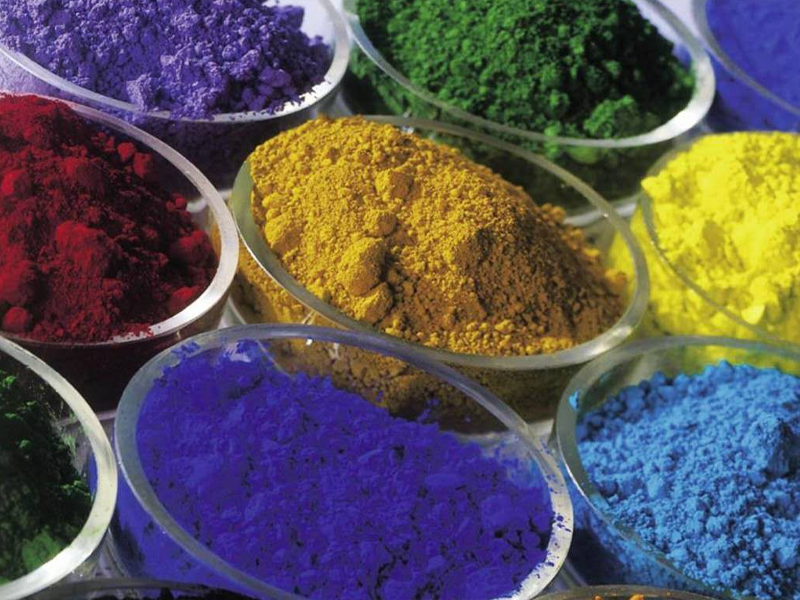
Inorganic pigments (such as iron oxide and chromium oxide) are used. Although the color saturation is lower than that of organic coatings, the light resistance is extremely strong, and it does not fade easily after long-term exposure to sunlight, suitable for exterior walls or scenarios where long-term color retention is required (such as the restoration of ancient buildings).
IV. Construction and Maintenance: Convenient and Low-cost
1. Strong Substrate Adaptability
It can be directly used on alkaline walls with a pH value ≤13 (traditional latex paint requires an alkali-resistant primer). New walls do not require long-term curing, saving construction time and cost.
Good compatibility with old coatings. It can directly cover old walls such as cement and lime mortar without complete removal.
2. Low Maintenance Cost
Damaged coatings can be repaired locally, and the repaired color is basically consistent with the original wall (color difference is easy to occur when repairing organic coatings). Surface stains can be wiped with water or a soft cloth, without frequent recoating.
V. Limitations and Application Suggestions
1. Limited Color Richness
The color spectrum of inorganic pigments is relatively narrow, and the brightness and gloss are lower than those of organic coatings. It is more suitable for elegant and natural styles (such as Wabi-sabi and industrial styles).
2. High Construction Temperature Requirements
Construction is required above 5℃. The film-forming speed is slow in low-temperature environments. Northern winter construction conditions should be noted.
3. Higher Price
The raw material and process costs are higher than those of traditional latex paint. It is suitable for projects with sufficient budget and emphasis on long-term performance (such as high-end residential buildings and public buildings).
Keywords: Characteristics of inorganic coatings
Related Information
Company News
-
Construction process of radon-proof coating
Time:2025-05-15
-
Reaction principle of inorganic coatings
Time:2025-05-15
-
How to determine if inorganic coatings need to be re-maintained
Time:2025-05-15
-
How to properly use and maintain inorganic coatings to maximize their scrubbability?
Time:2025-05-15
-
Characteristics of inorganic coatings
Time:2025-05-15
-
CCTV's "Science and Technology Lights" program featured a special report on the bidder's water-based inorganic mineral coating products
Time:2025-05-15
-
Attended the drafting meeting for the industry standard of building products in the construction industry: Exterior Inorganic Architectural Coatings
Time:2025-05-15
-
Made a provincial standard report on inorganic interior wall coatings at the Guangdong Provincial Technical Supervision Bureau
Time:2025-05-15
Industry News
-
How is the breathability of inorganic coatings?
Time:2025-05-15
-
What are the advantages and disadvantages of traditional latex paint and inorganic coatings?
Time:2025-05-15
-
Will the scrub resistance of inorganic coatings decrease over time?
Time:2025-05-15
-
Inorganic coatings generally exhibit better scrub resistance than traditional latex paints
Time:2025-05-15
-
Typical application scenarios of inorganic coatings
Time:2025-05-15
Let us help you
Company Address: No. 1-2-802, Federal Fortune Center, No. 18, Wuke East Fourth Road, Chengdu, Sichuan Province
Factory Address: No. 20, A Area, No. 555, Boshi Road, Shou'an Town, Pujiang County, Chengdu, Sichuan Province
Copyright © 2025 Gber Coatings Co., Ltd. All Rights Reserved. Power By:300.cn · [ Privacy Policy ]


