- Home
- About
-
Products
Products
——
-
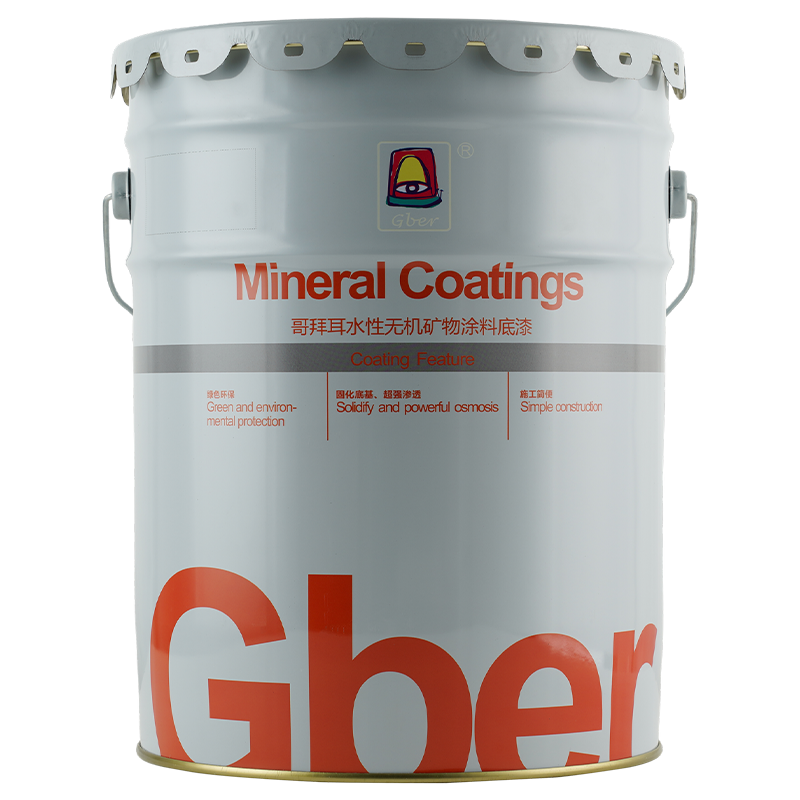
Interior/Exterior Wall Coatings
-
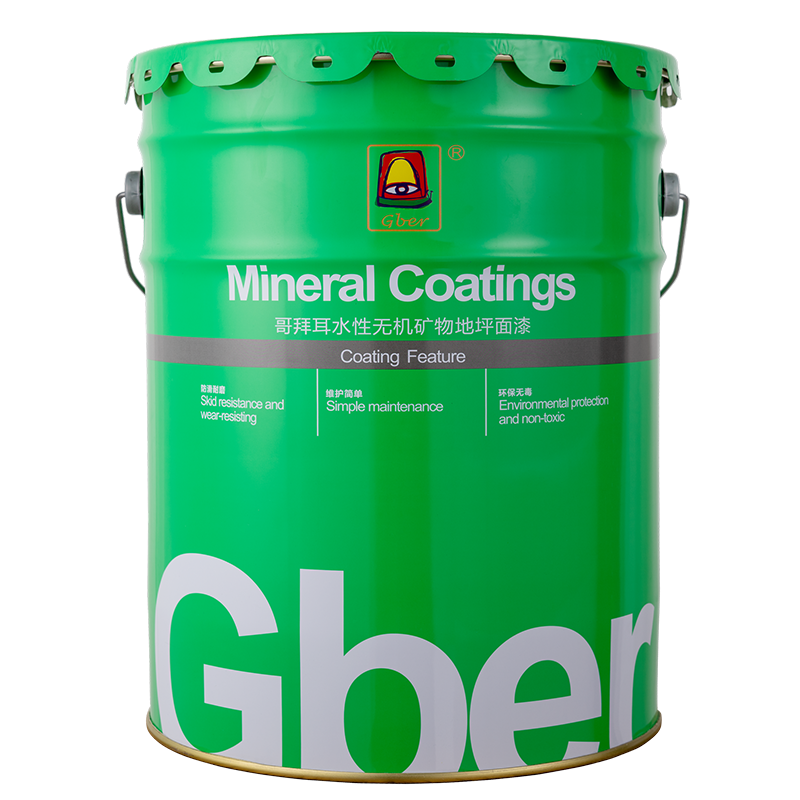
Floor paint
-
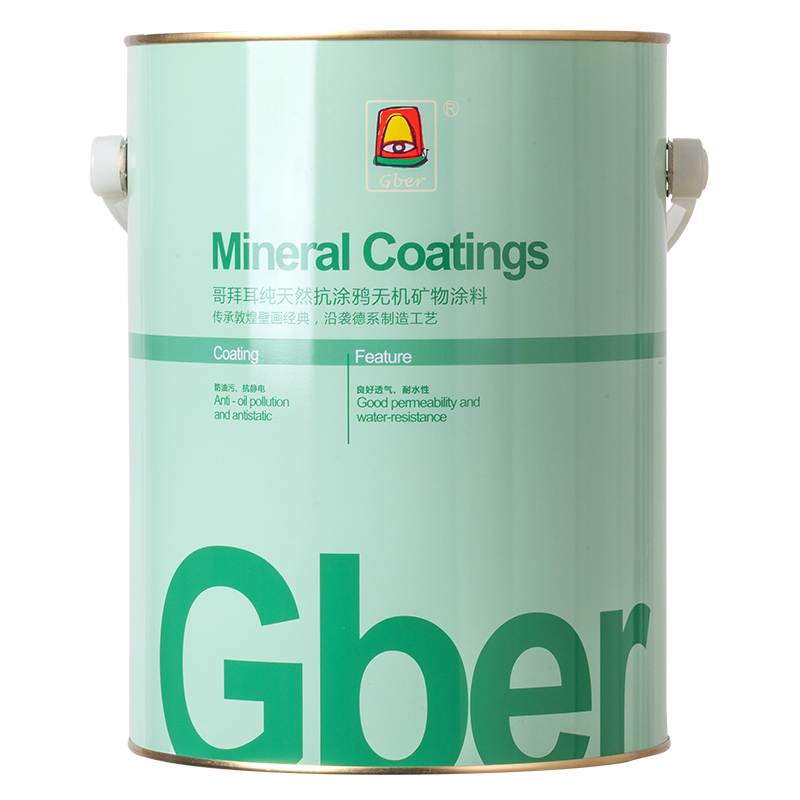
Anti-graffiti paint
-
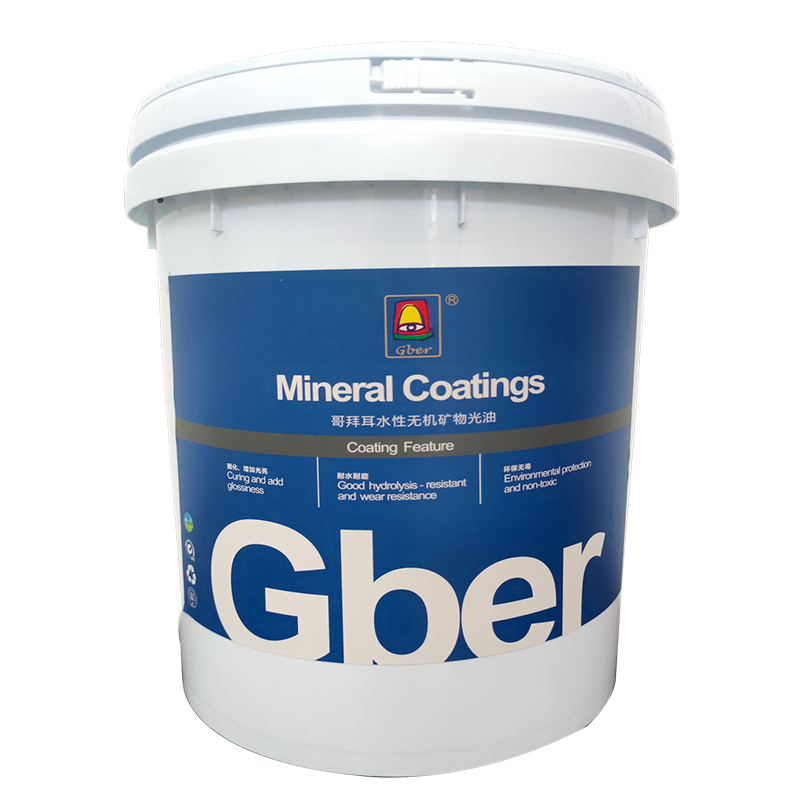
Radon-proof paint
-
Bridge-specific coating

-
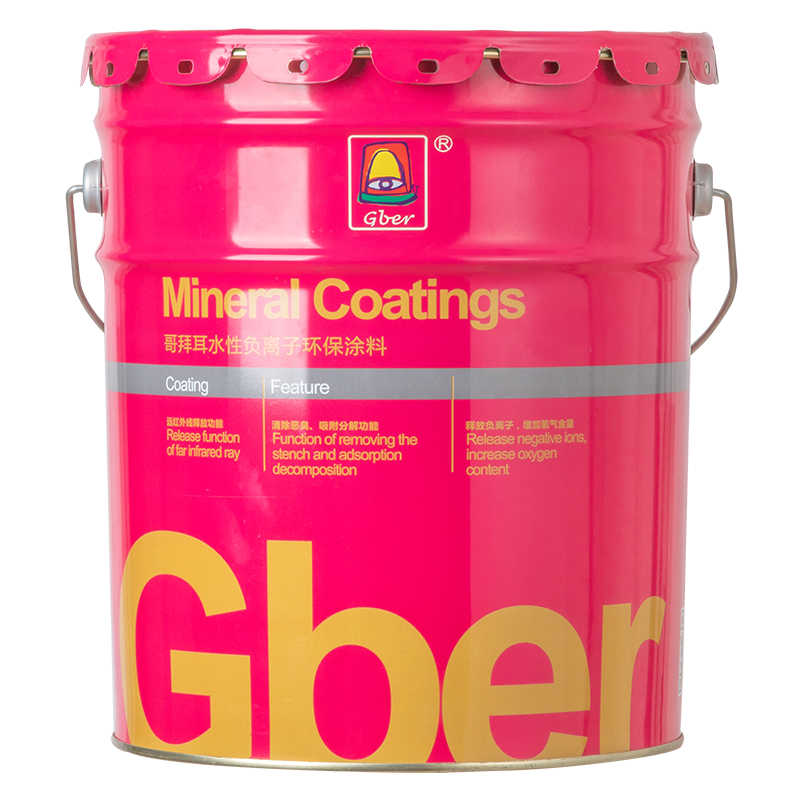
Environmentally friendly negative ion paint
-
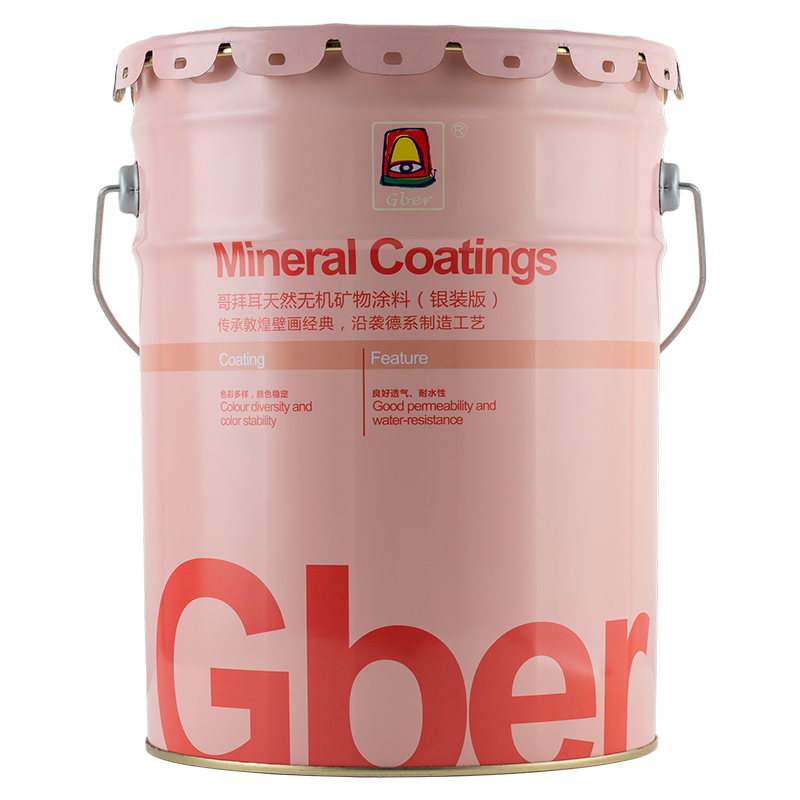
Antibacterial coating
-
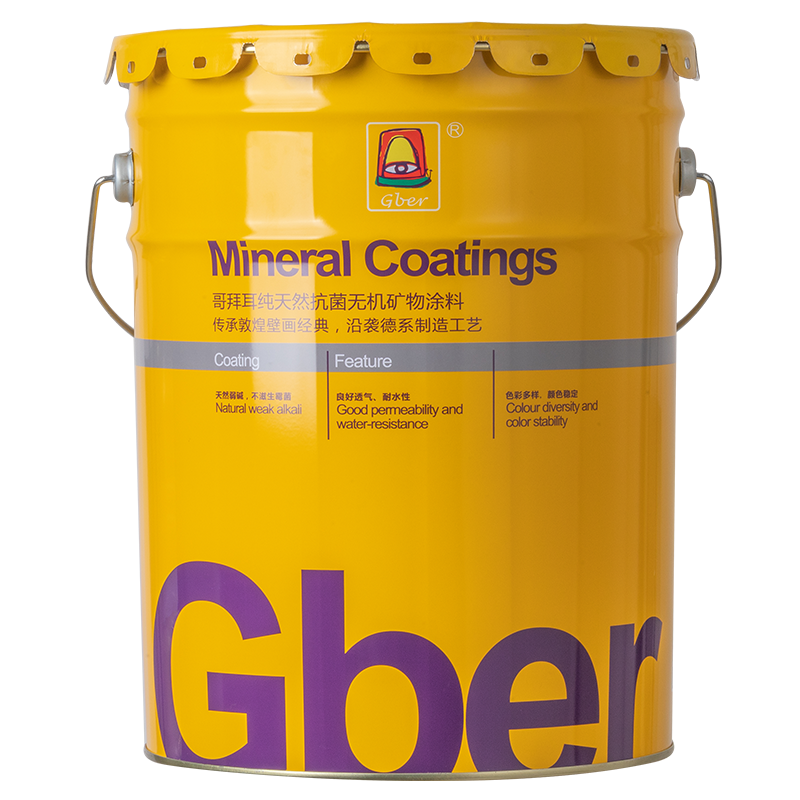
Heat insulation, anticorrosion and antibacterial coating
-
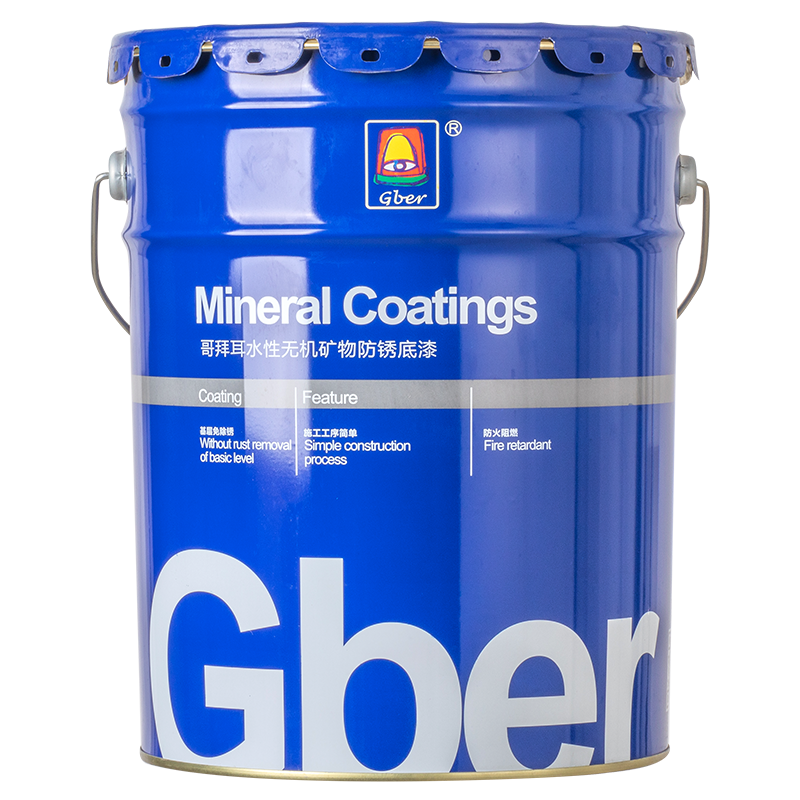
Inorganic water-based industrial anti-rust coating
-
Inorganic zinc silicate one-component coating

-
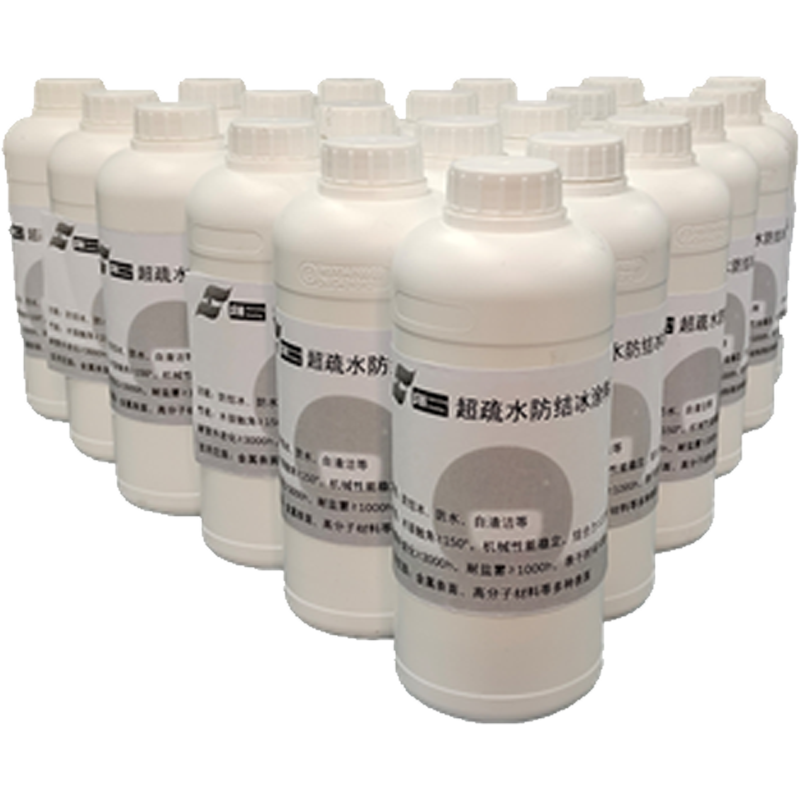
Superhydrophobic anti-icing coating
-
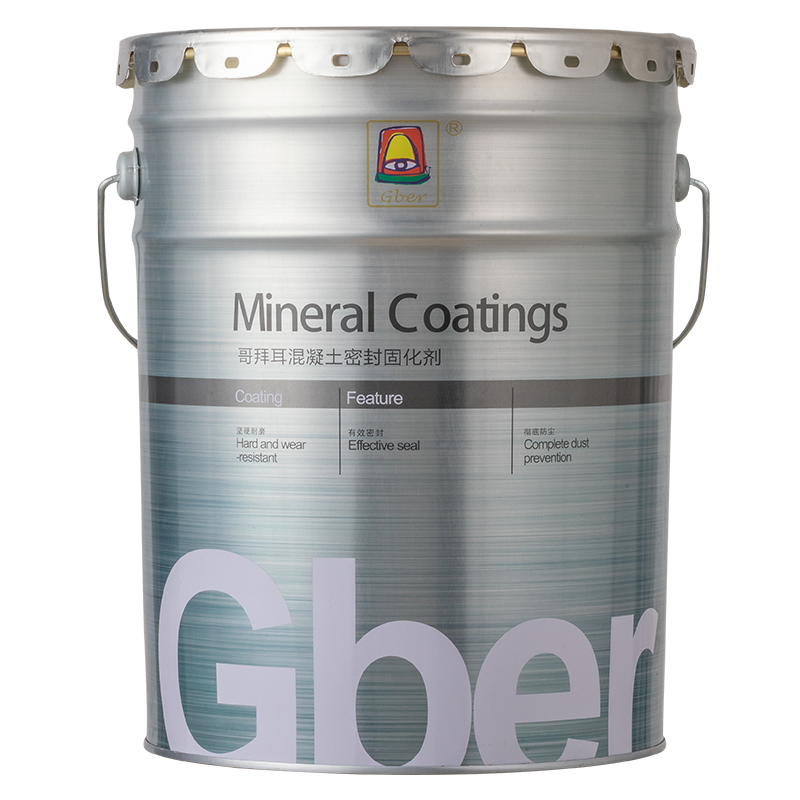
Concrete sealing and hardening agent
-
- Cases
-
Blog
Blog
——
- Contact





Inorganic coatings generally exhibit better scrub resistance than traditional latex paints
Category: Industry News
Published Time: 2025-05-15
Summary: Core advantage of washability
I. Core Advantages of Wash Resistance
1. Chemically bonded film formation, dense structure
Inorganic coatings form a coating through a chemical reaction between mineral binders (such as potassium silicate, silica sol) and the substrate (for example, potassium silicate reacts with calcium hydroxide in the wall to generate calcium silicate crystals). This "stone-like layer" integrates with the substrate, unlike latex paint which relies on the physical accumulation of emulsion particles to form a film.
Effect: The coating structure is dense and hard (Mohs hardness can reach 4-6, close to stone), not easily damaged by water or cleaning agents, and the number of scrubbings can usually reach more than 10,000 times (far exceeding the national standard for wall paint scrub resistance ≥5000 times).
2. Natural water resistance of mineral materials
The main components of inorganic coatings (such as silicates, silica sol) themselves have water-repellent groups or chemical stability, and water molecules are difficult to penetrate and destroy the internal structure of the coating.
Comparative experiment: Under the same conditions, the inorganic coating shows no powdering or peeling after repeated scrubbing, while some traditional latex paints may show whitening or damage of the film layer.
II. Comparison Data with Traditional Latex Paint
| Performance Indicators | Inorganic Coating | Traditional Latex Paint (Ordinary Type) | High-end Latex Paint (Scrub-resistant Type) |
|---|---|---|---|
| Standard Number of Scrubbing Times | ≥10000 times (some reach 50,000 times) | 3000-5000 times | 8000-10000 times |
| Performance after Scrubbing | No surface changes, color retention >95% | May show slight whitening, loss of gloss | Slight wear, color retention about 85% |
| Long-term Water Resistance | No bubbling or peeling after 72 hours of immersion | Possible edge lifting after 48 hours of immersion | Slight softening of edges after 72 hours of immersion |
III. Key Factors Affecting Wash Resistance
1. Raw material formula and process
The higher the potassium silicate/silica sol content, the greater the crosslinking density of the coating, and the stronger the scrub resistance.
Poor-quality inorganic coatings, if mixed with too many organic auxiliaries or fillers, may reduce performance. It is necessary to pay attention to product test reports (such as GB/T 21090-2007 "Inorganic Wall Coatings" standard).
2. Substrate treatment and construction quality
Loose substrates (such as sand walls) or uneven coating thickness during construction may lead to a decrease in local scrub resistance.
Correct construction process: substrate cleaning → scraping inorganic putty → rolling or spraying inorganic coating (usually 2 coats), ensuring that the coating is uniform and dense.
3. Usage environment and cleaning agents
Daily cleaning: Use clean water or neutral cleaning agents (pH=7-9) to wipe, avoid using strong acids and alkalis (such as 84 disinfectant, toilet cleaner).
Extreme scenarios: In industrial environments where chemical solvents (such as alcohol, oil stains) are frequently contacted, it is recommended to choose enhanced inorganic coatings (such as products modified with fluorosilicone resin).
IV. Performance in Typical Application Scenarios
1. Public building walls
In high-frequency contact areas such as school and hospital corridors, the coating remains intact after long-term scrubbing, reducing maintenance costs.
2. Kitchens and bathrooms
In oil fume and water vapor environments, the advantages of inorganic coatings in terms of stain resistance and water resistance are significant, and stains (such as oil stains) can be easily wiped off without damaging the coating.
3. Exterior walls in long-term exposure scenarios
Under natural factors such as acid rain and ultraviolet rays, inorganic coatings are not easily pulverized, and the rate of scrub resistance degradation is more than 50% slower than latex paint (data from the Coatings Industry Association test).
V. Purchasing Suggestions: How to Judge Wash Resistance
1. Check the test report
Request the manufacturer to provide a scrub resistance performance test report (according to GB/T 9266-2009 "Determination of scrub resistance of architectural coatings"), focusing on the "number of scrubbings" and "coating condition after scrubbing".
2. Sample test
Apply the sample to a small piece of substrate (such as cement board), and after drying, repeatedly scrub it 500 times with a soft brush dipped in a cleaning agent (such as dishwashing liquid water) to observe whether powdering or bottom exposure occurs.
3. Prioritize potassium silicate systems
Potassium silicate inorganic coatings have better chemical resistance and hardness than phosphate systems, suitable for high-humidity or high-contact scenarios.
Summary
The scrub resistance of inorganic coatings benefits from their "mineral chemical bonding" film-forming mechanism, and their performance far exceeds that of traditional latex paints, especially suitable for high-frequency cleaning, high-humidity, or high-wear environments. For projects that emphasize long-term use effects (such as public buildings, home kitchens and bathrooms), inorganic coatings are a more reliable choice, but attention should be paid to choosing reputable brands and correct construction to fully utilize their performance advantages.
Keywords: Inorganic coatings generally exhibit better scrub resistance than traditional latex paints
Related Information
Company News
-
Construction process of radon-proof coating
Time:2025-05-15
-
Reaction principle of inorganic coatings
Time:2025-05-15
-
How to determine if inorganic coatings need to be re-maintained
Time:2025-05-15
-
How to properly use and maintain inorganic coatings to maximize their scrubbability?
Time:2025-05-15
-
Characteristics of inorganic coatings
Time:2025-05-15
-
CCTV's "Science and Technology Lights" program featured a special report on the bidder's water-based inorganic mineral coating products
Time:2025-05-15
-
Attended the drafting meeting for the industry standard of building products in the construction industry: Exterior Inorganic Architectural Coatings
Time:2025-05-15
-
Made a provincial standard report on inorganic interior wall coatings at the Guangdong Provincial Technical Supervision Bureau
Time:2025-05-15
Industry News
-
How is the breathability of inorganic coatings?
Time:2025-05-15
-
What are the advantages and disadvantages of traditional latex paint and inorganic coatings?
Time:2025-05-15
-
Will the scrub resistance of inorganic coatings decrease over time?
Time:2025-05-15
-
Inorganic coatings generally exhibit better scrub resistance than traditional latex paints
Time:2025-05-15
-
Typical application scenarios of inorganic coatings
Time:2025-05-15
Let us help you
Company Address: No. 1-2-802, Federal Fortune Center, No. 18, Wuke East Fourth Road, Chengdu, Sichuan Province
Factory Address: No. 20, A Area, No. 555, Boshi Road, Shou'an Town, Pujiang County, Chengdu, Sichuan Province
Copyright © 2025 Gber Coatings Co., Ltd. All Rights Reserved. Power By:300.cn · [ Privacy Policy ]


